
Disclosure: As an Amazon Associate, Bookish Wisdom earns from qualifying purchases. This doesn't change our picks or your price.
TL;DR: Eleven-year-old Harriet M. Welsch wants to be a writer, so she practices by spying on her neighbors and classmates in New York City and writing everything in her notebook, including honest, unkind opinions. When her classmates find the notebook and read what she wrote about them, Harriet is shunned and must learn about honesty, friendship and growing up.
Table of Contents
Harriet the Spy at a Glance
| Author | Louise Fitzhugh |
| First published | 1964 |
| Type | Children's novel |
| Best for | young readers who want a funny, honest classic about friendship and being yourself |
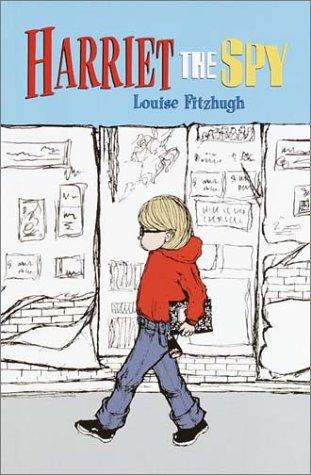
Harriet the Spy is a children's novel by Louise Fitzhugh, published in 1964. It became a classic and inspired a 1996 film and a 2021 animated series. Below you will find a part-by-part summary, five key takeaways, ideas worth remembering and a note on who will enjoy it.
Content note: Includes bullying and emotional distress.
Main Characters
- Harriet M. Welsch: An eleven-year-old aspiring writer.
- Ole Golly: Harriet's wise nanny.
- Sport: Harriet's friend, who cares for his father.
- Janie: Harriet's friend, who loves science.
- Marion Hawthorne: A classmate who leads the group against Harriet.
What Happens, Part by Part (Contains Spoilers)
The spy route
Harriet lives on the Upper East Side of Manhattan. Every day after school, she follows a “spy route,” watching people through windows and writing notes: a lonely rich woman, a grocer's family, a man who builds birdcages. Her nanny, Ole Golly, encourages her to see the world and to write the truth.
Ole Golly leaves
Ole Golly falls in love and leaves to get married. Harriet is heartbroken. She feels alone, because her busy parents do not pay much attention. She keeps writing in her notebook, but she misses Ole Golly's wisdom.
The notebook
At school, Harriet's classmates find her notebook and read it. She has written harsh things about everyone, including her friends Sport and Janie. Her classmates are hurt and angry. They form the “Spy Catcher Club” and refuse to talk to her. They play mean tricks on her.
Hard times
Harriet feels lonely and angry. She acts out at school and at home. Her parents take her to a psychiatrist. She stops writing for a while. She realizes she does not know how to fix things. She writes cruel notes for revenge, which only makes things worse.
Making amends
Ole Golly writes Harriet a letter, telling her that sometimes she must lie a little to be kind and apologize to her friends, but she should keep writing the truth for herself. Harriet becomes editor of the class newspaper and writes kind, funny stories. She apologizes to Sport and Janie, and they become friends again.
5 Key Takeaways
- Honesty and kindness must go together.
- Writing can help us understand the world.
- Friendship needs care and forgiveness.
- Growing up means learning from mistakes.
- Loneliness can make people act out.
Ideas Worth Remembering
These are paraphrased, not direct quotes:
- Observing people can teach empathy.
- Apologies can repair relationships.
- Being yourself is important, but so is respecting others.
Who Should Read Harriet the Spy?
Read Harriet the Spy if you are a young reader who enjoys funny, realistic stories about friendship. It suits ages 8 to 12.
About Louise Fitzhugh
Louise Fitzhugh (1928–1974) was an American writer and illustrator. Harriet the Spy was praised for its realistic portrayal of a complicated child. She wrote a sequel, The Long Secret, and the novel Nobody's Family Is Going to Change. Harriet the Spy has been named one of the best children's books of the 20th century.
Questions to Think About After Reading
These prompts work for solo reading, a book club or a classroom discussion of Harriet the Spy:
- Why does Harriet write unkind things?
- What advice does Ole Golly give?
- How does Harriet make things right?
How to Use This Summary
Use this page as a quick reference before a book club meeting, an exam, or a decision about whether Harriet the Spy is worth your time. The takeaways are written to stand on their own. If a point interests you, go back to the book for the author's full story, characters and style, which no short summary can replace.
A Note on Accuracy and Spoilers
This summary is based on the published text of Harriet the Spy, not on any film, series or stage adaptation, which often change the story. Details are kept at the level of the main events so that nothing is invented. Editions differ slightly in length and wording, so page numbers and small details may vary between copies.
Should You Read the Book?
Yes. It is a classic for a reason: honest, funny and thoughtful.
Check price of Harriet the Spy on Amazon
What to Read Next
- The Long Secret by Louise Fitzhugh: a sequel featuring Harriet's friend Beth Ellen
- From the Mixed-Up Files of Mrs. Basil E. Frankweiler by E.L. Konigsburg: a clever New York adventure
- Ramona the Pest by Beverly Cleary: a lively, imperfect heroine
Frequently Asked Questions
What is Harriet the Spy about?
A girl who spies and writes about people loses her friends when they read her notebook.
Who wrote it?
Louise Fitzhugh, in 1964.
Who is Ole Golly?
Harriet's wise nanny.
What is the spy route?
Harriet's daily path for observing people.
What happens when classmates read the notebook?
They shun her and form a club against her.
How does Harriet make amends?
By apologizing and writing kind stories.
Is there a film?
Yes, the 1996 film.
Is there a TV series?
Yes, a 2021 animated series.
What age is it for?
About 8 to 12.
How long is it?
About 300 pages.
Is there a sequel?
Yes, The Long Secret.
Is it funny?
Yes, and also honest.
Is Harriet a likable character?
She is flawed, which makes her feel real and relatable to many readers.
Is Harriet the Spy worth reading?
It depends on what you want. The book is best for young readers who want a funny, honest classic about friendship and being yourself. If that describes you, it is likely a good fit. If not, the titles under What to Read Next may suit you better.