
Disclosure: As an Amazon Associate, Bookish Wisdom earns from qualifying purchases. This doesn't change our picks or your price.
TL;DR: A man finds a manuscript about a documentary that may not exist, which describes a house that is bigger on the inside than the outside. As he reads, the man begins to unravel. The novel is famous for its strange layout, footnotes within footnotes and its blend of horror and academic parody.
Table of Contents
House of Leaves at a Glance
| Author | Mark Z. Danielewski |
| First published | 2000 |
| Type | Experimental horror novel |
| Best for | adventurous readers who like puzzles and unusual formats |
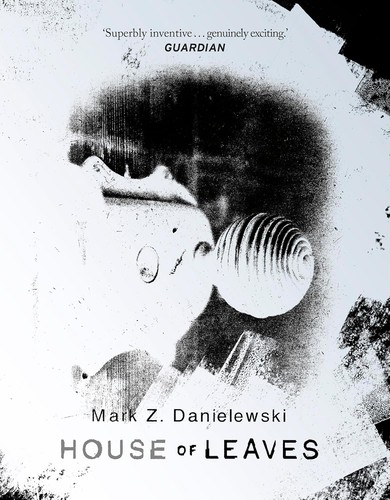
House of Leaves is a novel by Mark Z. Danielewski, first published in 2000. It is known for unusual typography, colored words and pages with only a few lines. Below you will find a part-by-part summary, five key takeaways, a few ideas worth remembering and a note on who will enjoy it most. The part-by-part section gives away the plot, including the ending, so skip it if you have not read the book yet.
Content note: Contains disturbing imagery, drug use, sexual content and psychological horror.
What Happens, Part by Part (Contains Spoilers)
Three layers of story
The book has three layers. Will Navidson films a documentary called The Navidson Record. Zampanò, a blind man, wrote a huge academic study of it. Johnny Truant, a tattoo-shop worker, finds Zampanò's papers after his death and adds his own footnotes.
The house
Navidson moves his family into a house on Ash Tree Lane and finds that the inside is slightly larger than the outside. Soon a hallway appears that was not there before, and it leads to a dark, shifting space of vast corridors and stairs.
The expeditions
Navidson, his brother Tom and a team of explorers go into the maze. The darkness is silent, the space changes shape, and a growling sound can be heard. The expeditions strain their sanity and relationships.
Zampanò's study
Zampanò writes in the voice of a scholar, citing experts, with invented references to real and fake critics. The commentary on the film is often absurd, which adds to the sense that nothing in the book can be trusted.
Johnny's collapse
Johnny's footnotes grow into a story of their own. He has been damaged by childhood trauma and his mother, and as he reads, he becomes obsessed, paranoid and violent, and his life starts to resemble the house.
The ending
The house resolves in a way that is ambiguous, with Navidson and his partner Karen drawn together by what they have been through, while Johnny's fate is left open. The final pages remain a puzzle.
5 Key Takeaways
- A book can be a physical experience, not just words on a page, and the layout is part of the meaning.
- Fear can come from space and silence, not just monsters.
- Unreliable narrators and layered stories make readers question who to trust.
- Obsession with a story or a mystery can consume a person.
- Love and family are what hold people together when reality becomes unstable.
Ideas Worth Remembering
These are paraphrased, not direct quotes:
- The house is a metaphor for how trauma changes the way a person experiences their own life.
- The footnotes are not decoration. Some of the most important events occur in them.
- Part of the point is that you can never be sure what is true.
Who Should Read House of Leaves?
Read it if you enjoy experimental fiction, horror, or books that play with form, and you are willing to work for your reward. Skip it if you want a straightforward plot, because the structure is deliberately demanding.
Questions to Think About After Reading
These prompts work for solo reading, a book club or a classroom discussion of House of Leaves:
- Which character did you understand best, and what did the author do to make you feel that way?
- Which scene would you change, and what would that do to the ending?
- What does the book say about its main theme that you agree or disagree with?
How to Use This Summary
Use this page as a quick reference before a book club meeting, an exam, or a decision about whether House of Leaves is worth your time. The takeaways are written to stand on their own. If a point interests you, go back to the book for the author's full argument, examples and style, which no short summary can carry.
A Note on Accuracy and Spoilers
This summary is based on the published text of House of Leaves, not on any film, series or stage adaptation, which often change the story. Details are kept at the level of the main events so that nothing is invented. Editions differ slightly in length and wording, so page numbers and small details may vary from your copy.
Should You Read the Book?
If you plan to read it, set aside a few evenings and read the opening chapters before you decide. A summary tells you what happens, but the voice and pacing are what make a novel work or not.
Check price of House of Leaves on Amazon
What to Read Next
- S. by J.J. Abrams and Doug Dorst: another novel that plays with form
- Only Revolutions by Mark Z. Danielewski: the author's next experimental novel
- Piranesi by Susanna Clarke: a calm novel set in an endless house
Frequently Asked Questions
Is House of Leaves hard to read?
Yes. The layout and nested footnotes demand patience, but many readers find it rewarding.
Is it really scary?
It builds dread through atmosphere and ideas, more than through jump scares.
What is the Navidson Record?
It is a fictional documentary at the heart of the book, and the book is a study of it.
Is the house real?
Within the story it is meant to be real enough to frighten, but the novel keeps questioning what is real.
Is House of Leaves worth reading?
It depends on what you want. The book is best for adventurous readers who like puzzles and unusual formats. If that describes you, it is likely a good fit. If not, the titles under What to Read Next may suit you better.
Can this summary replace reading House of Leaves?
No. A summary covers the main events and ideas, but it cannot carry the author's voice, detail or pacing. Use it to decide whether to read the book, to refresh your memory or to prepare for a discussion.