
Disclosure: As an Amazon Associate, Bookish Wisdom earns from qualifying purchases. This doesn't change our picks or your price.
Quick answer: A Kindle can hold thousands of books. A typical e-book takes up only about 1 to 3 MB, so even a basic Kindle with 16 GB of storage can hold several thousand novels at once, while 32 GB models hold even more. Illustrated books, comics, magazines and audiobooks use far more space, so the real number depends on what you download.
Table of Contents
Key Facts
| Item | Detail |
|---|---|
| Typical e-book size | About 1-3 MB |
| 16 GB Kindle | Several thousand e-books |
| 32 GB Kindle | Even more |
| Space hogs | Comics, illustrated books, audiobooks |
| Cloud storage | Purchased books stay in your Amazon library |
How Kindle Storage Works
1. Know your model's storage
Kindles come with different storage sizes, such as 16 GB or 32 GB. Only part of this is available for books, since the system software uses some space.
2. Text-only books are tiny
Most novels are small files, so a few gigabytes can hold more books than most people will ever read.
3. Images take more space
Comics, cookbooks, children's picture books and textbooks with many images can be tens or hundreds of megabytes each.
4. Audiobooks are large
On Kindles that support Audible, audiobooks can use hundreds of megabytes each, filling storage much faster than e-books.
5. Use the cloud
Every book you buy stays in your Amazon library, so you can remove books from the device and download them again any time.
6. Check free space
Go to the device settings to see how much storage remains and remove books you have finished.
Common Storage Mistakes
- Keeping every book downloaded. Remove finished books to save space.
- Forgetting audiobooks are large. Download only what you are listening to.
- Assuming deleted books are gone forever. Purchases stay in the cloud.
- Buying more storage than needed. Readers of text books rarely need the largest models.
- Ignoring comics' size. Graphic novels fill storage fast.
Making Reading Part of Everyday Life
Small habits make the biggest difference. Keep a book where you naturally spend idle minutes, such as by the bed, in a bag or on your phone through a library app. Set a gentle goal, like ten pages a day, rather than a large number that feels like pressure. Mix formats, since audiobooks count too and can fit into commutes and chores. Let yourself stop reading books you do not enjoy, because forcing your way through them is one of the fastest ways to lose the habit. And talk about what you read with friends or a book club, since sharing a story is one of the best reasons to finish it.
If you want to read more, track what you finish in a notebook or app. Seeing a growing list is motivating, and it helps you notice what you enjoy most, so you can choose better books next time.
Finally, be patient with yourself. Reading habits grow slowly, and a few pages most days will add up to many books over a year.
It also helps to keep a list of books you want to read next. When you finish one book, you will already know what to pick up, which keeps the habit going without a gap.
Above all, choose books that match your mood and interests. Reading should feel like a reward, not a test, and the right book at the right time makes the habit easy.
Libraries are the best free resource for any reader. Librarians can suggest books, help you find formats that suit you and introduce you to digital lending apps.
Talking about books also deepens understanding. Sharing a favorite passage with a friend, joining an online discussion or writing a few lines in a reading journal helps you remember what you read and notice ideas you might otherwise miss.
Helpful Books and Resources
-
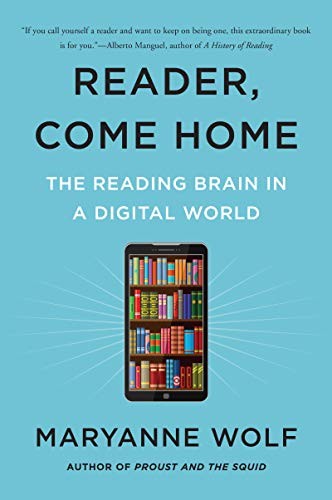
Reader, Come Home by Maryanne Wolf
-
The Shallows by Nicholas Carr
-
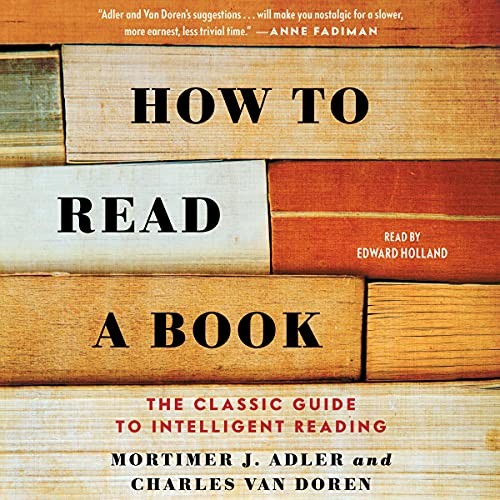
How to Read a Book by Mortimer J. Adler and Charles Van Doren
Related: 15 Best Books for 16 Year Old Boys That Actually Hold Their Attention · How To Hold A Book With One Hand | The Ultimate Guide
Frequently Asked Questions
How many books can a Kindle hold?
Thousands of typical e-books.
How big is an average e-book file?
About 1 to 3 MB.
Do audiobooks take more space?
Yes, much more.
Can I delete books and get them back?
Yes, purchases stay in your Amazon library.
How do I check Kindle storage?
In the device settings menu.
Do Kindle Unlimited books take space?
Yes, when downloaded.
Which Kindle has the most storage?
Higher-end models offer 32 GB.
Do comics fit on a Kindle?
Yes, but they use much more space.
Can I add an SD card?
No. Kindles do not support memory cards.
Does storage affect speed?
A nearly full device may run a little slower.
Should I buy 16 GB or 32 GB?
16 GB is plenty for most text readers, while audiobook and comic fans may prefer 32 GB.
Do library loans count toward storage?
Yes, while downloaded on the device.
Can I organize books on a Kindle?
Yes. Collections let you group books by genre, series or reading status, which helps with large libraries.
Do Kindle apps use phone storage?
Yes. Downloaded books on the Kindle app take space on your phone or tablet, so remove finished titles there too.
How many audiobooks fit on a Kindle?
Far fewer than e-books, often dozens rather than thousands, depending on length and storage size.