
Disclosure: As an Amazon Associate, Bookish Wisdom earns from qualifying purchases. This doesn't change our picks or your price.
Quick answer: There is no official number, but many people consider around 100 to 500 books a personal library, and collectors often have thousands. What makes a personal library is less the count and more that the books are chosen, organized and used, with a mix of favorites, reference books and books you plan to read.
Table of Contents
Key Facts
| Item | Detail |
|---|---|
| Common view | About 100-500 books and up |
| Serious collectors | Thousands of books |
| Key quality | Chosen, organized and used |
| Typical contents | Favorites, reference books and to-be-read books |
| Organization | By genre, author, color or theme |
How to Build a Personal Library
1. Start with what you love
Keep books that matter to you, whether favorites, childhood books or books you return to.
2. Add reference books
A good dictionary, atlas and books on your interests make a library useful.
3. Buy used and borrow
Secondhand shops, library sales and book swaps help a library grow affordably.
4. Organize your shelves
Sort by genre, author, color or theme so you can find books easily.
5. Catalog your books
Apps like Libib or LibraryThing help track what you own.
6. Curate regularly
Donate books you will not reread to keep the collection meaningful.
Mistakes When Building a Home Library
- Buying books you will never read. Choose with intention.
- Ignoring storage. Protect books from damp and sunlight.
- Keeping everything. Curate to keep the library meaningful.
- Forgetting to lend. Sharing books is part of the joy.
- Not cataloging. Large collections get hard to track.
Making Reading Part of Everyday Life
Small habits make the biggest difference. Keep a book where you naturally spend idle minutes, such as by the bed, in a bag or on your phone through a library app. Set a gentle goal, like ten pages a day, rather than a large number that feels like pressure. Mix formats, since audiobooks count too and can fit into commutes and chores. Let yourself stop reading books you do not enjoy, because forcing your way through them is one of the fastest ways to lose the habit. And talk about what you read with friends or a book club, since sharing a story is one of the best reasons to finish it.
If you want to read more, track what you finish in a notebook or app. Seeing a growing list is motivating, and it helps you notice what you enjoy most, so you can choose better books next time.
Finally, be patient with yourself. Reading habits grow slowly, and a few pages most days will add up to many books over a year.
It also helps to keep a list of books you want to read next. When you finish one book, you will already know what to pick up, which keeps the habit going without a gap.
Above all, choose books that match your mood and interests. Reading should feel like a reward, not a test, and the right book at the right time makes the habit easy.
Libraries are the best free resource for any reader. Librarians can suggest books, help you find formats that suit you and introduce you to digital lending apps.
Helpful Books and Resources
-
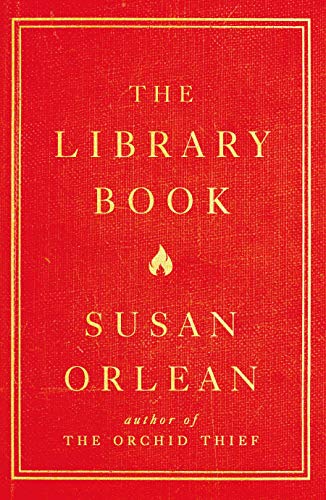
The Library Book by Susan Orlean
-
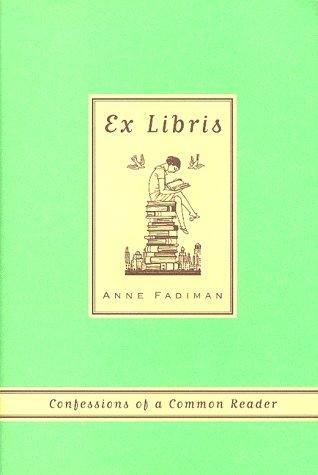
Ex Libris by Anne Fadiman
-

The Library: A Fragile History by Andrew Pettegree and Arthur der Weduwen
Related: 15 Best Classic Books Like the Count of Monte Cristo · Audiobooks for Personal Development: 15 Great Picks
Frequently Asked Questions
How many books make a personal library?
Often 100 to 500 or more.
What should be in a home library?
Favorites, reference books and books you plan to read.
How do I organize my books?
By genre, author, color or theme.
What apps help catalog books?
Libib and LibraryThing.
Where can I buy cheap books?
Used bookstores and library sales.
How do I protect books?
Keep them away from damp and direct sunlight.
Should I keep books I have read?
Keep the ones you love or will reread.
What is tsundoku?
A Japanese word for buying books and letting them pile up unread.
Does a personal library need special shelves?
No. Any sturdy shelves work.
Should I include e-books?
Many readers count digital collections too.
How do I start a library for kids?
Begin with picture books and add favorites as they grow.
Is it okay to write in my books?
Yes, if they are yours. Margin notes make books personal.
Can a small apartment have a library?
Yes. Wall shelves and stacked crates work well.