

Disclosure: As an Amazon Associate, Bookish Wisdom earns from qualifying purchases. This doesn't change our picks or your price.
Quick answer: A standard bookshelf about 3 feet (90 cm) wide fits roughly 25 to 35 average books on each shelf, depending on their thickness. Thin paperbacks may fit 35 to 45 per shelf, while thick hardcovers may fit only 20 to 25. A typical tall bookcase with five shelves therefore holds about 125 to 175 books. To estimate your own, measure the shelf width in inches and divide by about 1 inch for paperbacks or 1.5 inches for hardcovers.
Table of Contents
Key Facts
| Item | Detail |
|---|---|
| Shelf width | About 36 inches |
| Paperbacks per shelf | About 35 to 45 |
| Hardcovers per shelf | About 20 to 25 |
| Five-shelf bookcase | About 125 to 175 books |
| Quick formula | Width divided by average spine thickness |
How to Estimate and Maximize Bookshelf Space
1. Measure your shelves
Note the width and height of each shelf.
2. Measure average spines
Measure ten books and divide by ten to get average thickness.
3. Calculate
Divide shelf width by average spine thickness.
4. Check height
Tall art books and hardcovers may not fit on short shelves.
5. Mix orientations
Stack some books horizontally to save space and add style.
6. Leave breathing room
Do not pack books too tightly, to avoid damage.
Bookshelf Mistakes to Avoid
- Packing too tightly. It damages spines.
- Ignoring shelf strength. Heavy books can bow shelves.
- Forgetting height. Measure tall books.
- Overloading top shelves. Keep heavy books low.
- Ignoring sunlight. It fades covers.
Making Reading Part of Everyday Life
Small habits make the biggest difference. Keep a book where you naturally spend idle minutes, such as by the bed, in a bag or on your phone through a library app. Set a gentle goal, like ten pages a day, rather than a large number that feels like pressure. Mix formats, since audiobooks count too and can fit into commutes and chores. Let yourself stop reading books you do not enjoy, because forcing your way through them is one of the fastest ways to lose the habit. And talk about what you read with friends or a book club, since sharing a story is one of the best reasons to finish it.
If you want to read more, track what you finish in a notebook or app. Seeing a growing list is motivating, and it helps you notice what you enjoy most, so you can choose better books next time.
Finally, be patient with yourself. Reading habits grow slowly, and a few pages most days will add up to many books over a year.
It also helps to keep a list of books you want to read next. When you finish one book, you will already know what to pick up, which keeps the habit going without a gap.
Above all, choose books that match your mood and interests. Reading should feel like a reward, not a test, and the right book at the right time makes the habit easy.
Libraries are the best free resource for any reader. Librarians can suggest books, help you find formats that suit you and introduce you to digital lending apps.
Talking about books also deepens understanding. Sharing a favorite passage with a friend, joining an online discussion or writing a few lines in a reading journal helps you remember what you read and notice ideas you might otherwise miss.
It can also help to vary what you read. Alternating between fiction and nonfiction, long and short books, or new releases and older favorites keeps reading fresh and introduces you to authors and ideas you might never have chosen on purpose.
Helpful Books and Resources
-
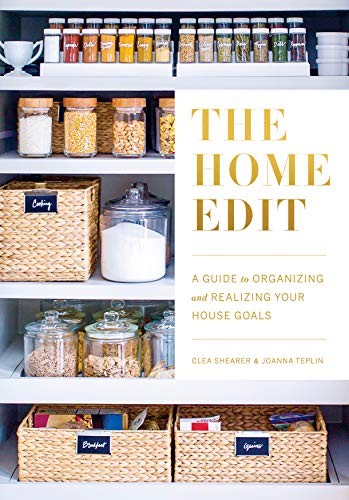
The Home Edit by Clea Shearer
-
Ex Libris by Anne Fadiman
-

The Library at Night by Alberto Manguel
Related: How To Store Books Without A Bookshelf? · How Many Books Will There Be in the Empyrean Series?
Frequently Asked Questions
How many books fit on a shelf?
About 25 to 35 average books per 3-foot shelf.
How many books fit on a five-shelf bookcase?
About 125 to 175.
How thick is an average paperback?
About 1 inch.
How thick is an average hardcover?
About 1.5 inches.
How do I calculate bookshelf capacity?
Divide shelf width by average spine thickness.
Do shelves sag with books?
Long shelves can sag under heavy books.
How deep should a bookshelf be?
Usually 10 to 12 inches.
Should books be stacked horizontally?
Some stacking saves space and protects tall books.
How many books does the average home have?
It varies widely by household.
How do I store extra books?
Use boxes, under-bed storage or donate.
What is a book nook?
A cozy reading corner or tiny shelf diorama.
Should I sort by color?
Some readers love it, though it can make finding books harder.
How much does a full bookshelf weigh?
Books can weigh hundreds of pounds per bookcase.
Should bookshelves be anchored?
Yes, anchor tall bookcases to the wall.
How much space do e-books save?
Thousands fit on one device.
Do bookshelves need gaps for air?
A little space helps prevent mold in damp rooms.
Can I put books two rows deep?
Yes, on deep shelves, though the back row is harder to see.
What is the best shelf height for paperbacks?
About 9 to 10 inches of clearance fits most.