
Disclosure: As an Amazon Associate, Bookish Wisdom earns from qualifying purchases. This doesn't change our picks or your price.
Quick answer: There is no single rule, but many school library guidelines suggest at least 10 to 20 books per student, with smaller schools needing a minimum core collection of a few thousand books. A school of 500 students would therefore aim for roughly 5,000 to 10,000 books. Quality matters as much as quantity, so collections should be current, varied and regularly updated.
Table of Contents
Key Facts
| Item | Detail |
|---|---|
| Common guideline | About 10-20 books per student |
| Example | 500 students, roughly 5,000-10,000 books |
| Collection age | Nonfiction especially should be updated regularly |
| Who decides | School librarians, districts and state guidelines |
| Beyond books | E-books, audiobooks and databases also count |
How to Size a School Library Collection
1. Start with enrollment
Multiply the number of students by a target, such as 10 to 20 books each, to get a rough collection goal.
2. Check local guidelines
Some states, districts and library associations publish recommended standards, so use those first.
3. Balance fiction and nonfiction
Students need stories for pleasure and nonfiction for research and curiosity.
4. Weed old materials
Outdated science, technology and history books can mislead students, so remove and replace them regularly.
5. Add digital resources
E-books, audiobooks and online databases extend the collection without needing shelf space.
6. Listen to students
Track what is borrowed and ask students what they want, so the collection stays popular and relevant.
Common Mistakes in School Library Collections
- Counting old, unused books. A large but outdated collection is less useful than a smaller current one.
- Ignoring diversity. Students should see many cultures and experiences.
- Forgetting reading levels. Include books for struggling and advanced readers.
- Underfunding updates. Collections need a steady yearly budget.
- Overlooking graphic novels. They are among the most borrowed items.
Making Reading Part of Everyday Life
Small habits make the biggest difference. Keep a book where you naturally spend idle minutes, such as by the bed, in a bag or on your phone through a library app. Set a gentle goal, like ten pages a day, rather than a large number that feels like pressure. Mix formats, since audiobooks count too and can fit into commutes and chores. Let yourself stop reading books you do not enjoy, because forcing your way through them is one of the fastest ways to lose the habit. And talk about what you read with friends or a book club, since sharing a story is one of the best reasons to finish it.
If you want to read more, track what you finish in a notebook or app. Seeing a growing list is motivating, and it helps you notice what you enjoy most, so you can choose better books next time.
Finally, be patient with yourself. Reading habits grow slowly, and a few pages most days will add up to many books over a year.
It also helps to keep a list of books you want to read next. When you finish one book, you will already know what to pick up, which keeps the habit going without a gap.
Above all, choose books that match your mood and interests. Reading should feel like a reward, not a test, and the right book at the right time makes the habit easy.
Helpful Books and Resources
-
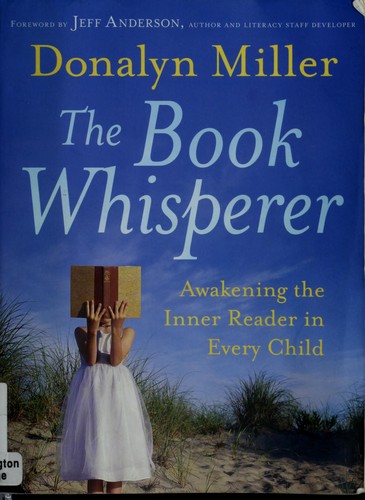
The Book Whisperer by Donalyn Miller
-
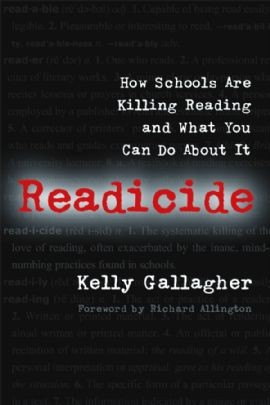
Readicide by Kelly Gallagher
- The Read-Aloud Handbook by Jim Trelease
Related: How Many Minutes Should a Child Read Each Day? · How Many Books Should a Child Read a Year?
Frequently Asked Questions
How many books should a school library have?
Often 10 to 20 books per student.
How many books does an elementary school library need?
A typical elementary library has several thousand books.
How often should books be replaced?
Nonfiction should be reviewed regularly, especially science and technology.
Do e-books count?
Yes, they are part of a modern collection.
Who chooses school library books?
Usually a trained school librarian.
What is weeding?
Removing outdated or damaged books from the collection.
Are graphic novels good for school libraries?
Yes. They are popular and build reading skills.
How can parents help?
Donate new books, volunteer or support library funding.
How big should a classroom library be?
Many teachers aim for several hundred books in a classroom library, alongside the school library.
What is a good budget for a school library?
It varies, but steady yearly funding matters more than one-time purchases.
Should school libraries include audiobooks?
Yes. They support students with different learning needs.