
Disclosure: As an Amazon Associate, Bookish Wisdom earns from qualifying purchases. This doesn't change our picks or your price.
Quick answer: To write a book about your life, decide whether you are writing a memoir, which focuses on one theme or period, or a full autobiography. Then choose the central story you want to tell, gather memories and documents, outline the key moments, write a rough draft without editing, and revise for honesty, clarity and emotion. Most strong life stories focus on a turning point rather than every year.
Table of Contents
Key Facts
| Item | Detail |
|---|---|
| Best format for most people | Memoir focused on one theme or period |
| Typical length | 60,000-90,000 words |
| Key tools | Journals, photos, letters and interviews |
| Biggest challenge | Choosing what to leave out |
| Legal caution | Be fair to real people and avoid revealing private details carelessly |
How to Write a Book About Your Life
1. Choose your focus
Ask what one story your life tells best, such as recovering from illness, raising a family or building a career. A clear focus turns memories into a story readers want to follow.
2. Gather your memories
Make lists of key moments, look through photos, letters and old journals, and talk to family members. Write down sensory details, such as smells, sounds and places, because they bring scenes to life.
3. Outline the turning points
Arrange your memories around a beginning, a challenge and a change. Memoirs read best when they have the shape of a story, not a diary.
4. Write the first draft quickly
Aim to finish a rough version before editing. Write scenes rather than summaries, showing what happened and how you felt.
5. Revise for meaning
In the second draft, ask what each chapter shows about the larger story. Cut anything that does not serve the theme.
6. Get feedback and decide how to publish
Share your draft with trusted readers, then choose between traditional publishing, self-publishing or printing copies for your family.
Common Mistakes in Life Writing
- Trying to include everything. A life story becomes stronger when you leave out unrelated events.
- Writing only summaries. Readers connect with scenes, dialogue and specific details.
- Being unfair to real people. Write honestly but avoid cruelty, and consider changing names when needed.
- Waiting for perfect memory. Memory is imperfect, so be honest about what you remember and how.
- Editing while drafting. Finish a rough version first, then improve it.
Building a Writing Habit That Lasts
Most books are finished by people who write regularly, not by people who wait for inspiration. Pick a time you can protect, even if it is only twenty minutes, and treat it like an appointment. Keep a running document of ideas so you never start from a blank page. Set a small, measurable goal, such as three hundred words a session, and track it. When you get stuck, skip ahead to a scene or section you are excited about and come back later. Finally, separate drafting from editing: write the rough version first, and fix it afterward, because trying to do both at once slows most writers down.
It also helps to know who the book is for. Write a one-sentence description of your reader and keep it beside your desk. Every time you are unsure about a scene, a word or a chapter, ask whether it serves that reader. This simple check keeps a draft focused and makes later editing much easier.
Finally, ask for feedback early. A trusted reader, writing group or teacher can spot problems you are too close to see, and fixing them in an early draft is much easier than in a finished one.
Keep every draft. Saving old versions lets you experiment freely, because you can always go back if a change does not work.
Most importantly, enjoy the process. Writing a book is a long project, and the writers who finish are usually the ones who find something to love in the daily work.
Helpful Books and Resources
- Writing Down Your Memories by Jerry Payne
-
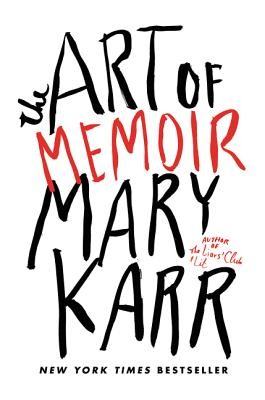
The Art of Memoir by Mary Karr
-
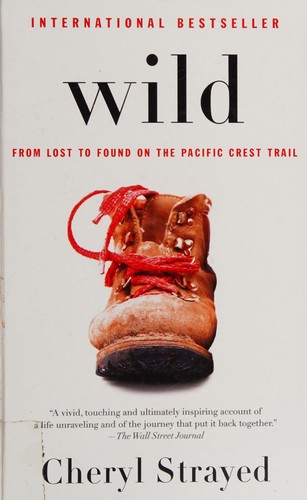
Wild by Cheryl Strayed
Related: Wild by Cheryl Strayed: Summary and Key Takeaways · How to Write a Book Review
Frequently Asked Questions
What is the difference between a memoir and an autobiography?
A memoir focuses on a theme or period, while an autobiography covers a whole life.
How long should a book about my life be?
Most memoirs run between 60,000 and 90,000 words.
Do I need permission to write about family?
Not usually, but be fair and consider their privacy.
Can I change names in a memoir?
Yes. Many writers change names to protect privacy.
How do I start a memoir?
Start with a vivid scene from your central turning point.
Should I hire a ghostwriter?
It can help if you have a strong story but little time to write.
Can I self-publish a memoir?
Yes. Many people self-publish or print copies for family.
What memoirs can I learn from?
Try Wild by Cheryl Strayed and The Glass Castle by Jeannette Walls.