
Disclosure: As an Amazon Associate, Bookish Wisdom earns from qualifying purchases. This doesn't change our picks or your price.
Quick answer: To write a nonfiction book outline, start with the core promise of your book in one sentence, list the main questions your reader needs answered, group them into five to fifteen chapters in a logical order, and add key points, stories and research under each chapter. A good outline also includes an introduction that sets up the problem and a conclusion that sums up the change readers can expect.
Table of Contents
Key Facts
| Item | Detail |
|---|---|
| Typical chapters | 5-15 |
| Core element | A one-sentence promise to the reader |
| Common structures | Step-by-step, problem-solution, chronological, thematic |
| Inside each chapter | Main point, stories, evidence and takeaway |
| Used for | Writing and book proposals |
How to Outline a Nonfiction Book
1. Define your promise
Write one sentence about what readers will learn or be able to do after reading. Every chapter should serve this promise.
2. List reader questions
Brainstorm everything your ideal reader wants to know, then remove questions that do not fit the promise.
3. Choose a structure
Use step-by-step for how-to books, chronological for history, problem and solution for advice books, or themes for idea-driven books.
4. Draft chapter titles
Turn grouped questions into chapters, each with a clear purpose and a working title.
5. Add bullet points
Under each chapter, list key ideas, stories, examples, data and sources to include.
6. Test and refine
Check that each chapter builds on the last, then adjust the order. The outline becomes the backbone of your proposal and draft.
Mistakes in Nonfiction Outlines
- Including too much. Cut ideas that do not support the core promise.
- Leaving out stories. Examples and anecdotes make nonfiction memorable.
- Skipping research notes. Note sources early to save time.
- Uneven chapters. Balance chapter lengths and depth.
- Locking the outline too early. It should evolve as you write.
Building a Writing Habit That Lasts
Most books are finished by people who write regularly, not by people who wait for inspiration. Pick a time you can protect, even if it is only twenty minutes, and treat it like an appointment. Keep a running document of ideas so you never start from a blank page. Set a small, measurable goal, such as three hundred words a session, and track it. When you get stuck, skip ahead to a scene or section you are excited about and come back later. Finally, separate drafting from editing: write the rough version first, and fix it afterward, because trying to do both at once slows most writers down.
It also helps to know who the book is for. Write a one-sentence description of your reader and keep it beside your desk. Every time you are unsure about a scene, a word or a chapter, ask whether it serves that reader. This simple check keeps a draft focused and makes later editing much easier.
Finally, ask for feedback early. A trusted reader, writing group or teacher can spot problems you are too close to see, and fixing them in an early draft is much easier than in a finished one.
Keep every draft. Saving old versions lets you experiment freely, because you can always go back if a change does not work.
Most importantly, enjoy the process. Writing a book is a long project, and the writers who finish are usually the ones who find something to love in the daily work.
Reading widely in the form you are writing is one of the best teachers. Notice how other writers open, structure and end their work, and borrow techniques that suit your own voice.
Helpful Books and Resources
-
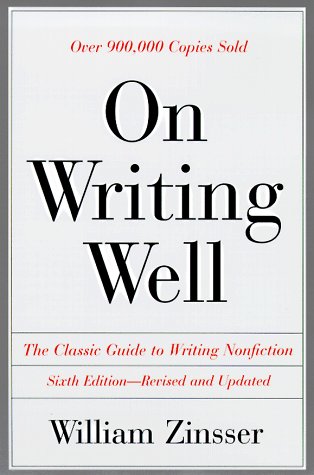
On Writing Well by William Zinsser
-
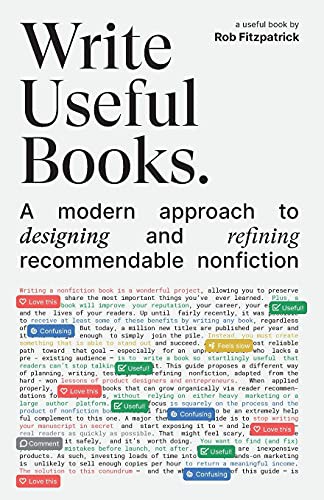
Write Useful Books by Rob Fitzpatrick
-
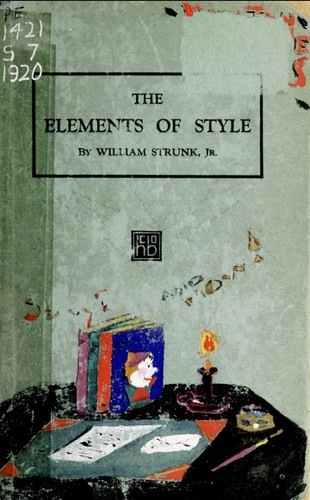
The Elements of Style by William Strunk Jr. and E. B. White
Related: How to Write a Book Review · How To Write A Book in 7 Days | The Ultimate Guide
Frequently Asked Questions
How many chapters should a nonfiction book have?
Usually five to fifteen.
Do I need an outline for nonfiction?
Yes. It keeps the book focused.
What is a book promise?
A clear statement of what readers will gain.
How detailed should an outline be?
Enough to know each chapter's main point and examples.
Can an outline change?
Yes. Most do as you write.
Is an outline part of a book proposal?
Yes. Proposals include a chapter outline.
What structure is best?
It depends on your topic and goal.
What books can help?
On Writing Well by William Zinsser is a classic guide.
Should I write the introduction first?
Many authors write it last, once they know exactly what the book delivers.
How long should each chapter be?
Many nonfiction chapters run 3,000 to 6,000 words.