
Disclosure: As an Amazon Associate, Bookish Wisdom earns from qualifying purchases. This doesn't change our picks or your price.
Quick answer: To write a book summary in middle school, state the title, author and main idea in the first sentence, then explain the main character, the central problem, the key events in order and how the story ends, all in your own words. Keep it short, usually one to three paragraphs, and leave out your opinion unless your teacher asks for it.
Table of Contents
Key Facts
| Item | Detail |
|---|---|
| Typical length | One to three paragraphs |
| First sentence | Title, author and main idea |
| Key elements | Character, problem, main events and ending |
| Point of view | Third person and present tense |
| What to leave out | Minor details and personal opinion |
How to Write a Book Summary, Step by Step
1. Finish the book and take notes
List the main character, the setting, the problem and four or five key events as you read.
2. Write a strong first sentence
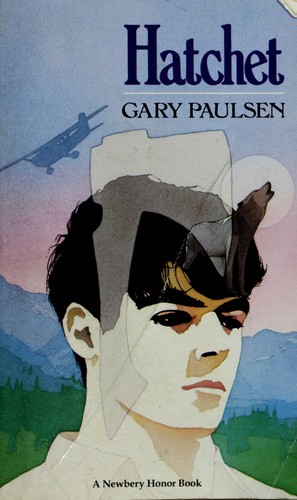
Include the title, author and what the book is mainly about, for example: In Hatchet by Gary Paulsen, a boy must survive alone in the wilderness after a plane crash.
3. Explain the main problem
Describe what the main character wants and what stands in the way.
4. Tell the key events in order
Choose only the most important moments and connect them with words like first, then and finally.
5. Describe the ending
Explain how the problem is resolved and how the character has changed.
6. Revise and check
Read your summary aloud, cut unnecessary details and make sure it is in your own words and present tense.
Common Summary Mistakes
- Including too many details. Focus on the main events.
- Adding opinions. A summary describes the book, while a review gives opinions.
- Copying from the back cover. Use your own words.
- Changing tenses. Use the present tense consistently.
- Forgetting the ending. Most teachers want it included.
Building a Writing Habit That Lasts
Most books are finished by people who write regularly, not by people who wait for inspiration. Pick a time you can protect, even if it is only twenty minutes, and treat it like an appointment. Keep a running document of ideas so you never start from a blank page. Set a small, measurable goal, such as three hundred words a session, and track it. When you get stuck, skip ahead to a scene or section you are excited about and come back later. Finally, separate drafting from editing: write the rough version first, and fix it afterward, because trying to do both at once slows most writers down.
It also helps to know who the book is for. Write a one-sentence description of your reader and keep it beside your desk. Every time you are unsure about a scene, a word or a chapter, ask whether it serves that reader. This simple check keeps a draft focused and makes later editing much easier.
Finally, ask for feedback early. A trusted reader, writing group or teacher can spot problems you are too close to see, and fixing them in an early draft is much easier than in a finished one.
Keep every draft. Saving old versions lets you experiment freely, because you can always go back if a change does not work.
Most importantly, enjoy the process. Writing a book is a long project, and the writers who finish are usually the ones who find something to love in the daily work.
Helpful Books and Resources
Related: Hatchet by Gary Paulsen: Summary and Key Takeaways · Holes by Louis Sachar: Summary and Key Takeaways
Frequently Asked Questions
How long should a middle school book summary be?
One to three paragraphs.
What is the difference between a summary and a book report?
A summary only retells the main story, while a report adds analysis and opinion.
Should I use present tense?
Yes. Literary summaries usually use present tense.
Do I include quotes?
Usually not, unless the assignment asks for them.
How do I start a summary?
With the title, author and main idea.
Can I give my opinion?
Not in a pure summary.
How many events should I include?
Four to six key events is usually enough.
What books are good to practice with?
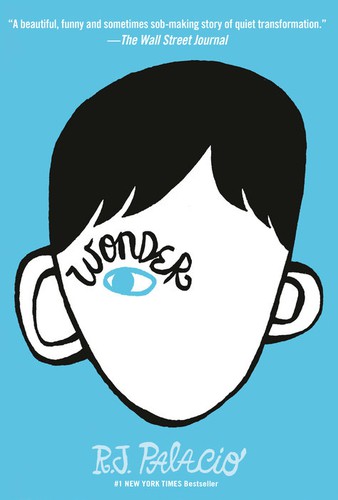
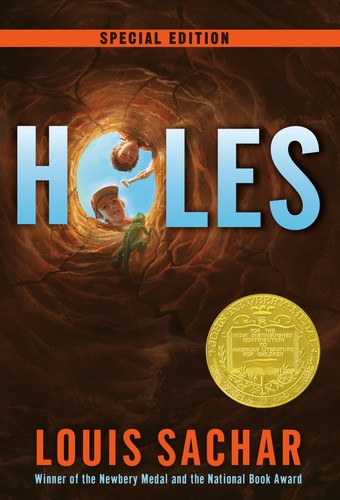
Hatchet, Wonder and Holes have clear plots.
What is a one-sentence summary?
A single sentence that names the main character, the problem and the result.
How do I make my summary flow?
Use transition words like first, next, after that and finally.