
Disclosure: As an Amazon Associate, Bookish Wisdom earns from qualifying purchases. This doesn't change our picks or your price.
Quick answer: To write a joke book, choose your audience and theme, such as knock-knock jokes for kids or puns about animals, then collect and write many jokes, testing them on real people. Keep only the funniest, organize them into sections, add illustrations or short introductions, and make sure your material is original or in the public domain, since copying another book's jokes word for word can break copyright. Finally, design and publish it through a publisher or self-publishing.
Table of Contents
Key Facts
| Item | Detail |
|---|---|
| Key steps | Audience, theme, write, test, organize |
| Popular formats | Knock-knock, riddles, puns, one-liners |
| Best audience | Often children ages 6 to 10 |
| Length | Often 100 to 300 jokes |
| Copyright | Use original wording |
How to Write a Joke Book Step by Step
1. Pick an audience
Kids, teens and adults enjoy different humor.
2. Choose a theme
Animals, school, food or holidays help focus your book.
3. Write lots of jokes
Draft far more than you need.
4. Test them
Try jokes on real readers and keep the ones that get laughs.
5. Organize sections
Group by type or topic.
6. Add art and layout
Simple illustrations make joke books more fun.
Joke Book Mistakes
- Copying jokes. Write your own versions.
- Mixing audiences. Keep humor age-appropriate.
- Skipping testing. Real laughs matter.
- Too many puns. Mix joke types.
- Weak layout. Leave space for punchlines.
Building a Writing Habit That Lasts
Most books are finished by people who write regularly, not by people who wait for inspiration. Pick a time you can protect, even if it is only twenty minutes, and treat it like an appointment. Keep a running document of ideas so you never start from a blank page. Set a small, measurable goal, such as three hundred words a session, and track it. When you get stuck, skip ahead to a scene or section you are excited about and come back later. Finally, separate drafting from editing: write the rough version first, and fix it afterward, because trying to do both at once slows most writers down.
It also helps to know who the book is for. Write a one-sentence description of your reader and keep it beside your desk. Every time you are unsure about a scene, a word or a chapter, ask whether it serves that reader. This simple check keeps a draft focused and makes later editing much easier.
Finally, ask for feedback early. A trusted reader, writing group or teacher can spot problems you are too close to see, and fixing them in an early draft is much easier than in a finished one.
Keep every draft. Saving old versions lets you experiment freely, because you can always go back if a change does not work.
Most importantly, enjoy the process. Writing a book is a long project, and the writers who finish are usually the ones who find something to love in the daily work.
Reading widely in the form you are writing is one of the best teachers. Notice how other writers open, structure and end their work, and borrow techniques that suit your own voice.
Set a realistic deadline for each stage, such as finishing the draft, completing revisions and getting feedback. Deadlines turn a large, vague goal into a series of manageable steps, and they make it easier to notice when you need to adjust your plan.
Finally, protect your work. Back up every draft in at least two places, such as a cloud folder and an external drive, and keep a simple log of what you changed in each version. If anything goes wrong, you will lose a few minutes rather than months of writing.
Helpful Books and Resources
-
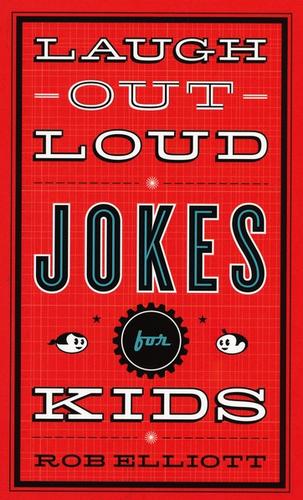
Laugh-Out-Loud Jokes for Kids by Rob Elliott
-
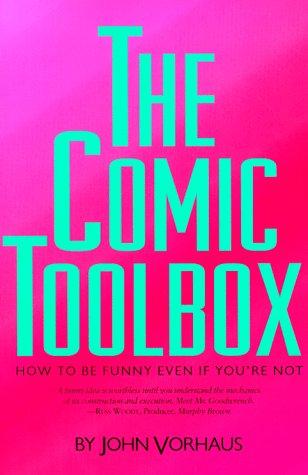
The Comic Toolbox by John Vorhaus
-
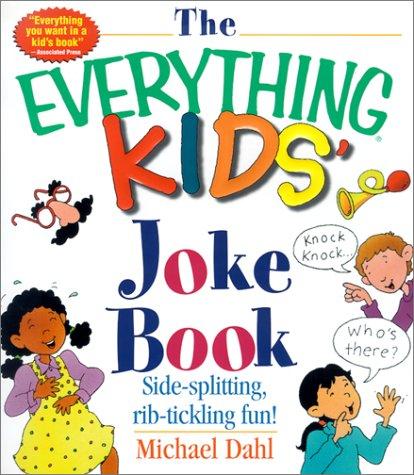
The Everything Kids' Joke Book by Michael Dahl
Related: How to Write a Book Review · How To Write A Book in 7 Days | The Ultimate Guide
Frequently Asked Questions
How do I write a joke book?
Pick an audience, write jokes, test and organize.
Can I copy jokes?
Copying exact wording can break copyright, so write your own.
What makes a good joke?
Surprise and good timing.
What is a pun?
A joke playing on word meanings.
What is a knock-knock joke?
A call-and-response joke.
How many jokes should a joke book have?
Often 100 to 300.
Do joke books need pictures?
Illustrations help, especially for kids.
Can kids write joke books?
Yes, it is a great writing project.
How do I test jokes?
Read them to friends or classes.
Can I self-publish a joke book?
Yes, through print-on-demand.
What are riddles?
Questions with clever answers.
Are joke books popular?
Yes, especially for children.
What is a one-liner?
A joke in one sentence.
How do I format punchlines?
Place them on the next line or upside down.
Do joke books help reading?
Yes, they motivate reluctant readers.
What age loves joke books most?
Often 6 to 10.
Should jokes be clean?
For kids, yes.
Can I write a joke book for adults?
Yes, with themes for adults.
Can I include jokes from old books?
Jokes from very old public domain books can be reused.