
Disclosure: As an Amazon Associate, Bookish Wisdom earns from qualifying purchases. This doesn't change our picks or your price.
TL;DR: Ed Kennedy is a 19-year-old cab driver with a dull life, a dog and a crush on his friend Audrey. After he stops a bank robbery by accident, he starts receiving playing cards in the mail, each with addresses and clues. He has to figure out the messages and help the people he finds.
Table of Contents
I Am the Messenger at a Glance
| Author | Markus Zusak |
| First published | 2002 |
| Type | Young adult fiction |
| Best for | readers who like quirky, thoughtful stories about purpose |
I Am the Messenger is a novel by Markus Zusak, first published in 2002. The novel was written by the author of The Book Thief and published in Australia before it. It won several awards. Below you will find a part-by-part summary, five key takeaways, a few ideas worth remembering and a note on who will enjoy it most. The part-by-part section gives away the plot, including the ending, so skip it if you have not read the book yet.
Content note: Contains violence, strong language and mentions of abuse.
What Happens, Part by Part (Contains Spoilers)
An ordinary life
Ed lives in a run-down house with his smelly dog, the Doorman. He plays cards with friends and drifts through life.
The first card
After the bank robbery, an ace of diamonds arrives in the mail with three addresses. Ed visits each and tries to figure out what he is meant to do.
Small acts
At one address, Ed helps a woman who is lonely; at another, he steps in to stop violence. The tasks are different each time.
The aces
The playing cards keep coming: clubs, hearts and spades. Each suit asks for a different kind of action, and the tasks get harder.
Ed grows
As he completes the missions, he gains confidence and begins to take charge of his own life, including his feelings for Audrey.
The sender
The final section reveals who is behind the messages, and the ending gives the story an unexpected twist that recasts the whole book.
5 Key Takeaways
- An ordinary person can make a difference.
- Small acts of kindness matter.
- Courage grows through action.
- A purpose may find you if you pay attention.
- People are more than they seem.
Ideas Worth Remembering
These are paraphrased, not direct quotes:
- The playing cards give the plot a clear structure.
- The twist makes the reader think about who tells stories.
- Ed's voice is funny and sincere.
Who Should Read I Am the Messenger?
Read it if you like YA that mixes humor with meaning. It has some mature content.
Questions to Think About After Reading
These prompts work for solo reading, a book club or a classroom discussion of I Am the Messenger:
- Which character did you understand best, and what did the author do to make you feel that way?
- Which scene would you change, and what would that do to the ending?
- What does the book say about its main theme that you agree or disagree with?
Quick Facts to Remember
- Book: I Am the Messenger by Markus Zusak (2002)
- Type: Young adult fiction
- Best for: readers who like quirky, thoughtful stories about purpose
- Main idea in one line: An ordinary person can make a difference.
Reading Time and Format
Novels differ a lot in length and pace, so check the page count of your edition before you start. If you prefer to listen, many public libraries lend audiobooks through free apps, and a narrated edition can suit a long novel well. Whichever format you choose, a library copy is a low-cost way to try the book before you buy, and used or digital editions are often cheaper than new print copies.
How to Use This Summary
Use this page as a quick reference before a book club meeting, an exam, or a decision about whether I Am the Messenger is worth your time. The takeaways are written to stand on their own. If a point interests you, go back to the book for the author's full argument, examples and style, which no short summary can carry.
A simple way to get the most from it: first read the TL;DR and the takeaways to decide if the book fits your interests, then read the part-by-part section for the structure, and finally write down one idea you want to remember or one question you want answered by the full text.
A Note on Accuracy and Spoilers
This summary is based on the published text of I Am the Messenger, not on any film, series or stage adaptation, which often change the story. Details are kept at the level of the main events so that nothing is invented. Editions differ slightly in length and wording, so page numbers and small details may vary from your copy.
Should You Read the Book?
If you plan to read it, set aside a few evenings and read the opening chapters before you decide. A summary tells you what happens, but the voice and pacing are what make a novel work or not. If you are still unsure, read a free sample or the first chapter, because the opening pages usually show whether the voice and subject suit you. Reviews from readers with tastes like yours can help too, but your own reaction to a few pages is the best test.
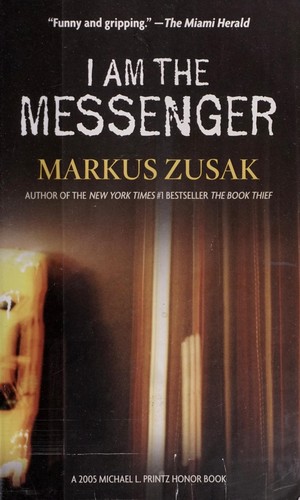
Check price of I Am the Messenger on Amazon
What to Read Next
- The Book Thief by Markus Zusak: Zusak's best-known novel
- Bridge of Clay by Markus Zusak: a family story in Sydney
- Looking for Alibrandi by Melina Marchetta: an Australian coming-of-age novel
Frequently Asked Questions
Is I Am the Messenger related to The Book Thief?
They share an author but are different stories.
What is the twist?
The book reveals who is behind the cards at the end.
What age is it for?
Roughly 14 and up.
Is I Am the Messenger worth reading?
It depends on what you want. The book is best for readers who like quirky, thoughtful stories about purpose. If that describes you, it is likely a good fit. If not, the titles under What to Read Next may suit you better.
Can this summary replace reading I Am the Messenger?
No. A summary covers the main events and ideas, but it cannot carry the author's voice, detail or pacing. Use it to decide whether to read the book, to refresh your memory or to prepare for a discussion.