
Disclosure: As an Amazon Associate, Bookish Wisdom earns from qualifying purchases. This doesn't change our picks or your price.
TL;DR: Maya Angelou recalls her childhood in Arkansas and California, including the racism of the segregated South, a traumatic assault, years of silence and the discovery of books and poetry that helped her find her voice. The book ends with her becoming a young mother.
Table of Contents
I Know Why the Caged Bird Sings at a Glance
| Author | Maya Angelou |
| First published | 1969 |
| Type | Autobiography |
| Best for | readers who want a powerful, lyrical memoir about resilience |
I Know Why the Caged Bird Sings is a memoir by Maya Angelou, first published in 1969. It is the first of seven autobiographies by Angelou. It is widely taught but has often been challenged for its depiction of sexual abuse. Below you will find a part-by-part summary, five key takeaways, a few ideas worth remembering and a note on who will enjoy it most. The summary paraphrases the author's ideas rather than quoting them at length, so it works as a refresher or a preview, not a replacement for the book.
Content note: Contains sexual abuse, racism and trauma.
The Story, Part by Part
Stamps, Arkansas
Marguerite Johnson, called Maya, and her brother Bailey are sent as small children to live with their grandmother, called Momma, in Stamps. Momma runs a general store and is a pillar of the Black community.
Life under segregation
Maya describes the humiliations and dangers of life in the Jim Crow South, as well as the strength of her community, church and family.
Trauma
When Maya visits her mother in St. Louis, she is assaulted by a man in her mother's life. After he is killed, she believes her voice caused his death, and she stops speaking for years.
Finding words
Back in Stamps, a woman named Mrs. Flowers introduces Maya to poetry and encourages her to speak again.
California
Maya moves to live with her mother in California and grows into a teenager. She becomes the first Black woman to work as a streetcar conductor in San Francisco.
Motherhood
The book ends with Maya having a baby at sixteen. The ending is open and hopeful.
5 Key Takeaways
- Literature and language can heal.
- Resilience is built from community support.
- Racism is both public and personal in its harm.
- Silence can protect and hurt.
- A strong voice is formed through hardship.
Ideas Worth Remembering
These are paraphrased, not direct quotes:
- The caged bird is a symbol of confinement and the desire for freedom.
- Angelou writes with a poet's attention to sound.
- The memoir is told with honesty about shame and pride.
Who Should Read I Know Why the Caged Bird Sings?
Read it if you want a classic American memoir. It is heavy in places but widely valued.
Questions to Think About After Reading
These prompts work for solo reading, a book club or a classroom discussion of I Know Why the Caged Bird Sings:
- Which moment in the author's life stayed with you longest?
- How does the author's voice shape the way you judge the people in the story?
- What would you want to ask the author if you could?
Quick Facts to Remember
- Book: I Know Why the Caged Bird Sings by Maya Angelou (1969)
- Type: Autobiography
- Best for: readers who want a powerful, lyrical memoir about resilience
- Main idea in one line: Literature and language can heal.
Reading Time and Format
A memoir is often best in one or two long sittings so the voice stays consistent. An audiobook read by the author, where one exists, can add a lot. Whichever format you choose, a library copy is a low-cost way to try the book before you buy, and used or digital editions are often cheaper than new print copies.
How to Use This Summary
Use this page as a quick reference before a book club meeting, an exam, or a decision about whether I Know Why the Caged Bird Sings is worth your time. The takeaways are written to stand on their own. If a point interests you, go back to the book for the author's full argument, examples and style, which no short summary can carry.
A simple way to get the most from it: first read the TL;DR and the takeaways to decide if the book fits your interests, then read the part-by-part section for the structure, and finally write down one idea you want to remember or one question you want answered by the full text.
A Note on Accuracy and Spoilers
This summary is based on the published text of I Know Why the Caged Bird Sings, not on any film, series or stage adaptation, which often change the story. Details are kept at the level of the main events so that nothing is invented. Editions differ slightly in length and wording, so page numbers and small details may vary from your copy.
Should You Read the Book?
If you decide to read it, give the first chapters time. A memoir depends on voice, and the details of a life land harder in the author's own telling than in any summary. If you are still unsure, read a free sample or the first chapter, because the opening pages usually show whether the voice and subject suit you. Reviews from readers with tastes like yours can help too, but your own reaction to a few pages is the best test.
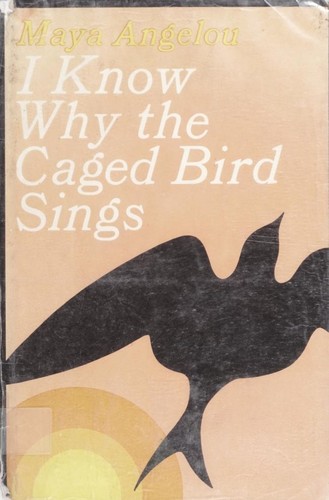
Check price of I Know Why the Caged Bird Sings on Amazon
What to Read Next
- Gather Together in My Name by Maya Angelou: the second volume of her memoirs
- Between the World and Me by Ta-Nehisi Coates: a letter on being Black in America
- Their Eyes Were Watching God by Zora Neale Hurston: a classic novel of a Black woman's search for voice
Frequently Asked Questions
Is I Know Why the Caged Bird Sings a true story?
Yes, it is Maya Angelou's autobiography.
Why is it challenged?
Because of its depiction of sexual abuse and racism.
What age is it for?
Often taught in high school, around 14 and up.
Is I Know Why the Caged Bird Sings worth reading?
It depends on what you want. The book is best for readers who want a powerful, lyrical memoir about resilience. If that describes you, it is likely a good fit. If not, the titles under What to Read Next may suit you better.
Can this summary replace reading I Know Why the Caged Bird Sings?
No. A summary covers the main events and ideas, but it cannot carry the author's voice, detail or pacing. Use it to decide whether to read the book, to refresh your memory or to prepare for a discussion.