
Disclosure: As an Amazon Associate, Bookish Wisdom earns from qualifying purchases. This doesn’t change our picks or your price.
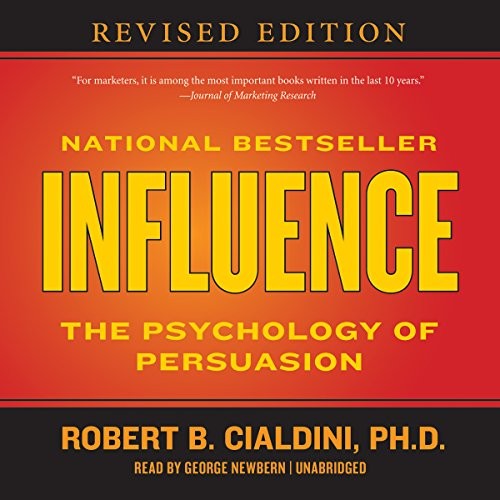
TL;DR: In Influence: The Psychology of Persuasion, psychologist Robert Cialdini explains the mental shortcuts that make people say yes. The original book describes six principles: reciprocity, commitment and consistency, social proof, liking, authority and scarcity. The expanded 2021 edition adds a seventh: unity. Knowing them helps you persuade ethically and resist manipulation.
First published in 1984, Influence is one of the most famous books on psychology and marketing ever written. Robert Cialdini, a professor of psychology and marketing, spent years studying research and even went undercover in sales jobs, car dealerships and fundraising organizations to learn how “compliance professionals” get people to agree. The result is a readable, eye-opening guide to why we say yes, often automatically. Here’s a complete summary of the principles and lessons.
Table of Contents
Influence at a Glance
| Detail | Info |
|---|---|
| Author | Robert B. Cialdini, PhD |
| Published | 1984 (new and expanded edition 2021) |
| Genre | Psychology / business / marketing |
| Core idea | Seven principles that trigger automatic compliance |
| Best for | Marketers, salespeople, managers, negotiators and anyone who wants to resist manipulation |
What Is Influence About?
Cialdini argues that in a busy world, we rely on mental shortcuts to make decisions quickly. Most of the time these shortcuts work well, but they can be exploited. He describes this as “click, whirr”: a trigger appears, and we respond almost automatically. In one well-known study he describes, people asking to cut in line at a copy machine got far more agreement when they simply gave a reason using the word “because,” even when the reason added no real information.
The 7 Principles of Persuasion
1. Reciprocity
We feel obligated to return favors, gifts and concessions. A free sample, a small gift or a personal favor makes people more likely to say yes later. Cialdini also describes the “rejection-then-retreat” technique: making a big request first, then a smaller one that feels like a concession.
2. Commitment and Consistency
Once we take a stand, especially publicly or in writing, we feel pressure to act consistently with it. Small commitments can lead to bigger ones, which is the basis of the “foot-in-the-door” technique.
3. Social Proof
When we’re unsure what to do, we look at what others are doing. Reviews, testimonials, bestseller lists and “most popular” labels all use social proof. It’s strongest when people are similar to us.
4. Liking
We’re more likely to say yes to people we like. Factors include similarity, compliments, familiarity, cooperation and physical attractiveness. Cialdini points to home-party sales models, where buying from a friend’s party feels more personal.
5. Authority
We tend to obey people who appear to be experts or in charge. Titles, uniforms and credentials signal authority. Cialdini discusses Stanley Milgram’s famous experiments, in which many participants followed an authority figure’s instructions despite discomfort.
6. Scarcity
Things seem more valuable when they’re rare or about to disappear. “Limited time only,” “only three left” and exclusive offers trigger the fear of missing out.
7. Unity
Added in the 2021 edition, unity is about shared identity: we’re more easily influenced by people we see as part of “us,” such as family, community or teammates.
5 Key Takeaways From Influence
- Many decisions are automatic. Shortcuts help us, but they can be exploited.
- Give first. Genuine generosity builds goodwill and trust.
- Small yeses lead to big ones. Be aware of how commitments build.
- Watch for artificial pressure. Fake scarcity and false authority are common manipulation tactics.
- Use influence ethically. Persuade with real value and honest information.
Ideas Worth Remembering
- A reason, even a weak one, can dramatically increase agreement. (paraphrased)
- When people are uncertain, they look to others to decide what’s correct. (paraphrased)
- The best defense against manipulation is recognizing when a principle is being used against you. (paraphrased)
Who Should Read Influence?
It’s essential for marketers, salespeople, entrepreneurs, negotiators and managers. It’s also valuable for anyone who wants to make smarter decisions as a consumer and avoid being pressured into purchases or commitments.
What to Read Next
- Pre-Suasion by Robert Cialdini on what happens before persuasion.
- Never Split the Difference by Chris Voss on negotiation tactics.
- Thinking, Fast and Slow by Daniel Kahneman on the mental shortcuts behind decisions.
Related: best books on logic and critical thinking and top best-selling business books.
Frequently Asked Questions
What are the 7 principles of persuasion?
Cialdini’s principles are reciprocity, commitment and consistency, social proof, liking, authority, scarcity and unity. The first six appeared in the original book; unity was added in 2021.
Is Influence still relevant today?
Yes. The principles are used constantly in online marketing, social media, sales and negotiations, which is why the book remains a bestseller decades after it was first published.
How can I protect myself from manipulation?
Learn to recognize the principles, pause before deciding, ask whether scarcity or authority is real, and decide based on genuine value rather than pressure.