
Disclosure: As an Amazon Associate, Bookish Wisdom earns from qualifying purchases. This doesn't change our picks or your price.
TL;DR: Poor Jack trades his family's cow for a handful of magic beans. His angry mother throws them out the window, and overnight they grow into a giant beanstalk. Climbing it, Jack finds a giant's castle. He steals a bag of gold, a hen that lays golden eggs and a magic harp, then escapes and chops down the beanstalk.
Table of Contents
Jack and the Beanstalk at a Glance
| Author | Joseph Jacobs |
| First published | 1890 |
| Type | Fairy tale |
| Best for | young children and families who want a classic fairy tale to read or discuss |
Jack and the Beanstalk is an English fairy tale. It appeared in print in the early 1800s, and the best-known version was collected by Joseph Jacobs in English Fairy Tales (1890). This summary follows Jacobs's version, with five key takeaways, ideas worth remembering and a note on who will enjoy it.
Main Characters
- Jack: A poor, bold boy.
- Jack's mother: A poor widow.
- The giant: A man-eating giant who lives in the sky.
- The giant's wife: Who hides Jack from her husband.
- Milky-white: The family's cow.
What Happens, Part by Part (Contains Spoilers)
The beans
Jack and his widowed mother are very poor. Their cow, Milky-white, has stopped giving milk, so Jack's mother sends him to sell her. On the way, Jack meets a strange old man who trades five magic beans for the cow.
The beanstalk
Jack's mother is furious, throws the beans out the window and sends Jack to bed without supper. In the morning, a giant beanstalk has grown up into the sky. Jack climbs it and finds a road leading to a great house.
The giant
At the house, the giant's wife hides Jack in the oven. The giant arrives, roaring, “Fee-fi-fo-fum, I smell the blood of an Englishman.” After he falls asleep, Jack steals a bag of gold and climbs home.
More treasures
When the gold runs out, Jack climbs again and steals a hen that lays golden eggs. On a third trip, he takes a golden harp that plays by itself. The harp cries “Master! Master!” and wakes the giant, who chases Jack down the beanstalk.
The ending
Jack calls for his mother to bring an axe. He chops down the beanstalk, and the giant falls and dies. With the golden eggs and the harp, Jack and his mother become rich, and Jack marries a princess, living happily ever after.
5 Key Takeaways
- Bold risks can pay off.
- Cleverness can beat size and strength.
- Fairy tales reward luck and courage.
- Greed and danger often go together.
- Stories change over time and versions differ.
Ideas Worth Remembering
These are paraphrased, not direct quotes:
- Fee-fi-fo-fum, I smell the blood of an Englishman.
- Small heroes can defeat big threats.
- Some versions make the giant a thief who stole from Jack's father, changing the moral.
Who Should Read Jack and the Beanstalk?
Read Jack and the Beanstalk if you want a short, exciting fairy tale. It suits children aged 3 and up and sparks interesting talks about right and wrong.
Questions to Think About After Reading
These prompts work for solo reading, a book club or a classroom discussion of Jack and the Beanstalk:
- Is Jack a hero or a thief?
- Why does Jack's mother get angry?
- What would you do with magic beans?
How to Use This Summary
Use this page as a quick reference before a book club meeting, an exam, or a decision about whether Jack and the Beanstalk is worth your time. The takeaways are written to stand on their own. If a point interests you, go back to the book for the author's full story, characters and style, which no short summary can replace.
A Note on Accuracy and Spoilers
This summary is based on the published text of Jack and the Beanstalk, not on any film, series or stage adaptation, which often change the story. Details are kept at the level of the main events so that nothing is invented. Editions differ slightly in length and wording, so page numbers and small details may vary between copies.
Should You Read the Book?
Yes, it is a quick, timeless story. Parents and teachers may want to compare versions, since some add a fairy explaining that the giant stole Jack's father's treasure, which makes Jack a hero rather than a thief. Picture book editions by illustrators like Steven Kellogg are popular choices.
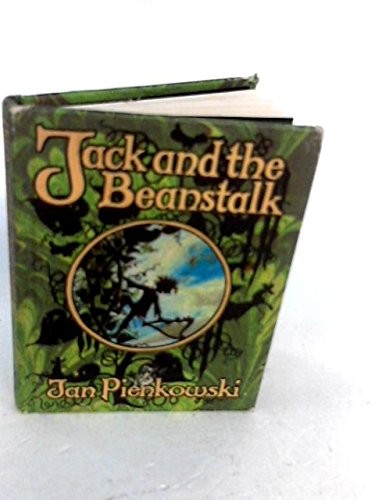
Check price of Jack and the Beanstalk on Amazon
What to Read Next
- The Three Little Pigs by Joseph Jacobs: another English folk tale
- Jim and the Beanstalk by Raymond Briggs: a funny modern retelling
- Jack and the Giant Killer by Joseph Jacobs: another Jack tale
Frequently Asked Questions
What is Jack and the Beanstalk about?
A boy climbs a magic beanstalk and outwits a giant.
Who wrote Jack and the Beanstalk?
It is a folk tale. Joseph Jacobs's 1890 version is the best known.
What does the giant say?
“Fee-fi-fo-fum, I smell the blood of an Englishman.”
What does Jack steal?
Gold, a hen that lays golden eggs and a magic harp.
How does the giant die?
Jack chops down the beanstalk, and the giant falls.
How many beans did Jack get?
Five, in Jacobs's version.
What age is it for?
About 3 and up.
Is Jack a thief?
In Jacobs's version, yes, though other versions justify his actions.
What is the moral?
It is debated, but many see it as courage and cleverness winning out.
Is Jack and the Beanstalk worth reading?
It depends on what you want. The book is best for young children and families who want a classic fairy tale to read or discuss. If that describes you, it is likely a good fit. If not, the titles under What to Read Next may suit you better.