
Disclosure: As an Amazon Associate, Bookish Wisdom earns from qualifying purchases. This doesn’t change our picks or your price.
Spoiler warning: This post explains the ending of Life of Pi in detail, including major twists. If you have not finished the book, stop here.
Quick answer: At the end of Life of Pi, Pi reaches Mexico after 227 days at sea, and Richard Parker, the tiger, vanishes into the jungle. Investigators doubt his story, so Pi offers a second version with humans instead of animals, and the officials note that the tiger corresponds to Pi himself.
Quick facts
Author: Yann Martel, published 2001
Genre: adventure and philosophical fiction
Main characters: Pi Patel, Richard Parker
Core twist: a second, human version of the story
Content: survival violence and cannibalism in the second story
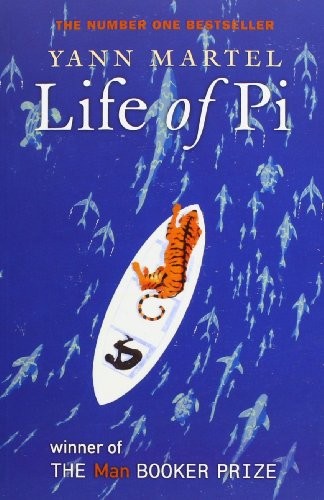
Life of Pi ends with a question: which story do you prefer? After 227 days adrift in a lifeboat with a tiger, Pi arrives in Mexico and tells two accounts of his ordeal to skeptical investigators. This post explains the two versions, how they correspond and what the choice means. Spoilers follow.
This post discusses violence and survival.
Check price of Life of Pi on Amazon
Table of Contents
What Happens at the End (Short Version)
Pi survives on a lifeboat with a Bengal tiger named Richard Parker after the ship Tsimtsum sinks. After a stop at a carnivorous floating island and many trials, the boat reaches Mexico. Richard Parker disappears into the jungle without looking back. Two officials from the Japanese Ministry of Transport interview Pi about the sinking and do not believe the animal story. Pi offers a second version without animals, in which the survivors are a sailor, a cook, his mother and himself. The cook kills the sailor and Pi’s mother, and Pi kills the cook. The officials note that the second story corresponds to the first and choose to report the one with the tiger.
The First Story: The Animals
In the first story, the lifeboat contains a zebra with a broken leg, a hyena, an orangutan and later Richard Parker. The hyena kills the zebra and the orangutan, and Richard Parker kills the hyena. Pi and the tiger share the boat. Pi trains the tiger, learns to fish and survive and finds a strange floating island of meerkats that is deadly at night.
The Second Story: The Humans
In the second version, the cook, a brutal man, murders a Taiwanese sailor and Pi’s mother. Pi eventually kills the cook. The story is shorter and darker, with no animals. Pi suggests that the animals in the first version correspond to the humans: the hyena to the cook, the zebra to the sailor, the orangutan to his mother and Richard Parker to Pi himself.
Which Story Is True?
The book never says. The officials cannot prove either story. Pi asks them which they prefer, and they choose the one with the tiger. The question is whether truth requires facts or whether a story can help us bear reality. Readers often interpret the second story as the ‘true’ one but find the first more meaningful.
Richard Parker’s Disappearance
When the boat lands in Mexico, Richard Parker leaves without a glance. Pi is hurt that the tiger did not say goodbye. If the tiger is Pi’s animal side, then the departure represents Pi returning to civilization and leaving behind the savagery he needed to survive. The scene is poignant and ambiguous.
The Frame Narrative
The novel is framed by an author who meets the adult Pi in Canada. The structure suggests that the story is a tale to ‘make you believe in God,’ a line that frames the book’s reflection on belief. The frame allows the ending to be understood as a conversation about faith and storytelling.
Clues and Foreshadowing
The book hints at the second story with details such as the cook’s brutality and the way the animals behave like humans. Pi’s compassion, his vegetarianism and his later willingness to kill reveal a transformation.
What Happens to Each Character
Pi survives and builds a life in Canada. Richard Parker disappears. The officials leave with a report that includes the animal story. The investigators’ conversation is the last scene.
Themes: Faith, Storytelling and Survival
The novel argues that stories and beliefs help us survive. It also explores how trauma can be transformed into narrative. Ang Lee’s 2012 film adaptation visualizes the animal story vividly.
Content Notes and Reading Tips
The second story includes cannibalism and murder, and the first includes animal violence. The book is often taught in schools but can be disturbing. Readers who enjoy philosophical adventure will find it rewarding.
How to Reread Life of Pi Knowing the Ending
Once you know how Life of Pi ends, a second read becomes a different book. Pay attention to the first chapters, where the author plants details that look harmless but later carry weight. Notice who gives information, who withholds it and which scenes are described in the most vivid detail, since those are often where the author is steering you. Mark lines that gain a second meaning, and compare your first-read impressions of each character with how you see them now. Many readers find that the ending does not spoil the book but deepens it, because what felt like plot on the first pass starts to look like design. Give yourself a few weeks between reads so that the details feel fresh.
Questions to Discuss After Finishing Life of Pi
- Which moment in Life of Pi changed how you saw the story, and why?
- Did the ending feel earned, or did it surprise you in a way that felt unfair?
- Which character’s choices did you understand best, and which frustrated you?
- What do you think the author wanted readers to take away?
- Would you change anything about the ending?
- How does the book’s setting shape its events?
- Which scene stayed with you after you finished?
- Who would you recommend Life of Pi to, and who might want to skip it?
How to Recommend Life of Pi Without Spoilers
If you want to recommend Life of Pi without ruining it, talk about the mood and the questions the book raises instead of the plot. Say whether it is fast or slow, funny or grim, and what kind of reader will enjoy it. Avoid saying ‘you will not see the end coming’ or ‘the twist is amazing,’ since both prime a reader to hunt for clues. If a friend has already started the book, ask what they think is happening and listen without correcting. Spoilers spread quickly online, so mute discussion threads until you finish. And if you do accidentally reveal something, apologize and suggest reading anyway; many readers find the journey still rewarding.
Why Endings Like This One Divide Readers
Endings divide readers because they carry the burden of everything that came before. A twist that delights one person can feel like a cheat to another, and an open ending can read as either bold or evasive. When you finish Life of Pi, it helps to ask what kind of satisfaction you wanted: justice, surprise, comfort or a lingering question. Authors who withhold closure are often trusting readers to carry the story forward, while authors who tie everything up are offering the pleasure of completion. Neither approach is better. The strongest endings feel inevitable in hindsight, as though the early chapters were quietly pointing toward them. If Life of Pi left you frustrated, try naming exactly what you missed. That exercise often turns irritation into insight and helps you choose books that match your taste.
Processing a Heavy Ending
Some endings, including the one in Life of Pi, leave a residue. If you feel unsettled, give yourself time before starting another book, or choose something light for a few days. Talking with a friend who has read it can help, as can writing down what you felt in a few sentences. If the book touched a personal experience, such as loss, abuse or illness, be gentle with yourself and step away from social media discussions that feel intense. Reading about hard subjects can build empathy and understanding, but it can also stir difficult feelings, and it is fine to stop or to return later. If something in the story brought up distress that does not pass, talking to a trusted person or professional is a good step.
What to Read After Life of Pi
After finishing Life of Pi, you may want something that echoes its mood or something that cleanses the palate. If you loved the suspense, look for authors who work in the same vein and read their most acclaimed titles first. If you wanted more character depth, try literary fiction with a similar theme. If the ending left you bleak, a funny novel or a cozy mystery can reset your reading mood. Libraries and bookstores often shelve read-alike recommendations near popular titles, and librarians are happy to help. Keep a short list of what worked for you in this book, whether pacing, voice or structure, and use it to guide your next pick.
Reading Journal Prompts for Life of Pi
If you like to process books in writing, try these prompts after finishing:
- Write three sentences about how you felt in the last chapter and one sentence about how you felt a day later.
- List the three moments that changed how you saw the story.
- Note a detail you would have missed without knowing the ending.
- Write a paragraph in the voice of the character you understood best.
- Describe what you would say to the author if you could ask one question.
- Rate the ending from one to five and explain what would have raised your score.
A Book Club Plan for Life of Pi
A book club discussion of Life of Pi works best when members share first reactions before debating details. Start with a quick round where each person gives the ending a score from one to five and says in one sentence why. Then move through three topics: the twist or central question, the characters’ choices and the author’s craft. Save the hardest question, such as whether the ending was fair or what really happened, for the middle of the evening, when everyone is warmed up. Close with a vote on the most interesting line or scene, and ask what each person will read next. If members disagree, encourage them to point to passages instead of only opinions. Serve something simple so the conversation stays the focus, and agree in advance that spoilers are welcome.
Books Like Life of Pi
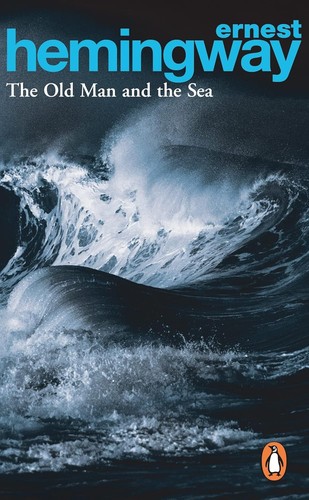
The Old Man and the Sea by Ernest Hemingway. An old fisherman battles a giant marlin.
Check price of The Old Man and the Sea on Amazon
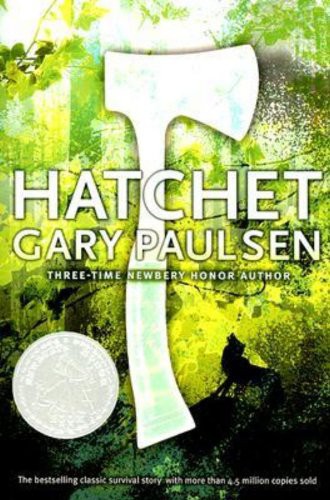
Hatchet by Gary Paulsen. A boy survives alone in the wilderness after a plane crash.
Check price of Hatchet on Amazon
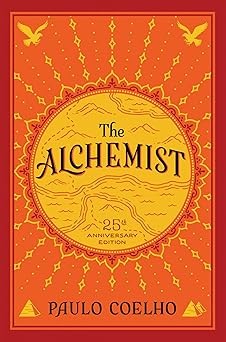
The Alchemist by Paulo Coelho. A shepherd journeys to find treasure and learns about following dreams.
Check price of The Alchemist on Amazon
Related: The Old Man and the Sea by Ernest Hemingway: Summary and Key Takeaways · Hatchet by Gary Paulsen: Summary and Key Takeaways
Frequently Asked Questions
What happens at the end of Life of Pi?
Pi reaches Mexico, the tiger leaves, and Pi tells investigators a second story with humans that parallels the first.
Which story is true?
The book does not say; the officials choose the story with the tiger.
Who is Richard Parker?
The tiger in the first story, who may represent Pi’s survival instinct.
What do the animals represent in the second story?
The hyena is the cook, the zebra the sailor, the orangutan Pi’s mother and the tiger Pi.
Is Life of Pi a true story?
No, it is fiction.
Is there a movie?
Yes, a 2012 film directed by Ang Lee.