
Disclosure: As an Amazon Associate, Bookish Wisdom earns from qualifying purchases. This doesn't change our picks or your price.
TL;DR: Cedric Errol, a kind, cheerful boy living with his mother in New York, learns that he is the heir to an English earldom. He travels to England to live with his grandfather, the proud, selfish Earl of Dorincourt, who dislikes Cedric's American mother. Cedric's goodness slowly softens the Earl's heart, even when a rival claimant threatens his inheritance.
Table of Contents
Little Lord Fauntleroy at a Glance
| Author | Frances Hodgson Burnett |
| First published | 1886 |
| Type | Children's novel |
| Best for | young readers who enjoy warm, old-fashioned stories about kindness |
Little Lord Fauntleroy is a children's novel by Frances Hodgson Burnett, published in 1886. It was a huge bestseller and influenced fashion for boys. Below you will find a part-by-part summary, five key takeaways, ideas worth remembering and a note on who will enjoy it.
Content note: Very gentle; includes family conflict.
Main Characters
- Cedric Errol: A kind, generous seven-year-old boy.
- Mrs. Errol (“Dearest”): Cedric's loving mother.
- The Earl of Dorincourt: Cedric's cold, proud grandfather.
- Mr. Hobbs: A New York grocer and Cedric's friend.
- Dick Tipton: A bootblack and friend of Cedric.
What Happens, Part by Part (Contains Spoilers)
New York
Cedric lives with his widowed mother in New York. His father was the son of an English earl, disowned for marrying an American. Cedric's friends include Mr. Hobbs, a grocer, and Dick, a bootblack.
An heir
A lawyer arrives to say that Cedric's uncles have died, making him heir to the Earl of Dorincourt. Cedric and his mother travel to England, but the Earl refuses to let his mother live in the castle.
The Earl
Cedric believes his grandfather is good and generous, and his trust slowly changes the Earl. The Earl begins helping his poor tenants because Cedric asks him to.
A rival
A woman appears claiming her son is the true heir, as the widow of Cedric's eldest uncle. The Earl is devastated at losing Cedric.
Truth
Dick Tipton recognizes the woman from a photograph and proves she is a fraud. Cedric's position is restored. The Earl reconciles with Cedric's mother, and they all live happily, with Mr. Hobbs moving to England too.
5 Key Takeaways
- Kindness can change even hard hearts.
- Children see the good in others.
- Family love matters more than pride.
- Honesty wins over deception.
- Generosity benefits everyone.
Ideas Worth Remembering
These are paraphrased, not direct quotes:
- Believing the best in someone can bring it out.
- Pride can keep families apart.
- Friendship crosses social class.
Who Should Read Little Lord Fauntleroy?
Read Little Lord Fauntleroy if you enjoy classic, warm-hearted children's stories. It suits readers about 8 to 12 and families reading together.
About Frances Hodgson Burnett
Frances Hodgson Burnett (1849–1924) was an English-American writer born in Manchester who moved to Tennessee as a teenager. She wrote to support her family and became one of the most popular authors of her time. Besides Little Lord Fauntleroy, she wrote The Secret Garden and A Little Princess, both still widely read and adapted today.
Questions to Think About After Reading
These prompts work for solo reading, a book club or a classroom discussion of Little Lord Fauntleroy:
- How does Cedric change his grandfather?
- Why does the Earl dislike Cedric's mother?
- How is the fraud discovered?
How to Use This Summary
Use this page as a quick reference before a book club meeting, an exam, or a decision about whether Little Lord Fauntleroy is worth your time. The takeaways are written to stand on their own. If a point interests you, go back to the book for the author's full story, characters and style, which no short summary can replace.
A Note on Accuracy and Spoilers
This summary is based on the published text of Little Lord Fauntleroy, not on any film, series or stage adaptation, which often change the story. Details are kept at the level of the main events so that nothing is invented. Editions differ slightly in length and wording, so page numbers and small details may vary between copies.
Should You Read the Book?
Yes, as a gentle classic. It is sentimental and old-fashioned, but its message of kindness is timeless.
Check price of Little Lord Fauntleroy on Amazon
What to Read Next
- The Secret Garden by Frances Hodgson Burnett: a lonely girl transforms a household
- A Little Princess by Frances Hodgson Burnett: a kind girl's fortunes change
- Heidi by Johanna Spyri: a child softens a grandfather's heart
Related: The Secret Garden by Frances Hodgson Burnett: Summary and Key Takeaways · A Little Princess by Frances Hodgson Burnett: Summary and Key Takeaways
Frequently Asked Questions
What is Little Lord Fauntleroy about?
A kind American boy becomes heir to an English earldom and softens his grandfather's heart.
Who wrote it?
Frances Hodgson Burnett, in 1886.
Who is Cedric Errol?
The boy who becomes Lord Fauntleroy.
Why does the Earl dislike Cedric's mother?
Because she is American and he disapproved of the marriage.
Who proves the rival claimant is a fraud?
Dick Tipton, the bootblack.
Did the book influence fashion?
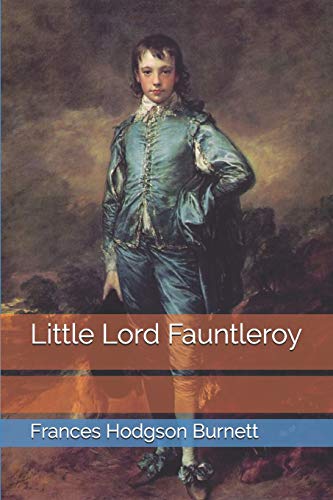
Yes, the velvet “Fauntleroy suit” became popular for boys.
What age is it for?
About 8 to 12.
How long is it?
About 200 pages.
Are there films?
Yes, including a 1936 film and a 1980 TV film.
Who is Mr. Hobbs?
A New York grocer and Cedric's friend.
Who are the main characters in Little Lord Fauntleroy?
The main characters are Cedric Errol, Mrs. Errol (“Dearest”), the Earl of Dorincourt, Mr. Hobbs and Dick Tipton. Cedric Errol: A kind, generous seven-year-old boy. Mrs. Errol (“Dearest”): Cedric's loving mother. The Earl of Dorincourt: Cedric's cold, proud grandfather.
Is Little Lord Fauntleroy worth reading?
It depends on what you want. The book is best for young readers who enjoy warm, old-fashioned stories about kindness. If that describes you, it is likely a good fit. If not, the titles under What to Read Next may suit you better.