
Disclosure: As an Amazon Associate, Bookish Wisdom earns from qualifying purchases. This doesn’t change our picks or your price.
Spoiler warning: This post explains the ending of Never Let Me Go in detail, including major twists. If you have not finished the book, stop here.
Quick answer: At the end of Never Let Me Go, Kathy learns that Hailsham was an experiment to prove clones have souls, that there is no deferral for donation and that Tommy and Ruth are gone. She stands at the edge of a field, imagining Tommy, and prepares to become a donor.
Quick facts
Author: Kazuo Ishiguro, published 2005
Genre: literary science fiction
Main characters: Kathy H., Tommy, Ruth, Miss Emily, Madame
Core revelation: students are clones raised for organ donation
Content: death, institutional cruelty and grief
Never Let Me Go is a quiet novel with a devastating premise. The students at Hailsham are raised to become organ donors, and the story follows three friends as they come to understand their fate. The ending offers no escape. This post explains what Kathy learns, what happens to Ruth and Tommy and why the final scene lingers. Spoilers follow.
This post discusses death and grief.
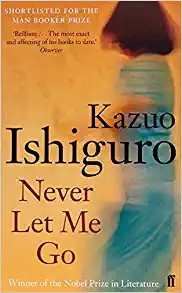
Check price of Never Let Me Go on Amazon
Table of Contents
What Happens at the End (Short Version)
Years after Hailsham, Kathy becomes a carer for donors, including her friends Ruth and Tommy. Ruth completes, meaning she dies after her donation, and before she does, she helps Kathy and Tommy seek a deferral they believe is available for couples who are truly in love. They visit Madame and Miss Emily, who explain that no such deferral exists: Hailsham was an experiment to show that clones had souls, and it was shut down. Tommy completes after his fourth donation. At the end, Kathy stops at a field near Norfolk and imagines Tommy appearing in the distance, before driving on toward her future as a donor.
What Kathy Learns About Hailsham
Hailsham was designed to give clones a childhood with art and kindness, to prove to the public that they were human. The reformers lost, and clones were returned to harsher institutions. Miss Emily explains that the school was an attempt to improve things, but it failed to change the system. The truth is both sad and revealing: the students were treated better than most, but only to make the world feel better about itself.
The Rumor of the Deferral
Students at Hailsham believe that couples who can prove they are in love may defer their donations for a few years. Ruth tells Kathy and Tommy this, and they cling to it as a hope. At the end, Madame and Miss Emily say the rumor is false, a story told to give comfort. The loss of this hope is the emotional blow of the final act.
Ruth and Tommy
Ruth, the strong-willed friend, comes to regret how she separated Kathy and Tommy. On her deathbed, she tries to make amends. Tommy, gentle and creative, dies after his fourth donation, with Kathy by his side. Their stories show a love that cannot be saved by anything but acceptance.
The Final Scene at the Field
Kathy drives to a field in Norfolk, a place where lost things are said to wash up. She imagines Tommy there, then returns to her car and goes on. The scene is quiet, with no dramatic conclusion. It reflects Kathy’s acceptance of her fate and the way she carries memory.
Why There Is No Escape
Unlike many dystopias, there is no rebellion. The characters do not attempt to flee. Ishiguro suggests that they have been conditioned to accept their lives and to see the donation system as natural. The horror is in how ordinary it seems. The novel also asks readers why we accept comfort built on others’ suffering.
Clues and Foreshadowing
The students’ obsession with their ‘possibles,’ the rule against leaving, the emphasis on art and the use of the word ‘completes’ are early hints. The hushed way the guardians behave around them foreshadows the truth.
What Happens to Each Character
Ruth and Tommy are dead. Kathy continues as a carer and expects to become a donor soon. Madame and Miss Emily live with guilt. The system continues.
Themes: Memory, Mortality and Humanity
The book examines what makes a person human: love, art, memory. It also looks at the way societies hide cruelty. The film adaptation, released in 2010, captures the muted tone, though the novel’s narration gives more interior depth.
Content Notes and Reading Tips
The book deals with death, bodily harm and emotional grief. It is slow-paced and reflective, rewarding readers who like character-driven stories. If you prefer action-oriented dystopias, you may find it too quiet.
How to Reread Never Let Me Go Knowing the Ending
Once you know how Never Let Me Go ends, a second read becomes a different book. Pay attention to the first chapters, where the author plants details that look harmless but later carry weight. Notice who gives information, who withholds it and which scenes are described in the most vivid detail, since those are often where the author is steering you. Mark lines that gain a second meaning, and compare your first-read impressions of each character with how you see them now. Many readers find that the ending does not spoil the book but deepens it, because what felt like plot on the first pass starts to look like design. Give yourself a few weeks between reads so that the details feel fresh.
Questions to Discuss After Finishing Never Let Me Go
- Which moment in Never Let Me Go changed how you saw the story, and why?
- Did the ending feel earned, or did it surprise you in a way that felt unfair?
- Which character’s choices did you understand best, and which frustrated you?
- What do you think the author wanted readers to take away?
- Would you change anything about the ending?
- How does the book’s setting shape its events?
- Which scene stayed with you after you finished?
- Who would you recommend Never Let Me Go to, and who might want to skip it?
How to Recommend Never Let Me Go Without Spoilers
If you want to recommend Never Let Me Go without ruining it, talk about the mood and the questions the book raises instead of the plot. Say whether it is fast or slow, funny or grim, and what kind of reader will enjoy it. Avoid saying ‘you will not see the end coming’ or ‘the twist is amazing,’ since both prime a reader to hunt for clues. If a friend has already started the book, ask what they think is happening and listen without correcting. Spoilers spread quickly online, so mute discussion threads until you finish. And if you do accidentally reveal something, apologize and suggest reading anyway; many readers find the journey still rewarding.
Why Endings Like This One Divide Readers
Endings divide readers because they carry the burden of everything that came before. A twist that delights one person can feel like a cheat to another, and an open ending can read as either bold or evasive. When you finish Never Let Me Go, it helps to ask what kind of satisfaction you wanted: justice, surprise, comfort or a lingering question. Authors who withhold closure are often trusting readers to carry the story forward, while authors who tie everything up are offering the pleasure of completion. Neither approach is better. The strongest endings feel inevitable in hindsight, as though the early chapters were quietly pointing toward them. If Never Let Me Go left you frustrated, try naming exactly what you missed. That exercise often turns irritation into insight and helps you choose books that match your taste.
Processing a Heavy Ending
Some endings, including the one in Never Let Me Go, leave a residue. If you feel unsettled, give yourself time before starting another book, or choose something light for a few days. Talking with a friend who has read it can help, as can writing down what you felt in a few sentences. If the book touched a personal experience, such as loss, abuse or illness, be gentle with yourself and step away from social media discussions that feel intense. Reading about hard subjects can build empathy and understanding, but it can also stir difficult feelings, and it is fine to stop or to return later. If something in the story brought up distress that does not pass, talking to a trusted person or professional is a good step.
What to Read After Never Let Me Go
After finishing Never Let Me Go, you may want something that echoes its mood or something that cleanses the palate. If you loved the suspense, look for authors who work in the same vein and read their most acclaimed titles first. If you wanted more character depth, try literary fiction with a similar theme. If the ending left you bleak, a funny novel or a cozy mystery can reset your reading mood. Libraries and bookstores often shelve read-alike recommendations near popular titles, and librarians are happy to help. Keep a short list of what worked for you in this book, whether pacing, voice or structure, and use it to guide your next pick.
Reading Journal Prompts for Never Let Me Go
If you like to process books in writing, try these prompts after finishing:
- Write three sentences about how you felt in the last chapter and one sentence about how you felt a day later.
- List the three moments that changed how you saw the story.
- Note a detail you would have missed without knowing the ending.
- Write a paragraph in the voice of the character you understood best.
- Describe what you would say to the author if you could ask one question.
- Rate the ending from one to five and explain what would have raised your score.
A Book Club Plan for Never Let Me Go
A book club discussion of Never Let Me Go works best when members share first reactions before debating details. Start with a quick round where each person gives the ending a score from one to five and says in one sentence why. Then move through three topics: the twist or central question, the characters’ choices and the author’s craft. Save the hardest question, such as whether the ending was fair or what really happened, for the middle of the evening, when everyone is warmed up. Close with a vote on the most interesting line or scene, and ask what each person will read next. If members disagree, encourage them to point to passages instead of only opinions. Serve something simple so the conversation stays the focus, and agree in advance that spoilers are welcome.
Books Like Never Let Me Go
The Remains of the Day by Kazuo Ishiguro. A butler reflects on duty and regret.
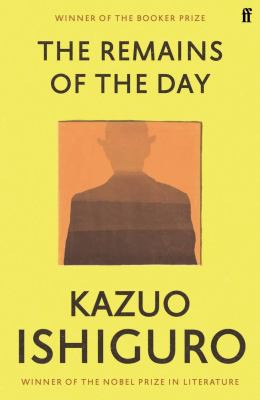
Check price of The Remains of the Day on Amazon
The Handmaid’s Tale by Margaret Atwood. A dystopian novel about a theocratic regime.
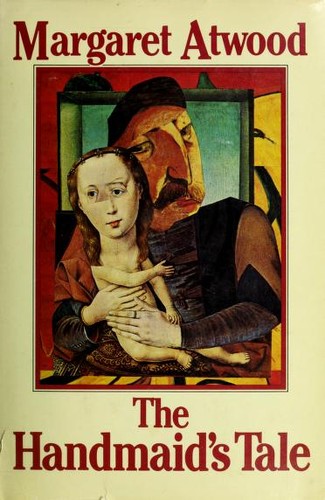
Check price of The Handmaid’s Tale on Amazon
Klara and the Sun by Kazuo Ishiguro. An artificial friend observes the humans she serves.
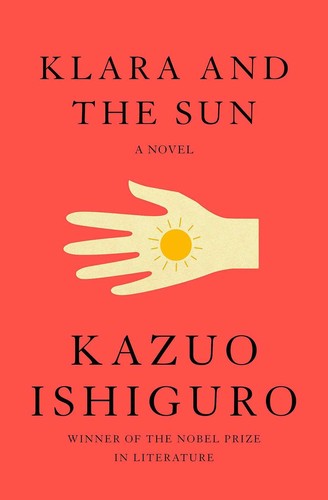
Check price of Klara and the Sun on Amazon
Related: 15 Books Like Never Let Me Go You’ll Love
Frequently Asked Questions
What is the twist in Never Let Me Go?
The students are clones raised to donate organs.
Is there a deferral?
No. It is a rumor with no basis.
What happens to Tommy?
He dies after his fourth donation.
Why was Hailsham created?
To show that clones had souls and deserved humane treatment.
Does Kathy escape?
No. She accepts her fate as a donor.
Is there a movie?
Yes, a 2010 film with Carey Mulligan and Andrew Garfield.