
Disclosure: As an Amazon Associate, Bookish Wisdom earns from qualifying purchases. This doesn't change our picks or your price.
TL;DR: Margaret Hale leaves the quiet south of England for the mill town of Milton, an industrial city in the north. There she clashes with the proud mill owner John Thornton and sees how workers and masters live. Her views and his both shift as they come to understand each other.
Table of Contents
North and South at a Glance
| Author | Elizabeth Gaskell |
| First published | 1855 |
| Type | Victorian social novel and romance |
| Best for | readers who like classic romance with real social stakes |
North and South is a novel by Elizabeth Gaskell, first published in 1855. The novel first appeared in installments in the magazine Household Words and was published as a book in 1855. It is often read as both a love story and a portrait of the industrial revolution. Below you will find a part-by-part summary, five key takeaways, a few ideas worth remembering and a note on who will enjoy it most. The part-by-part section gives away the plot, including the ending, so skip it if you have not read the book yet.
What Happens, Part by Part (Contains Spoilers)
Leaving the south
Margaret grew up partly in London and then in the village of Helstone. When her father, a clergyman, leaves the Church over a matter of conscience, the family moves to Milton, a manufacturing town.
A new world
Milton is loud, smoky and busy. Margaret makes friends with Bessy Higgins, a mill worker with a lung illness, and her father Nicholas Higgins, who sees the workers' point of view.
Margaret and Thornton
John Thornton is a self-made mill owner who becomes a student of Margaret's father. He is attracted to Margaret, but she finds him stern and proud, and a misunderstanding grows between them.
The strike
Tensions between workers and owners explode into a strike. Margaret tries to protect Thornton from an angry crowd and is hurt, and her action leads to gossip and confusion about her feelings.
Loss and secrets
Margaret's mother and others close to her die, and she must keep a family secret involving her brother. Her moral compass is tested, and she ends up alone with more responsibility than before.
Reconciliation
Years pass, and Margaret's circumstances change when she receives an inheritance. Thornton's business is in trouble, and in the end the two face their pride and prejudice. The novel closes with their understanding.
5 Key Takeaways
- Pride and prejudice can be overcome by honest conversation.
- Workers and owners both have legitimate concerns, and sympathy has to run in both directions.
- Moral courage sometimes means breaking social expectations.
- Wealth does not guarantee wisdom or kindness.
- Place shapes character, and a person can grow by moving to a new world.
Ideas Worth Remembering
These are paraphrased, not direct quotes:
- The title is about more than geography: it also describes two ways of seeing the world.
- Gaskell treats the working poor as full characters, not as background.
- The love story depends on both people changing, not just one.
Who Should Read North and South?
Read it if you like Jane Austen or Charles Dickens and want a mix of romance and social history. Some chapters on industrial relations are slow, but the payoff is strong.
Questions to Think About After Reading
These prompts work for solo reading, a book club or a classroom discussion of North and South:
- Which character did you understand best, and what did the author do to make you feel that way?
- Which scene would you change, and what would that do to the ending?
- What does the book say about its main theme that you agree or disagree with?
Quick Facts to Remember
- Book: North and South by Elizabeth Gaskell (1855)
- Type: Victorian social novel and romance
- Best for: readers who like classic romance with real social stakes
- Main idea in one line: Pride and prejudice can be overcome by honest conversation.
Reading Time and Format
Novels differ a lot in length and pace, so check the page count of your edition before you start. If you prefer to listen, many public libraries lend audiobooks through free apps, and a narrated edition can suit a long novel well.
How to Use This Summary
Use this page as a quick reference before a book club meeting, an exam, or a decision about whether North and South is worth your time. The takeaways are written to stand on their own. If a point interests you, go back to the book for the author's full argument, examples and style, which no short summary can carry.
A Note on Accuracy and Spoilers
This summary is based on the published text of North and South, not on any film, series or stage adaptation, which often change the story. Details are kept at the level of the main events so that nothing is invented. Editions differ slightly in length and wording, so page numbers and small details may vary from your copy.
Should You Read the Book?
If you plan to read it, set aside a few evenings and read the opening chapters before you decide. A summary tells you what happens, but the voice and pacing are what make a novel work or not.
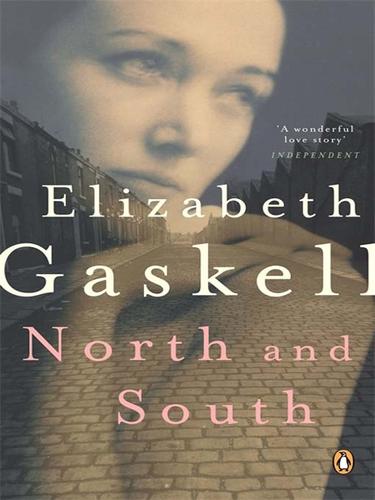
Check price of North and South on Amazon
What to Read Next
- Pride and Prejudice by Jane Austen: the classic story of pride and misunderstanding
- Hard Times by Charles Dickens: Dickens's novel about industrial England
- Wives and Daughters by Elizabeth Gaskell: Gaskell's last novel about a quiet English town
Related: 15 Books Like North and South You’ll Love
Frequently Asked Questions
Is North and South a love story?
Yes, but it is also a social novel about class and work in industrial England.
Who wrote North and South?
Elizabeth Gaskell, a Victorian English novelist.
Is there a TV adaptation?
Yes. A BBC miniseries aired in 2004 and is well loved.
Is it related to the American novel of the same name?
No. John Jakes also wrote a novel with this title about the American Civil War, but that is a different book.
Is North and South worth reading?
It depends on what you want. The book is best for readers who like classic romance with real social stakes. If that describes you, it is likely a good fit. If not, the titles under What to Read Next may suit you better.
Can this summary replace reading North and South?
No. A summary covers the main events and ideas, but it cannot carry the author's voice, detail or pacing. Use it to decide whether to read the book, to refresh your memory or to prepare for a discussion.