
Disclosure: As an Amazon Associate, Bookish Wisdom earns from qualifying purchases. This doesn’t change our picks or your price.
Spoiler warning: This post explains the ending of Of Mice and Men in detail, including major twists. If you have not finished the book, stop here.
Quick answer: At the end of Of Mice and Men, George shoots Lennie by the river after Lennie accidentally kills Curley’s wife, sparing him a violent lynching by Curley and the other men. George tells Lennie about their dream farm as he does it, and Slim comforts him afterward.
Quick facts
Author: John Steinbeck, published 1937
Genre: American classic novella
Main characters: George Milton, Lennie Small, Curley, Curley’s wife, Slim
Core event: George kills Lennie
Content: violence, ableism and racist language
Of Mice and Men is a short novella with a devastating ending. George and Lennie, two migrant workers with a dream of owning a farm, lose everything when Lennie’s strength and limited understanding lead to tragedy. This post explains the final events, why George does what he does and what the ending says about friendship and dreams. Spoilers follow.
This post discusses violence and the killing of a person with an intellectual disability.
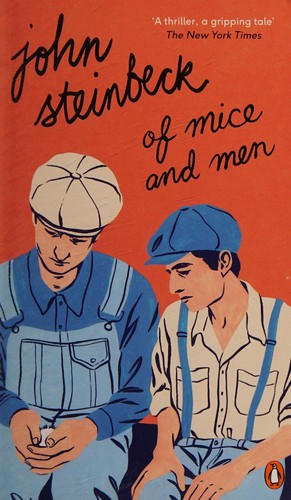
Check price of Of Mice and Men on Amazon
Table of Contents
What Happens at the End (Short Version)
Lennie, who has accidentally broken the neck of Curley’s wife, flees to the brush by the Salinas River, where George told him to hide if there was trouble. The ranch men, led by Curley, hunt for him. George reaches him first. As the voices of the mob grow closer, George asks Lennie to look across the river and describes the farm they will have, with rabbits to tend. While Lennie happily imagines it, George shoots him in the back of the head. Slim, who arrives with the others, understands and comforts George, while Carlson and Curley do not.
Why George Shoots Lennie
George knows that if Curley’s men catch Lennie, they will lynch or torture him. He also knows that Lennie cannot survive on his own and may hurt someone else. By killing Lennie himself, George gives him a gentle death, free from fear. The act is both an act of love and an acknowledgment that their dream is lost. George later says nothing, and his silence conveys his grief.
Curley’s Wife and the Accident
Lennie’s love of soft things leads him to touch her hair. When she panics, he holds her too tightly and breaks her neck. The scene is tragic rather than villainous: Lennie does not understand his strength or the consequences. The book makes readers sympathize with Lennie even as it recognizes the harm.
The Dream of the Farm
George and Lennie’s dream of owning a small farm and living off the land gives them hope. Candy, an old ranch hand, wants to join them. The dream collapses after the killing, showing how fragile the dreams of poor workers are. It also symbolizes the American Dream and its inaccessibility to those at society’s margins.
Slim’s Role
Slim, the respected mule driver, is the only one who understands George. He assures George he had no choice and leads him away. Slim represents compassion and wisdom in a hard world. His quiet comfort contrasts with Carlson’s callousness.
The Title and Burns’s Poem
The title comes from a poem by Robert Burns about the best-laid plans of mice and men going astray. The ending enacts that idea. George and Lennie’s plans are undone by chance, human weakness and an unforgiving society.
Clues and Foreshadowing
The shooting of Candy’s dog earlier in the book foreshadows Lennie’s fate: an old, helpless creature is killed ‘for his own good.’ Lennie’s accidental killing of the mouse and the puppy hints at the larger danger. The opening scene by the river is repeated at the end, framing the story.
What Happens to Each Character
Lennie is dead. George is left alone and haunted. Curley is furious. Candy loses his dream. Slim remains a calm presence. The ranch goes on, indifferent.
Themes: Friendship, Powerlessness and Mercy
The novella explores the bond between two men who look out for each other and the cost of that loyalty. It also portrays the powerlessness of migrant workers in the Great Depression, the treatment of people with disabilities and the way dreams sustain people. The ending is a moral dilemma that readers still debate.
Content Notes and Teaching the Book
The book contains racist language and depictions, violence, and the killing of a person with an intellectual disability. It is a staple of school curricula, and teachers often pair it with discussions of context and language. Readers should be aware of its use of offensive terms.
How to Reread Of Mice and Men Knowing the Ending
Once you know how Of Mice and Men ends, a second read becomes a different book. Pay attention to the first chapters, where the author plants details that look harmless but later carry weight. Notice who gives information, who withholds it and which scenes are described in the most vivid detail, since those are often where the author is steering you. Mark lines that gain a second meaning, and compare your first-read impressions of each character with how you see them now. Many readers find that the ending does not spoil the book but deepens it, because what felt like plot on the first pass starts to look like design. Give yourself a few weeks between reads so that the details feel fresh.
Questions to Discuss After Finishing Of Mice and Men
- Which moment in Of Mice and Men changed how you saw the story, and why?
- Did the ending feel earned, or did it surprise you in a way that felt unfair?
- Which character’s choices did you understand best, and which frustrated you?
- What do you think the author wanted readers to take away?
- Would you change anything about the ending?
- How does the book’s setting shape its events?
- Which scene stayed with you after you finished?
- Who would you recommend Of Mice and Men to, and who might want to skip it?
How to Recommend Of Mice and Men Without Spoilers
If you want to recommend Of Mice and Men without ruining it, talk about the mood and the questions the book raises instead of the plot. Say whether it is fast or slow, funny or grim, and what kind of reader will enjoy it. Avoid saying ‘you will not see the end coming’ or ‘the twist is amazing,’ since both prime a reader to hunt for clues. If a friend has already started the book, ask what they think is happening and listen without correcting. Spoilers spread quickly online, so mute discussion threads until you finish. And if you do accidentally reveal something, apologize and suggest reading anyway; many readers find the journey still rewarding.
Why Endings Like This One Divide Readers
Endings divide readers because they carry the burden of everything that came before. A twist that delights one person can feel like a cheat to another, and an open ending can read as either bold or evasive. When you finish Of Mice and Men, it helps to ask what kind of satisfaction you wanted: justice, surprise, comfort or a lingering question. Authors who withhold closure are often trusting readers to carry the story forward, while authors who tie everything up are offering the pleasure of completion. Neither approach is better. The strongest endings feel inevitable in hindsight, as though the early chapters were quietly pointing toward them. If Of Mice and Men left you frustrated, try naming exactly what you missed. That exercise often turns irritation into insight and helps you choose books that match your taste.
Processing a Heavy Ending
Some endings, including the one in Of Mice and Men, leave a residue. If you feel unsettled, give yourself time before starting another book, or choose something light for a few days. Talking with a friend who has read it can help, as can writing down what you felt in a few sentences. If the book touched a personal experience, such as loss, abuse or illness, be gentle with yourself and step away from social media discussions that feel intense. Reading about hard subjects can build empathy and understanding, but it can also stir difficult feelings, and it is fine to stop or to return later. If something in the story brought up distress that does not pass, talking to a trusted person or professional is a good step.
What to Read After Of Mice and Men
After finishing Of Mice and Men, you may want something that echoes its mood or something that cleanses the palate. If you loved the suspense, look for authors who work in the same vein and read their most acclaimed titles first. If you wanted more character depth, try literary fiction with a similar theme. If the ending left you bleak, a funny novel or a cozy mystery can reset your reading mood. Libraries and bookstores often shelve read-alike recommendations near popular titles, and librarians are happy to help. Keep a short list of what worked for you in this book, whether pacing, voice or structure, and use it to guide your next pick.
Reading Journal Prompts for Of Mice and Men
If you like to process books in writing, try these prompts after finishing:
- Write three sentences about how you felt in the last chapter and one sentence about how you felt a day later.
- List the three moments that changed how you saw the story.
- Note a detail you would have missed without knowing the ending.
- Write a paragraph in the voice of the character you understood best.
- Describe what you would say to the author if you could ask one question.
- Rate the ending from one to five and explain what would have raised your score.
A Book Club Plan for Of Mice and Men
A book club discussion of Of Mice and Men works best when members share first reactions before debating details. Start with a quick round where each person gives the ending a score from one to five and says in one sentence why. Then move through three topics: the twist or central question, the characters’ choices and the author’s craft. Save the hardest question, such as whether the ending was fair or what really happened, for the middle of the evening, when everyone is warmed up. Close with a vote on the most interesting line or scene, and ask what each person will read next. If members disagree, encourage them to point to passages instead of only opinions. Serve something simple so the conversation stays the focus, and agree in advance that spoilers are welcome.
Books Like Of Mice and Men
The Grapes of Wrath by John Steinbeck. A family leaves the Dust Bowl for California during the Great Depression.
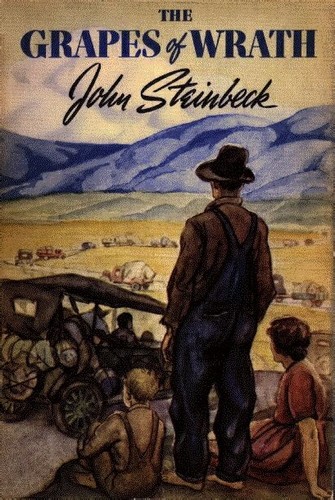
Check price of The Grapes of Wrath on Amazon
To Kill a Mockingbird by Harper Lee. A lawyer defends a Black man in the Depression-era South.
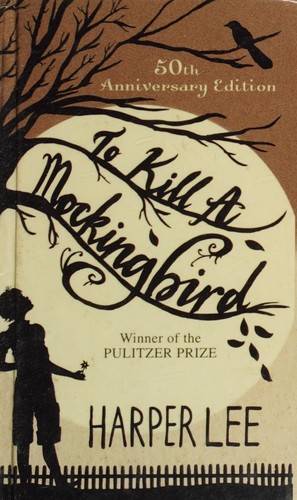
Check price of To Kill a Mockingbird on Amazon
The Old Man and the Sea by Ernest Hemingway. An old fisherman battles a giant marlin.
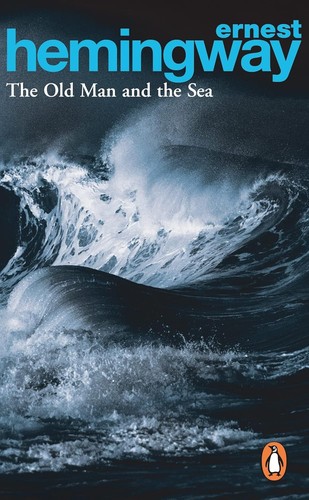
Check price of The Old Man and the Sea on Amazon
Related: 15 Books Like Of Mice and Men You’ll Love · What Age Is Of Mice and Men Appropriate For? A Parent’s Guide
Frequently Asked Questions
Why does George shoot Lennie?
To spare him from a violent death at the hands of Curley’s mob and from a life he could not survive.
What does Slim say to George?
He tells George he had to do it and leads him away.
What is the dream farm?
George and Lennie’s dream of owning land and raising rabbits.
Who kills Curley’s wife?
Lennie, accidentally, by breaking her neck.
Why is the book called Of Mice and Men?
It comes from a Robert Burns poem about plans going astray.
Is the book appropriate for school?
It is widely taught but includes strong language and violence.