
Disclosure: As an Amazon Associate, Bookish Wisdom earns from qualifying purchases. This doesn't change our picks or your price.
TL;DR: After his mother dies, thirteen-year-old Joel Knox is sent from New Orleans to Skully's Landing, a decaying mansion in rural Mississippi, to live with the father he has never met. There he finds a strange household: his stepmother, her eccentric cousin Randolph, and a father he is not allowed to see, as Joel searches for love and identity.
Table of Contents
Other Voices, Other Rooms at a Glance
| Author | Truman Capote |
| First published | 1948 |
| Type | Novel |
| Best for | readers who enjoy Southern Gothic and dreamlike coming-of-age stories |
Other Voices, Other Rooms is the first novel of Truman Capote, published in 1948 when he was twenty-three. It is a lyrical, mysterious Southern Gothic story. Below you will find a part-by-part summary, five key takeaways, ideas worth remembering and a note on who will enjoy it.
Content note: Includes neglect, a disabled parent and themes of identity and sexuality.
Main Characters
- Joel Harrison Knox: A sensitive thirteen-year-old boy.
- Randolph: Joel's eccentric, artistic cousin.
- Amy: Joel's stepmother, Randolph's cousin.
- Idabel Thompkins: A bold tomboy who becomes Joel's friend.
- Edward R. Sansom: Joel's father, paralyzed and unable to speak.
What Happens, Part by Part (Contains Spoilers)
Arrival
Joel receives a letter inviting him to live with his father at Skully's Landing. He makes the long trip and finds a crumbling old house in the swampy countryside. He is welcomed by his stepmother, Amy, but not allowed to see his father.
The house
Joel is fascinated by the strange household. He glimpses a mysterious lady at a window. Randolph, a languid, artistic man, spends his days painting and drinking. Two servants, an elderly man and his granddaughter Zoo, live nearby.
The truth about his father
Joel finally meets his father and learns he is paralyzed and cannot speak, communicating only by dropping tennis balls. Joel discovers that Randolph wrote the letter inviting him there, and that his father was injured in a shooting involving Randolph.
Idabel
Joel befriends Idabel, a fierce tomboy, and they plan to run away together. At a traveling fair, they meet a little woman, Miss Wisteria. A storm traps them, and Joel falls ill with fever.
Choosing
When Joel recovers, he understands that Randolph is lonely and needs him. In the last scene, Joel looks back at the house and sees the mysterious figure in the window beckoning to him. He walks toward it, accepting who he is and where he belongs.
5 Key Takeaways
- Growing up means facing hidden truths.
- Loneliness can shape whole lives.
- Identity is often discovered, not chosen.
- Families can be strange and broken, yet still home.
- The past haunts the present.
Ideas Worth Remembering
These are paraphrased, not direct quotes:
- Everyone is looking for someone who will love them.
- Houses can hold the secrets of a family.
- Accepting yourself can be a quiet turning point.
Who Should Read Other Voices, Other Rooms?
Read Other Voices, Other Rooms if you enjoy Southern Gothic, lyrical prose and mysterious coming-of-age stories. It suits older teens and adults.
Questions to Think About After Reading
These prompts work for solo reading, a book club or a classroom discussion of Other Voices, Other Rooms:
- Why did Randolph bring Joel to the Landing?
- What does the figure in the window mean?
- How does Joel change?
How to Use This Summary
Use this page as a quick reference before a book club meeting, an exam, or a decision about whether Other Voices, Other Rooms is worth your time. The takeaways are written to stand on their own. If a point interests you, go back to the book for the author's full story, characters and style, which no short summary can replace.
A Note on Accuracy and Spoilers
This summary is based on the published text of Other Voices, Other Rooms, not on any film, series or stage adaptation, which often change the story. Details are kept at the level of the main events so that nothing is invented. Editions differ slightly in length and wording, so page numbers and small details may vary between copies.
Should You Read the Book?
Yes, if you like atmosphere and poetic writing. It is dreamy and strange, and shows Capote's early talent.
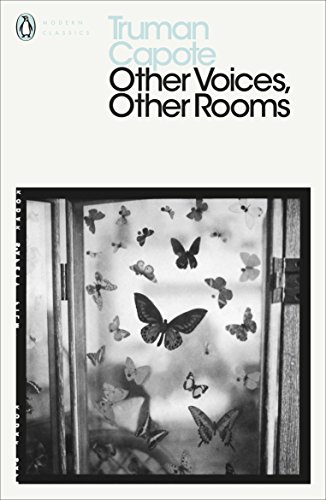
Check price of Other Voices, Other Rooms on Amazon
What to Read Next
- The Member of the Wedding by Carson McCullers: a lonely Southern child
- To Kill a Mockingbird by Harper Lee: childhood in the South
- Breakfast at Tiffany's by Truman Capote: Capote's famous novella
Related: Breakfast at Tiffany’s by Truman Capote: Summary and Key Takeaways
Frequently Asked Questions
What is Other Voices, Other Rooms about?
A boy goes to live in a decaying Southern mansion and discovers strange family secrets.
Who wrote it?
Truman Capote, in 1948.
Who is Randolph?
Joel's eccentric cousin, who wrote the letter inviting him.
What happened to Joel's father?
He was shot and paralyzed.
Who is Idabel?
A tomboy who becomes Joel's friend.
Is it based on Capote's life?
Partly. Idabel is based on his friend Harper Lee.
What age is it for?
Older teens and adults.
How long is it?
About 230 pages.
Where is it set?
At Skully's Landing in rural Mississippi.
What genre is it?
Southern Gothic.
Why was the author photo famous?
Capote's provocative jacket photo caused a stir when it was published.
Who are the main characters in Other Voices, Other Rooms?
The main characters are Joel Harrison Knox, Randolph, Amy, Idabel Thompkins and Edward R. Sansom. Joel Harrison Knox: A sensitive thirteen-year-old boy. Randolph: Joel's eccentric, artistic cousin. Amy: Joel's stepmother, Randolph's cousin.
Is Other Voices, Other Rooms worth reading?
It depends on what you want. The book is best for readers who enjoy Southern Gothic and dreamlike coming-of-age stories. If that describes you, it is likely a good fit. If not, the titles under What to Read Next may suit you better.