
Disclosure: As an Amazon Associate, Bookish Wisdom earns from qualifying purchases. This doesn't change our picks or your price.
Quick answer: The best quotes from A Farewell to Arms by Ernest Hemingway include “In the late summer of that year we lived in a house in a village that looked across the river and the plain to the mountains.” and “Abstract words such as glory, honor, courage, or hallow were obscene beside the concrete names of villages, the numbers of roads, the names of rivers, the numbers of regiments and the dates.” Below are 5 of the most memorable lines, with who says them, where they come from and what they mean.
Quick facts
- Book: A Farewell to Arms by Ernest Hemingway
- First published: 1929
- Quotes covered: 5
- Best for: essays, captions, book club talks and rereads
Table of Contents
What A Farewell to Arms Is About
Frederic Henry, an American ambulance driver serving with the Italian army in World War I, falls in love with Catherine Barkley, an English nurse. After he is wounded, she cares for him in a hospital in Milan, and their affair deepens. Back at the front, Frederic is caught up in the chaotic retreat from Caporetto. He deserts, finds Catherine and escapes with her across a lake to Switzerland, hoping for a peaceful life.
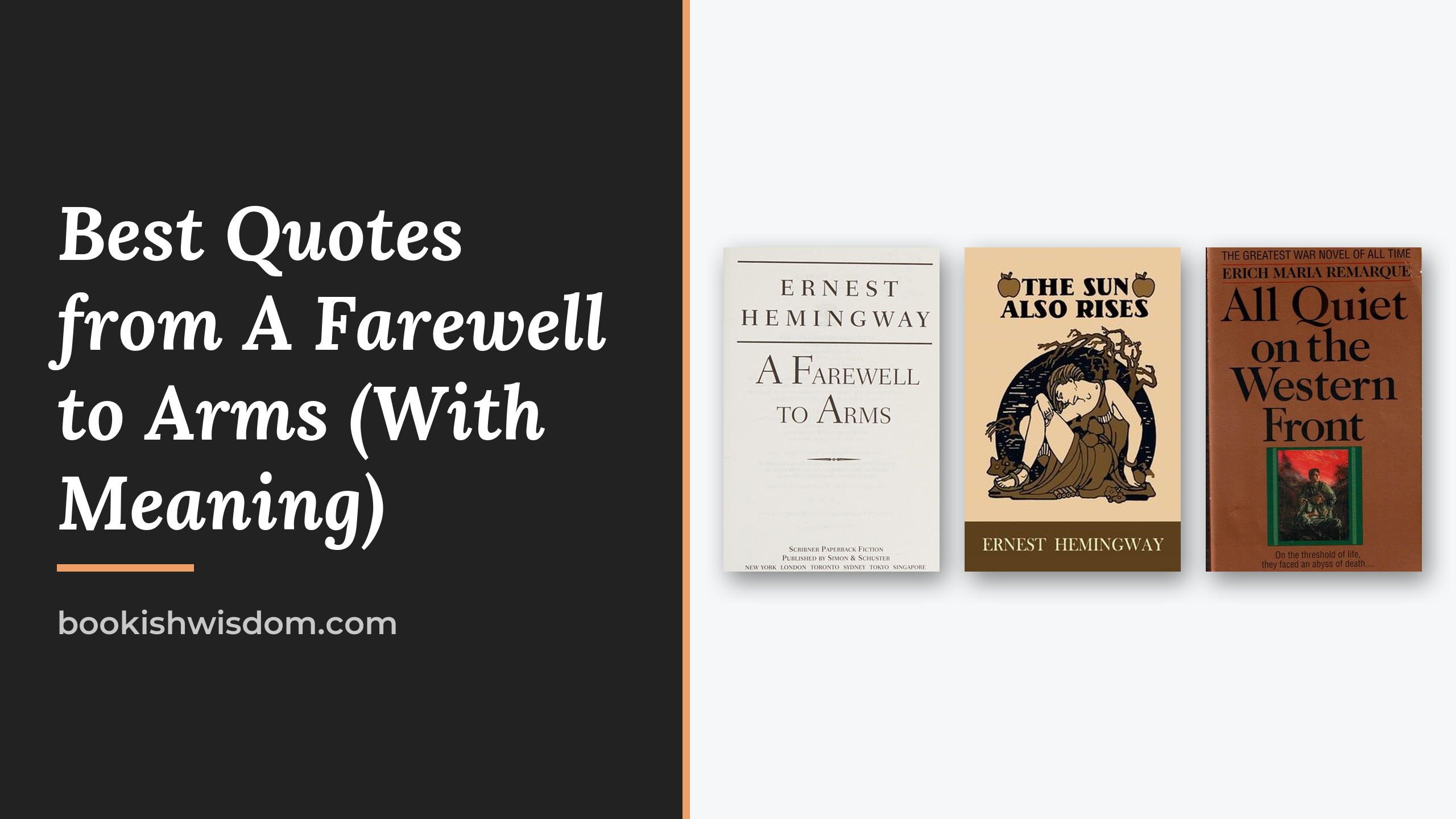
Check price of A Farewell to Arms on Amazon
The Best Quotes from A Farewell to Arms, Explained
1. “In the late summer of that year we lived in a house in a village that looked across the river and the plain to the mountains.”
Opening line. Hemingway's opening is calm and simple, but the war is everywhere nearby. The plain style hides strong feeling under the surface.
2. “Abstract words such as glory, honor, courage, or hallow were obscene beside the concrete names of villages, the numbers of roads, the names of rivers, the numbers of regiments and the dates.”
Frederic. Frederic has lost faith in the grand language used to sell war. Only real places and numbers feel honest after what he has seen.
3. “The world breaks every one and afterward many are strong at the broken places.”
Frederic. This is the novel's most quoted line. Pain can make people stronger, but the next sentences warn that the world also kills the very good and the very brave.
4. “It kills the very good and the very gentle and the very brave impartially.”
Frederic, continuing. The second half of the passage is darker than the famous first part. Hemingway insists that suffering is not fair and does not choose its victims.
5. “After a while I went out and left the hospital and walked back to the hotel in the rain.”
Final line. The ending is flat and quiet. Hemingway famously rewrote it many times, and its restraint makes the loss feel even heavier.
Why These Lines Stay With Readers
A Farewell to Arms is one of the great novels about war and love. Its lines are short and plain, yet they hold huge emotion, which makes them popular in essays about loss, courage and the language of war.
How to Use These Quotes
- In an essay: introduce the quote, give its context in one sentence, then explain how it supports your point.
- For a book club: read one line aloud and ask whether everyone agrees with the speaker.
- For a caption or card: pick a short line and credit Ernest Hemingway and A Farewell to Arms.
- For a reread: look for the moment each line appears and notice what changes around it.
Discussion Questions
- Which quote above best sums up A Farewell to Arms for you, and why?
- Do any of these lines mean something different once you know how the book ends?
- Which quote would you disagree with, and what would you say back?
If You Love the Writing in A Farewell to Arms
-
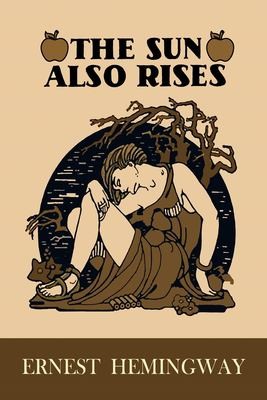
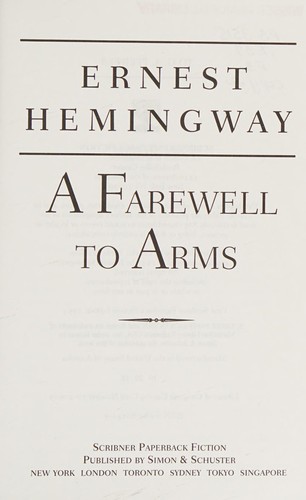
The Sun Also Rises by Ernest Hemingway
-
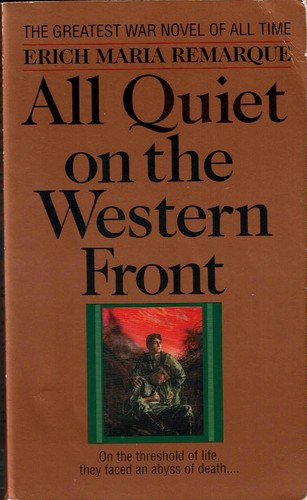
All Quiet on the Western Front by Erich Maria Remarque
Related: A Farewell to Arms by Ernest Hemingway: Summary and Key Takeaways · Themes in A Farewell to Arms Explained
Frequently Asked Questions
What is the most famous quote from A Farewell to Arms?
One of the best-known lines is “In the late summer of that year we lived in a house in a village that looked across the river and the plain to the mountains.” (opening line).
Who wrote A Farewell to Arms?
A Farewell to Arms was written by Ernest Hemingway and first published in 1929.
Can I use quotes from A Farewell to Arms in an essay?
Yes. Short quotations with clear credit to Ernest Hemingway are standard in essays and reviews. Always explain the quote in your own words.
What should I read after A Farewell to Arms?
Try The Sun Also Rises by Ernest Hemingway or All Quiet on the Western Front by Erich Maria Remarque.