
Disclosure: As an Amazon Associate, Bookish Wisdom earns from qualifying purchases. This doesn't change our picks or your price.
Quick answer: The best quotes from A Series of Unfortunate Events by Lemony Snicket include “If you are interested in stories with happy endings, you would be better off reading some other book.” and “It is very useful, when one is young, to learn the difference between 'literally and figuratively.'” Below are 4 of the most memorable lines, with who says them, where they come from and what they mean.
Quick facts
- Book: A Series of Unfortunate Events by Lemony Snicket
- First published: 1999
- Quotes covered: 4
- Best for: essays, captions, book club talks and rereads
Table of Contents
What A Series of Unfortunate Events Is About
In thirteen books, the three Baudelaire orphans, inventive Violet, bookish Klaus and sharp-toothed baby Sunny, lose their parents in a fire and are sent to live with a series of guardians. Each time, the greedy Count Olaf appears in a new disguise to steal their fortune. The narrator, Lemony Snicket, warns readers again and again to stop reading, as the children uncover a secret organization known as V.F.D.
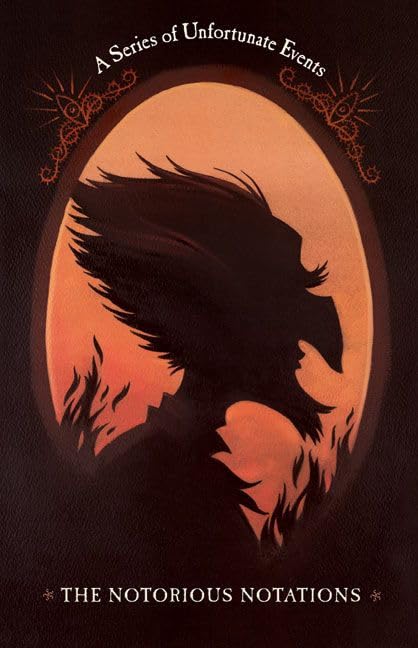
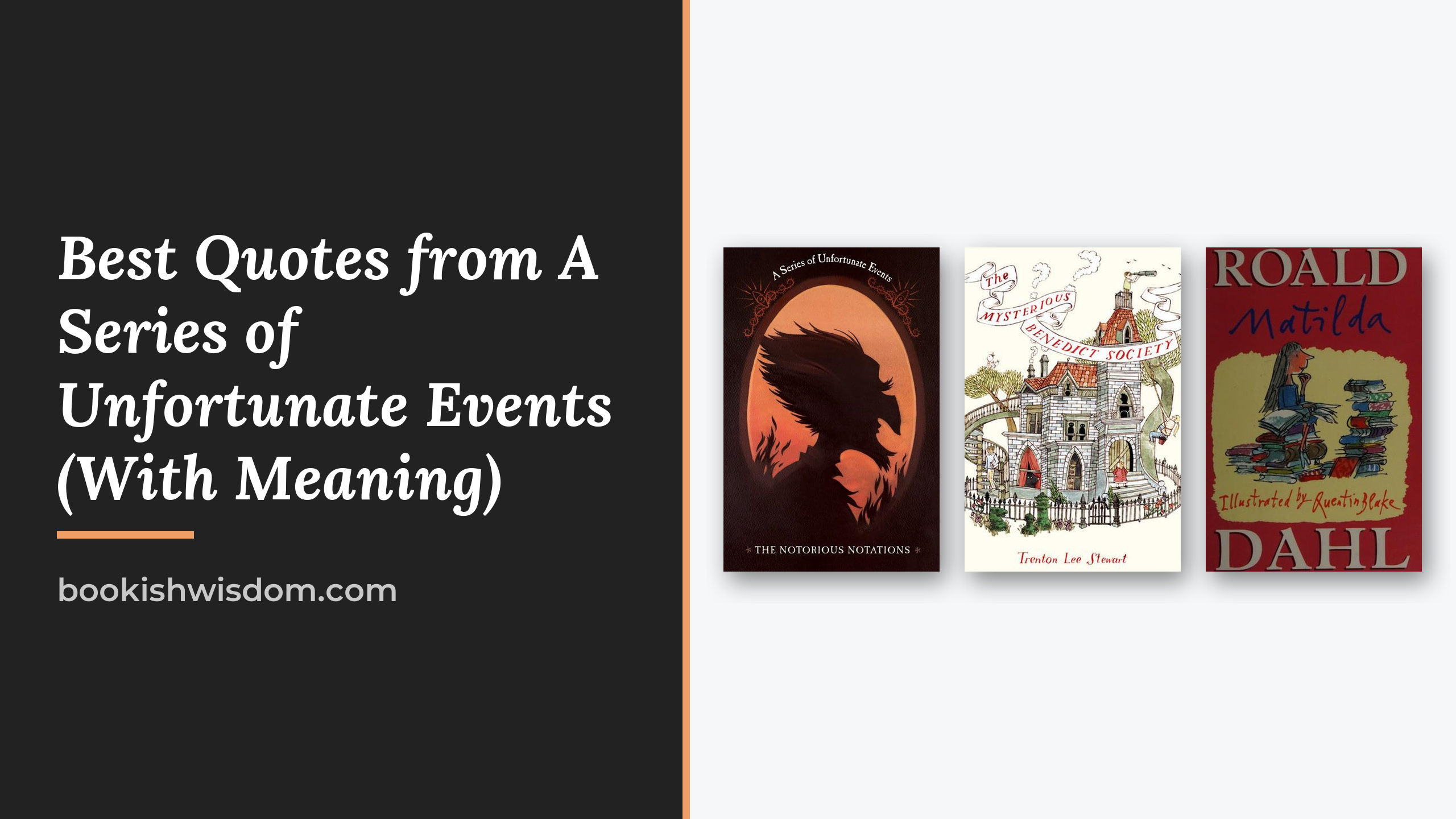
Check price of A Series of Unfortunate Events on Amazon
The Best Quotes from A Series of Unfortunate Events, Explained
1. “If you are interested in stories with happy endings, you would be better off reading some other book.”
The Bad Beginning, opening line. Snicket warns readers away, which only makes them want to read more. The gloomy humor sets the tone for the series.
2. “It is very useful, when one is young, to learn the difference between 'literally and figuratively.'”
The Bad Beginning. Snicket often stops to explain words and phrases. His asides teach vocabulary while making readers laugh.
3. “Fate is like a strange, unpopular restaurant filled with odd little waiters who bring you things you never asked for and don't always like.”
The narrator. The silly comparison sums up the orphans' luck. Life keeps handing them unwanted surprises.
4. “Miracles are like meatballs, because nobody can exactly agree on what they are made of”
The narrator. Snicket's comparisons are playful but thoughtful. This one jokes about how people disagree about good fortune.
Why These Lines Stay With Readers
A Series of Unfortunate Events sold more than sixty million copies and was adapted for a film and a Netflix series. Daniel Handler, who writes as Lemony Snicket, fills the books with wordplay, literary references and dark jokes, so they are fun for adults as well as children. The narrator's melancholy warnings and odd similes are the most quoted parts. Readers use them to talk about resilience, reading and the unfairness of the adult world.
How to Use These Quotes
- In an essay: introduce the quote, give its context in one sentence, then explain how it supports your point.
- For a book club: read one line aloud and ask whether everyone agrees with the speaker.
- For a caption or card: pick a short line and credit Lemony Snicket and A Series of Unfortunate Events.
- For a reread: look for the moment each line appears and notice what changes around it.
A Note on Quoting A Series of Unfortunate Events Accurately
Wording can differ slightly between editions, translations and film versions, and many lines shared online are paraphrased or misattributed. If you need an exact quote for an essay, check it against a printed copy of A Series of Unfortunate Events and note the edition and page number. The lines above are given as they appear in the book, not as they were changed for later adaptations.
When you quote in an essay, keep the quotation short and let your own explanation do most of the work. A good pattern is to name the speaker, place the line in the story, quote it and then spend two or three sentences on what it shows. Quotes from A Series of Unfortunate Events work best when they support a clear point about a character or theme, rather than standing alone.
Reading the Lines in Context
A quote often means more once you know where it falls in the story. Before using any of these lines, reread the surrounding page or two and ask what has just happened, who is listening and what the speaker wants. The same words can sound hopeful, ironic or desperate depending on that moment. Noticing this context is what turns a memorable line into real evidence for an argument about the book.
Discussion Questions
- Which quote above best sums up A Series of Unfortunate Events for you, and why?
- Do any of these lines mean something different once you know how the book ends?
- Which quote would you disagree with, and what would you say back?
If You Love the Writing in A Series of Unfortunate Events
-
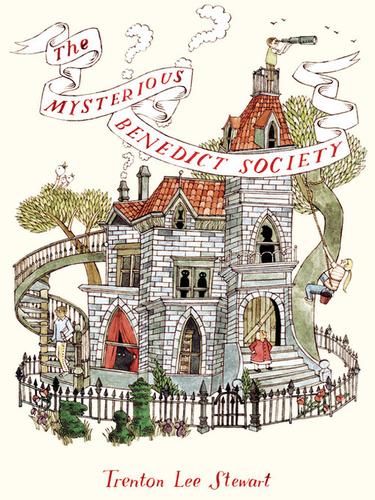
The Mysterious Benedict Society by Trenton Lee Stewart
-
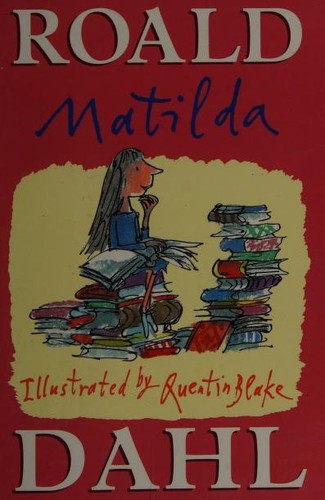
Matilda by Roald Dahl
Related: A Series of Unfortunate Events Characters: A Complete Guide · A Series of Unfortunate Events Ending Explained
Frequently Asked Questions
What is the most famous quote from A Series of Unfortunate Events?
One of the best-known lines is “If you are interested in stories with happy endings, you would be better off reading some other book.” (the Bad Beginning, opening line).
Who wrote A Series of Unfortunate Events?
A Series of Unfortunate Events was written by Lemony Snicket and first published in 1999.
Can I use quotes from A Series of Unfortunate Events in an essay?
Yes. Short quotations with clear credit to Lemony Snicket are standard in essays and reviews. Always explain the quote in your own words.
What should I read after A Series of Unfortunate Events?
Try The Mysterious Benedict Society by Trenton Lee Stewart or Matilda by Roald Dahl.