
Disclosure: As an Amazon Associate, Bookish Wisdom earns from qualifying purchases. This doesn't change our picks or your price.
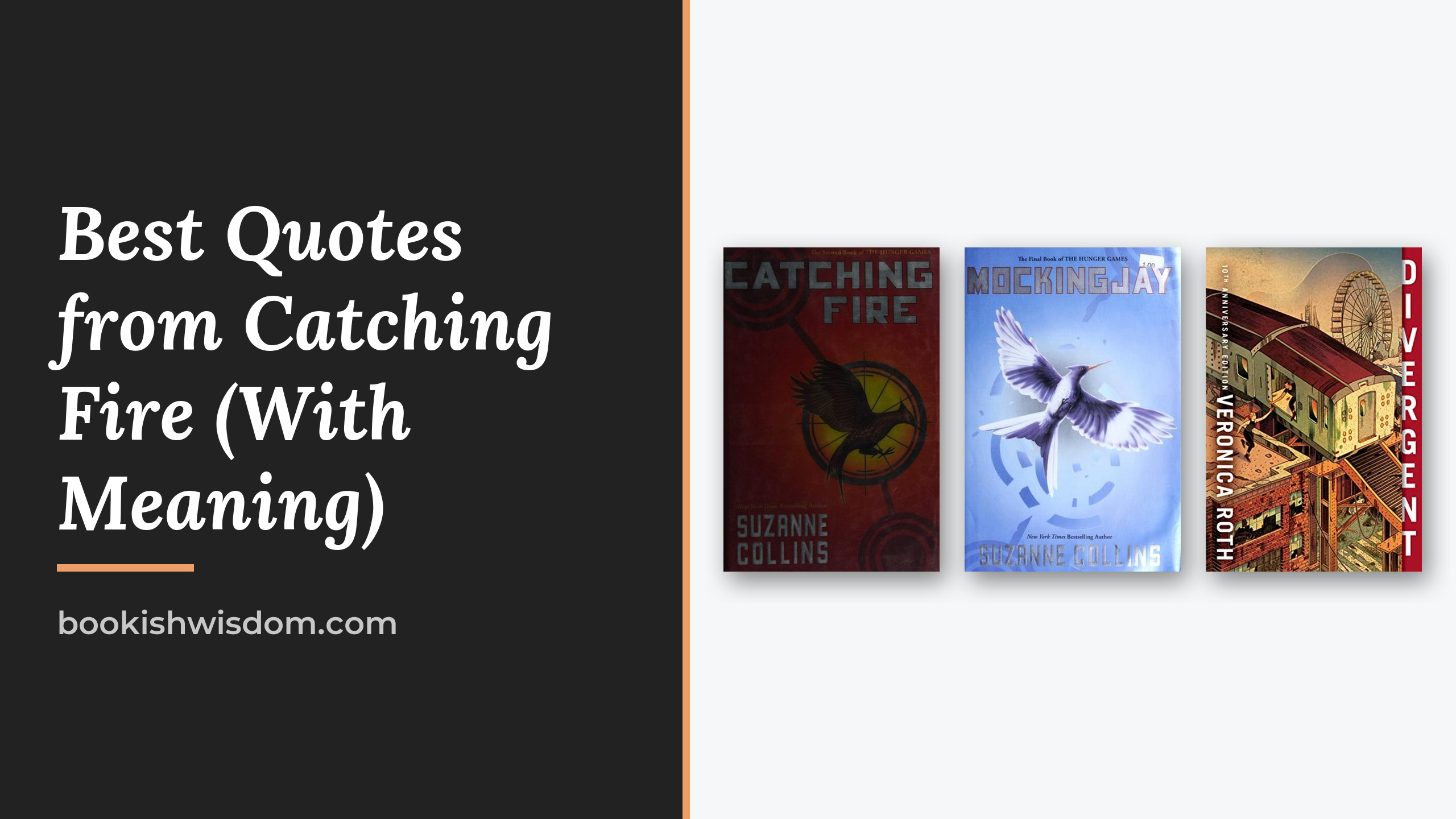
Quick answer: The best quotes from Catching Fire by Suzanne Collins include “I clasp the flask between my hands even though the warmth from the tea has long since leached into the frozen air.” and “You could live a hundred lifetimes and not deserve him.” Below are 4 of the most memorable lines, with who says them, where they come from and what they mean.
Quick facts
- Book: Catching Fire by Suzanne Collins
- First published: 2009
- Quotes covered: 4
- Best for: essays, captions, book club talks and rereads
Table of Contents
What Catching Fire Is About
After winning the Hunger Games together, Katniss Everdeen and Peeta Mellark go on a victory tour of Panem, while rebellion stirs in the districts. President Snow threatens Katniss's family unless she can prove her love for Peeta is real. Then the Capitol announces the Quarter Quell: past victors must return to the arena. Katniss enters again, unsure whom she can trust.
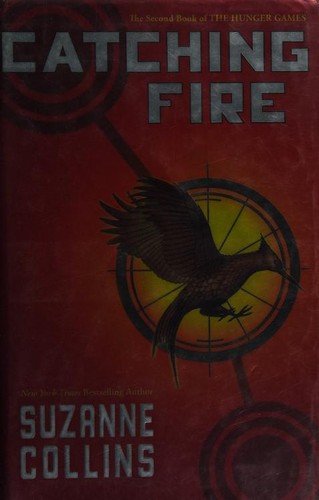
Check price of Catching Fire on Amazon
The Best Quotes from Catching Fire, Explained
1. “I clasp the flask between my hands even though the warmth from the tea has long since leached into the frozen air.”
Opening line. The cold opening shows Katniss alone in the woods, still scarred by the Games and dreading the victory tour.
2. “You could live a hundred lifetimes and not deserve him.”
Haymitch, to Katniss. Haymitch tells Katniss how good Peeta really is. The line makes her see Peeta's love clearly.
3. “Remember who the real enemy is.”
Haymitch, and later Finnick. The warning reminds Katniss that the Capitol, not the other tributes, is the true enemy. It becomes the key to the book's ending.
4. “Katniss, there is no District Twelve.”
Gale, final line. The shocking last line reveals that the Capitol has destroyed her home, setting up the war in Mockingjay.
Why These Lines Stay With Readers
Catching Fire is the second book in The Hunger Games trilogy and many fans think it is the best. It deepens the story's politics and introduces memorable characters such as Finnick Odair, Johanna Mason, Beetee and Mags. The 2013 film starring Jennifer Lawrence was a box-office hit. The quotes are used to discuss rebellion, propaganda, trust and love under pressure. Many readers point out that the famous line about burning together belongs to the third book, Mockingjay, not this one, so it is worth checking the source before quoting. Collins said she was inspired partly by the myth of Theseus and partly by flipping between reality TV and war coverage. The clock-shaped arena, with a new danger each hour, is one of the most inventive settings in young adult fiction.
How to Use These Quotes
- In an essay: introduce the quote, give its context in one sentence, then explain how it supports your point.
- For a book club: read one line aloud and ask whether everyone agrees with the speaker.
- For a caption or card: pick a short line and credit Suzanne Collins and Catching Fire.
- For a reread: look for the moment each line appears and notice what changes around it.
A Note on Quoting Catching Fire Accurately
Wording can differ slightly between editions, translations and film versions, and many lines shared online are paraphrased or misattributed. If you need an exact quote for an essay, check it against a printed copy of Catching Fire and note the edition and page number. The lines above are given as they appear in the book, not as they were changed for later adaptations.
When you quote in an essay, keep the quotation short and let your own explanation do most of the work. A good pattern is to name the speaker, place the line in the story, quote it and then spend two or three sentences on what it shows. Quotes from Catching Fire work best when they support a clear point about a character or theme, rather than standing alone.
Reading the Lines in Context
A quote often means more once you know where it falls in the story. Before using any of these lines, reread the surrounding page or two and ask what has just happened, who is listening and what the speaker wants. The same words can sound hopeful, ironic or desperate depending on that moment. Noticing this context is what turns a memorable line into real evidence for an argument about the book.
Discussion Questions
- Which quote above best sums up Catching Fire for you, and why?
- Do any of these lines mean something different once you know how the book ends?
- Which quote would you disagree with, and what would you say back?
If You Love the Writing in Catching Fire
-
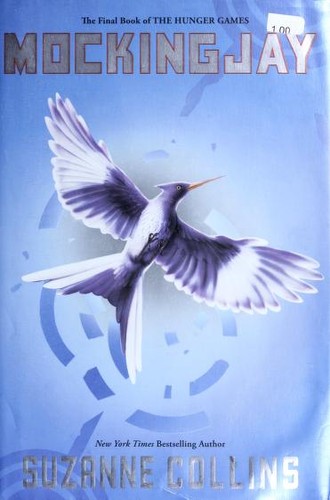
Mockingjay by Suzanne Collins
-
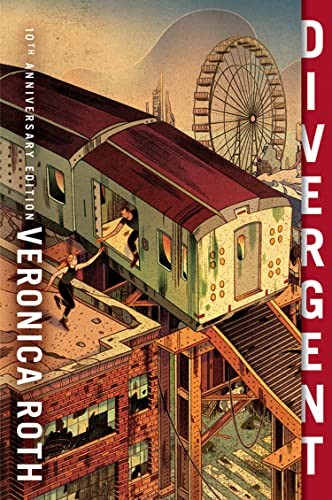
Divergent by Veronica Roth
Related: Catching Fire by Suzanne Collins: Summary and Key Takeaways · Themes in Catching Fire Explained
Frequently Asked Questions
What is the most famous quote from Catching Fire?
One of the best-known lines is “I clasp the flask between my hands even though the warmth from the tea has long since leached into the frozen air.” (opening line).
Who wrote Catching Fire?
Catching Fire was written by Suzanne Collins and first published in 2009.
Can I use quotes from Catching Fire in an essay?
Yes. Short quotations with clear credit to Suzanne Collins are standard in essays and reviews. Always explain the quote in your own words.
What should I read after Catching Fire?
Try Mockingjay by Suzanne Collins or Divergent by Veronica Roth.