
Disclosure: As an Amazon Associate, Bookish Wisdom earns from qualifying purchases. This doesn't change our picks or your price.
Quick answer: The best quotes from For Whom the Bell Tolls by Ernest Hemingway include “The world is a fine place and worth the fighting for and I hate very much to leave it.” and “I suppose it is possible to live as full a life in seventy hours as in seventy years” Below are 4 of the most memorable lines, with who says them, where they come from and what they mean.
Quick facts
- Book: For Whom the Bell Tolls by Ernest Hemingway
- First published: 1940
- Quotes covered: 4
- Best for: essays, captions, book club talks and rereads
Table of Contents
What For Whom the Bell Tolls Is About
During the Spanish Civil War, Robert Jordan, an American teacher fighting for the Republic, is sent behind enemy lines to blow up a bridge. He spends three days with a band of guerrillas in the mountains, including the fierce Pilar, the unreliable Pablo and Maria, a young woman who has survived terrible violence. Jordan falls in love with Maria as the day of the attack approaches.
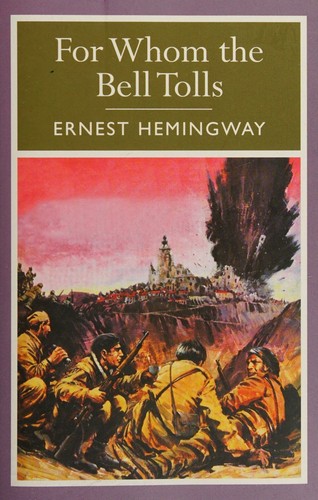
Check price of For Whom the Bell Tolls on Amazon
The Best Quotes from For Whom the Bell Tolls, Explained
1. “The world is a fine place and worth the fighting for and I hate very much to leave it.”
Robert Jordan, near the end. Jordan's last thoughts mix love of life with acceptance of death. It is one of Hemingway's most quoted lines about courage.
2. “I suppose it is possible to live as full a life in seventy hours as in seventy years”
Robert Jordan. With so little time, Jordan decides that intensity matters more than length. His three days with Maria feel like a whole life.
3. “Today is only one day in all the days that will ever be.”
Robert Jordan. Jordan reminds himself to live in the present, while knowing each choice shapes the future.
4. “But did thee feel the earth move?”
Robert Jordan to Maria. Hemingway's attempt to translate Spanish intimacy into old-fashioned English became famous, and sometimes teased.
Why These Lines Stay With Readers
For Whom the Bell Tolls draws on Hemingway's time as a reporter in Spain, and its lines about love, duty and death are some of his most celebrated. The story covers only three days, which gives every conversation a sense of urgency. Hemingway shows cruelty on both sides of the war, so the book is about the human cost of fighting rather than simple heroism. Jordan's quiet, stubborn courage and his love for Maria make the closing pages unforgettable, and his final thoughts are often quoted in essays about sacrifice.
How to Use These Quotes
- In an essay: introduce the quote, give its context in one sentence, then explain how it supports your point.
- For a book club: read one line aloud and ask whether everyone agrees with the speaker.
- For a caption or card: pick a short line and credit Ernest Hemingway and For Whom the Bell Tolls.
- For a reread: look for the moment each line appears and notice what changes around it.
A Note on Quoting For Whom the Bell Tolls Accurately
Wording can differ slightly between editions, translations and film versions, and many lines shared online are paraphrased or misattributed. If you need an exact quote for an essay, check it against a printed copy of For Whom the Bell Tolls and note the edition and page number. The lines above are given as they appear in the book, not as they were changed for later adaptations.
When you quote in an essay, keep the quotation short and let your own explanation do most of the work. A good pattern is to name the speaker, place the line in the story, quote it and then spend two or three sentences on what it shows. Quotes from For Whom the Bell Tolls work best when they support a clear point about a character or theme, rather than standing alone.
Reading the Lines in Context
A quote often means more once you know where it falls in the story. Before using any of these lines, reread the surrounding page or two and ask what has just happened, who is listening and what the speaker wants. The same words can sound hopeful, ironic or desperate depending on that moment. Noticing this context is what turns a memorable line into real evidence for an argument about the book.
Discussion Questions
- Which quote above best sums up For Whom the Bell Tolls for you, and why?
- Do any of these lines mean something different once you know how the book ends?
- Which quote would you disagree with, and what would you say back?
If You Love the Writing in For Whom the Bell Tolls
-
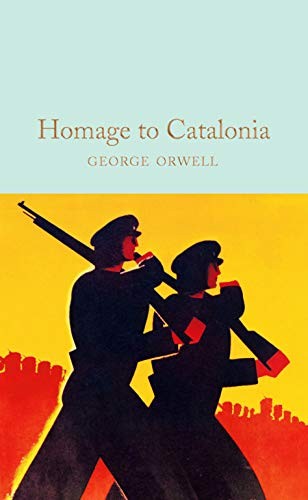
Homage to Catalonia by George Orwell
-
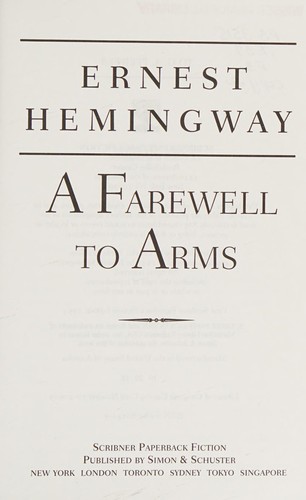
A Farewell to Arms by Ernest Hemingway
Related: For Whom the Bell Tolls by Ernest Hemingway: Summary and Key Takeaways · Themes in For Whom the Bell Tolls Explained
Frequently Asked Questions
What is the most famous quote from For Whom the Bell Tolls?
One of the best-known lines is “The world is a fine place and worth the fighting for and I hate very much to leave it.” (robert Jordan, near the end).
Who wrote For Whom the Bell Tolls?
For Whom the Bell Tolls was written by Ernest Hemingway and first published in 1940.
Can I use quotes from For Whom the Bell Tolls in an essay?
Yes. Short quotations with clear credit to Ernest Hemingway are standard in essays and reviews. Always explain the quote in your own words.
What should I read after For Whom the Bell Tolls?
Try Homage to Catalonia by George Orwell or A Farewell to Arms by Ernest Hemingway.