
Disclosure: As an Amazon Associate, Bookish Wisdom earns from qualifying purchases. This doesn't change our picks or your price.
Quick answer: The best quotes from Kafka on the Shore by Haruki Murakami include “Sometimes fate is like a small sandstorm that keeps changing directions.” and “When you come out of the storm, you won't be the same person who walked in. That's what this storm's all about.” Below are 4 of the most memorable lines, with who says them, where they come from and what they mean.
Quick facts
- Book: Kafka on the Shore by Haruki Murakami
- First published: 2002
- Quotes covered: 4
- Best for: essays, captions, book club talks and rereads
Table of Contents
What Kafka on the Shore Is About
Fifteen-year-old Kafka Tamura runs away from his father's home in Tokyo and finds shelter in a quiet private library in Takamatsu, run by the mysterious Miss Saeki and the clever librarian Oshima. In a parallel story, Nakata, an elderly man who lost his memory in a strange childhood incident and can talk to cats, is drawn on a journey toward the same town. Quotes follow Philip Gabriel's translation.
Check price of Kafka on the Shore on Amazon
The Best Quotes from Kafka on the Shore, Explained
1. “Sometimes fate is like a small sandstorm that keeps changing directions.”
The boy named Crow. Kafka's imaginary friend warns him that he cannot outrun his fate. The sandstorm is inside him.
2. “When you come out of the storm, you won't be the same person who walked in. That's what this storm's all about.”
The boy named Crow. The most quoted lines in the book. Hard experiences change us, and that change is their purpose.
3. “In everybody's life there's a point of no return.”
Oshima. Oshima explains that some choices can't be undone. Kafka is near that point.
4. “Every one of us is losing something precious to us.”
Oshima. Loss is part of being alive. The line shows the gentle sadness that runs through the novel.
Why These Lines Stay With Readers
Kafka on the Shore won the World Fantasy Award and is one of Murakami's most popular novels. It blends dreamlike events, such as fish raining from the sky and talking cats, with a coming-of-age story about loneliness, memory and identity. Murakami has said the book contains several riddles and that readers should reread it to find their own answers. The quotes about the sandstorm are especially loved by young readers facing big changes. Book clubs enjoy debating what really happens, because the novel offers no single explanation. Its love of music and books also makes it a favorite with readers who enjoy quiet, reflective stories.
How to Use These Quotes
- In an essay: introduce the quote, give its context in one sentence, then explain how it supports your point.
- For a book club: read one line aloud and ask whether everyone agrees with the speaker.
- For a caption or card: pick a short line and credit Haruki Murakami and Kafka on the Shore.
- For a reread: look for the moment each line appears and notice what changes around it.
A Note on Quoting Kafka on the Shore Accurately
Wording can differ slightly between editions, translations and film versions, and many lines shared online are paraphrased or misattributed. If you need an exact quote for an essay, check it against a printed copy of Kafka on the Shore and note the edition and page number. The lines above are given as they appear in the book, not as they were changed for later adaptations.
When you quote in an essay, keep the quotation short and let your own explanation do most of the work. A good pattern is to name the speaker, place the line in the story, quote it and then spend two or three sentences on what it shows. Quotes from Kafka on the Shore work best when they support a clear point about a character or theme, rather than standing alone.
Reading the Lines in Context
A quote often means more once you know where it falls in the story. Before using any of these lines, reread the surrounding page or two and ask what has just happened, who is listening and what the speaker wants. The same words can sound hopeful, ironic or desperate depending on that moment. Noticing this context is what turns a memorable line into real evidence for an argument about the book.
Discussion Questions
- Which quote above best sums up Kafka on the Shore for you, and why?
- Do any of these lines mean something different once you know how the book ends?
- Which quote would you disagree with, and what would you say back?
If You Love the Writing in Kafka on the Shore
-
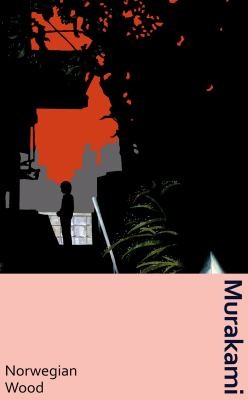
Norwegian Wood by Haruki Murakami
- The Wind-Up Bird Chronicle by Haruki Murakami
Related: Kafka on the Shore by Haruki Murakami: Summary and Key Takeaways · Themes in Kafka on the Shore Explained
Frequently Asked Questions
What is the most famous quote from Kafka on the Shore?
One of the best-known lines is “Sometimes fate is like a small sandstorm that keeps changing directions.” (the boy named Crow).
Who wrote Kafka on the Shore?
Kafka on the Shore was written by Haruki Murakami and first published in 2002.
Can I use quotes from Kafka on the Shore in an essay?
Yes. Short quotations with clear credit to Haruki Murakami are standard in essays and reviews. Always explain the quote in your own words.
What should I read after Kafka on the Shore?
Try Norwegian Wood by Haruki Murakami or The Wind-Up Bird Chronicle by Haruki Murakami.