
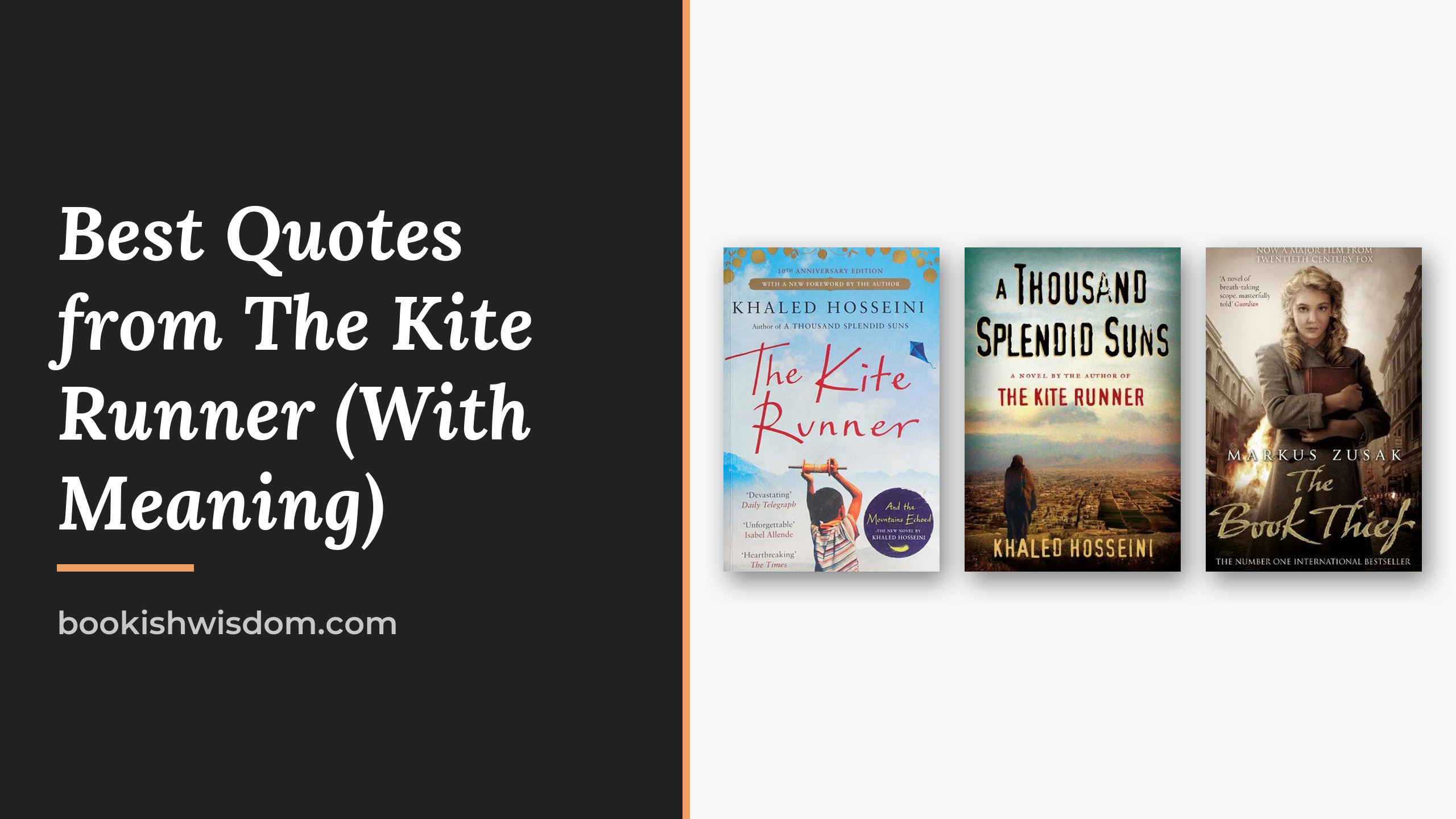
Disclosure: As an Amazon Associate, Bookish Wisdom earns from qualifying purchases. This doesn't change our picks or your price.
Quick answer: The best quotes from The Kite Runner by Khaled Hosseini include “I became what I am today at the age of twelve, on a frigid overcast day in the winter of 1975.” and “For you, a thousand times over.” Below are 5 of the most memorable lines, with who says them, where they come from and what they mean.
Quick facts
- Book: The Kite Runner by Khaled Hosseini
- First published: 2003
- Quotes covered: 5
- Best for: essays, captions, book club talks and rereads
Table of Contents
What The Kite Runner Is About
Amir, the son of a wealthy man in Kabul, grows up with Hassan, the son of his father's servant, who is loyal to him in every way. During a kite-fighting tournament in 1975, Amir witnesses a terrible attack on Hassan and does nothing, then betrays him further. Years later, living in California after fleeing the Soviet invasion, Amir receives a call that offers him a way to make things right, and he returns to a Taliban-ruled Afghanistan.
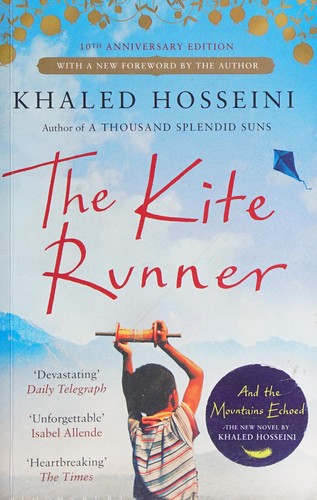
Check price of The Kite Runner on Amazon
The Best Quotes from The Kite Runner, Explained
1. “I became what I am today at the age of twelve, on a frigid overcast day in the winter of 1975.”
Opening line. Amir knows exactly when his life changed. The opening sets up the novel as a story of guilt and memory.
2. “For you, a thousand times over.”
Hassan, to Amir. Hassan says this before running the kite for Amir. The words show his complete loyalty, and they return with powerful meaning at the end of the book.
3. “There is a way to be good again.”
Rahim Khan, on the phone. This message calls Amir back to Afghanistan. It offers him hope that he can make up for the past.
4. “It may be unfair, but what happens in a few days, sometimes even a single day, can change the course of a whole lifetime.”
Amir. Amir reflects on how one moment shaped his whole life. The line is often quoted about regret and turning points.
5. “Children aren't coloring books. You don't get to fill them with your favorite colors.”
Amir. Amir realizes that children have their own natures. The line is popular with parents and teachers.
Why These Lines Stay With Readers
The Kite Runner is a powerful story of friendship, guilt and redemption set against decades of change in Afghanistan. Its lines are among the most quoted in contemporary fiction and spark deep discussion in book clubs and classrooms.
How to Use These Quotes
- In an essay: introduce the quote, give its context in one sentence, then explain how it supports your point.
- For a book club: read one line aloud and ask whether everyone agrees with the speaker.
- For a caption or card: pick a short line and credit Khaled Hosseini and The Kite Runner.
- For a reread: look for the moment each line appears and notice what changes around it.
A Note on Quoting The Kite Runner Accurately
Wording can differ slightly between editions, translations and film versions, and many lines shared online are paraphrased or misattributed. If you need an exact quote for an essay, check it against a printed copy of The Kite Runner and note the edition and page number. The lines above are given as they appear in the book, not as they were changed for later adaptations.
When you quote in an essay, keep the quotation short and let your own explanation do most of the work. A good pattern is to name the speaker, place the line in the story, quote it and then spend two or three sentences on what it shows. Quotes from The Kite Runner work best when they support a clear point about a character or theme, rather than standing alone.
Discussion Questions
- Which quote above best sums up The Kite Runner for you, and why?
- Do any of these lines mean something different once you know how the book ends?
- Which quote would you disagree with, and what would you say back?
If You Love the Writing in The Kite Runner
-
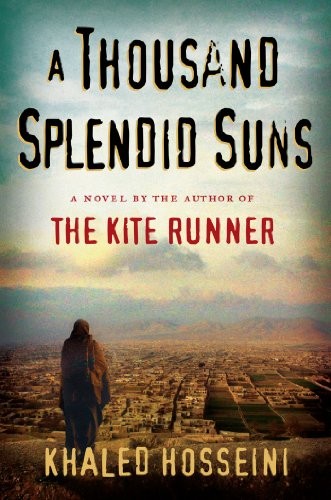
A Thousand Splendid Suns by Khaled Hosseini
-

The Book Thief by Markus Zusak
Related: The Kite Runner by Khaled Hosseini: Summary and Key Takeaways · The Kite Runner Characters: A Complete Guide
Frequently Asked Questions
What is the most famous quote from The Kite Runner?
One of the best-known lines is “I became what I am today at the age of twelve, on a frigid overcast day in the winter of 1975.” (opening line).
Who wrote The Kite Runner?
The Kite Runner was written by Khaled Hosseini and first published in 2003.
Can I use quotes from The Kite Runner in an essay?
Yes. Short quotations with clear credit to Khaled Hosseini are standard in essays and reviews. Always explain the quote in your own words.
What should I read after The Kite Runner?
Try A Thousand Splendid Suns by Khaled Hosseini or The Book Thief by Markus Zusak.