
Disclosure: As an Amazon Associate, Bookish Wisdom earns from qualifying purchases. This doesn't change our picks or your price.
Quick answer: The best quotes from The Leopard by Giuseppe Tomasi di Lampedusa include “If we want things to stay as they are, things will have to change.” and “We were the Leopards, the Lions; those who'll take our place will be little jackals, hyenas” Below are 4 of the most memorable lines, with who says them, where they come from and what they mean.
Quick facts
- Book: The Leopard by Giuseppe Tomasi di Lampedusa
- First published: 1958
- Quotes covered: 4
- Best for: essays, captions, book club talks and rereads
Table of Contents
What The Leopard Is About
In 1860, as Garibaldi's troops land in Sicily to unify Italy, Don Fabrizio Corbera, Prince of Salina, watches his aristocratic world begin to end. His charming nephew Tancredi joins the revolution and marries Angelica, the beautiful daughter of a newly rich mayor, to secure the family's future. The proud Prince accepts the change with dignity and sadness. Quotes follow Archibald Colquhoun's translation.
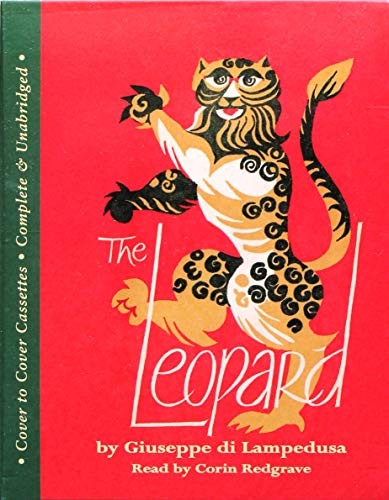
Check price of The Leopard on Amazon
The Best Quotes from The Leopard, Explained
1. “If we want things to stay as they are, things will have to change.”
Tancredi, to his uncle. The most famous line in the book. Tancredi argues that the nobles must join the revolution to keep their power.
2. “We were the Leopards, the Lions; those who'll take our place will be little jackals, hyenas”
Don Fabrizio. The Prince sees his class being replaced by new, grasping men. The leopard is his family's emblem.
3. “Sleep, my dear Chevalley, sleep, that is what Sicilians want”
Don Fabrizio, to Chevalley. Refusing a seat in the new Senate, the Prince explains that Sicily is tired of change.
4. “The Sicilians never want to improve for the simple reason that they think themselves perfect”
Don Fabrizio. His bitter view of his island shows both love and despair.
Why These Lines Stay With Readers
The Leopard was rejected by publishers during Lampedusa's lifetime and published after his death, becoming Italy's best-selling novel. Luchino Visconti's 1963 film with Burt Lancaster made it world famous. Tancredi's line about change is quoted in politics and business to describe reforms that keep the powerful on top. Readers love the Prince's ironic, melancholy voice. The novel's famous ballroom scene, which takes up a long chapter near the end, shows the Prince reflecting on age and death while the young dance around him. Many readers call it one of the finest chapters in European fiction.
How to Use These Quotes
- In an essay: introduce the quote, give its context in one sentence, then explain how it supports your point.
- For a book club: read one line aloud and ask whether everyone agrees with the speaker.
- For a caption or card: pick a short line and credit Giuseppe Tomasi di Lampedusa and The Leopard.
- For a reread: look for the moment each line appears and notice what changes around it.
A Note on Quoting The Leopard Accurately
Wording can differ slightly between editions, translations and film versions, and many lines shared online are paraphrased or misattributed. If you need an exact quote for an essay, check it against a printed copy of The Leopard and note the edition and page number. The lines above are given as they appear in the book, not as they were changed for later adaptations.
When you quote in an essay, keep the quotation short and let your own explanation do most of the work. A good pattern is to name the speaker, place the line in the story, quote it and then spend two or three sentences on what it shows. Quotes from The Leopard work best when they support a clear point about a character or theme, rather than standing alone.
Reading the Lines in Context
A quote often means more once you know where it falls in the story. Before using any of these lines, reread the surrounding page or two and ask what has just happened, who is listening and what the speaker wants. The same words can sound hopeful, ironic or desperate depending on that moment. Noticing this context is what turns a memorable line into real evidence for an argument about the book.
Discussion Questions
- Which quote above best sums up The Leopard for you, and why?
- Do any of these lines mean something different once you know how the book ends?
- Which quote would you disagree with, and what would you say back?
If You Love the Writing in The Leopard
-
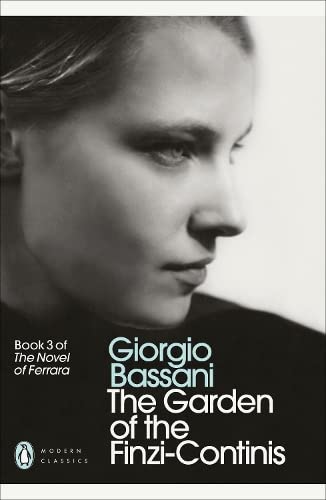
The Garden of the Finzi-Continis by Giorgio Bassani
-
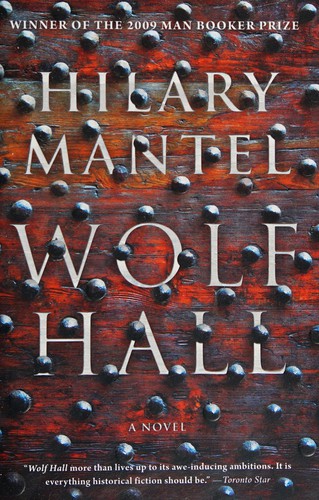
Wolf Hall by Hilary Mantel
Related: Wolf Hall by Hilary Mantel: Summary and Key Takeaways
Frequently Asked Questions
What is the most famous quote from The Leopard?
One of the best-known lines is “If we want things to stay as they are, things will have to change.” (tancredi, to his uncle).
Who wrote The Leopard?
The Leopard was written by Giuseppe Tomasi di Lampedusa and first published in 1958.
Can I use quotes from The Leopard in an essay?
Yes. Short quotations with clear credit to Giuseppe Tomasi di Lampedusa are standard in essays and reviews. Always explain the quote in your own words.
What should I read after The Leopard?
Try The Garden of the Finzi-Continis by Giorgio Bassani or Wolf Hall by Hilary Mantel.