
Disclosure: As an Amazon Associate, Bookish Wisdom earns from qualifying purchases. This doesn't change our picks or your price.
Quick answer: The best quotes from The Winter's Tale by William Shakespeare include “A sad tale's best for winter.” and “Exit, pursued by a bear.” Below are 5 of the most memorable lines, with who says them, where they come from and what they mean.
Quick facts
- Book: The Winter's Tale by William Shakespeare
- First published: 1611
- Quotes covered: 5
- Best for: essays, captions, book club talks and rereads
Table of Contents
What The Winter's Tale Is About
King Leontes of Sicilia suddenly becomes convinced that his pregnant wife, Hermione, has betrayed him with his best friend, King Polixenes of Bohemia. His jealousy leads to Hermione's apparent death, the loss of his son and the abandonment of his newborn daughter, Perdita, on a distant shore. Sixteen years later, Perdita, raised by a shepherd, falls in love with Polixenes's son, and a final scene brings astonishing reunions.
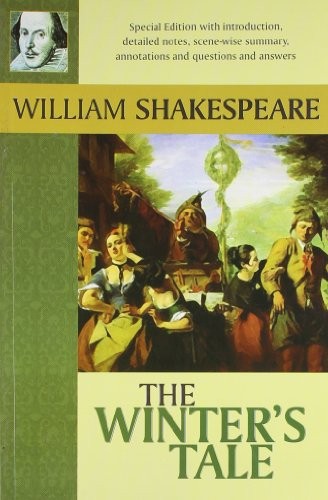
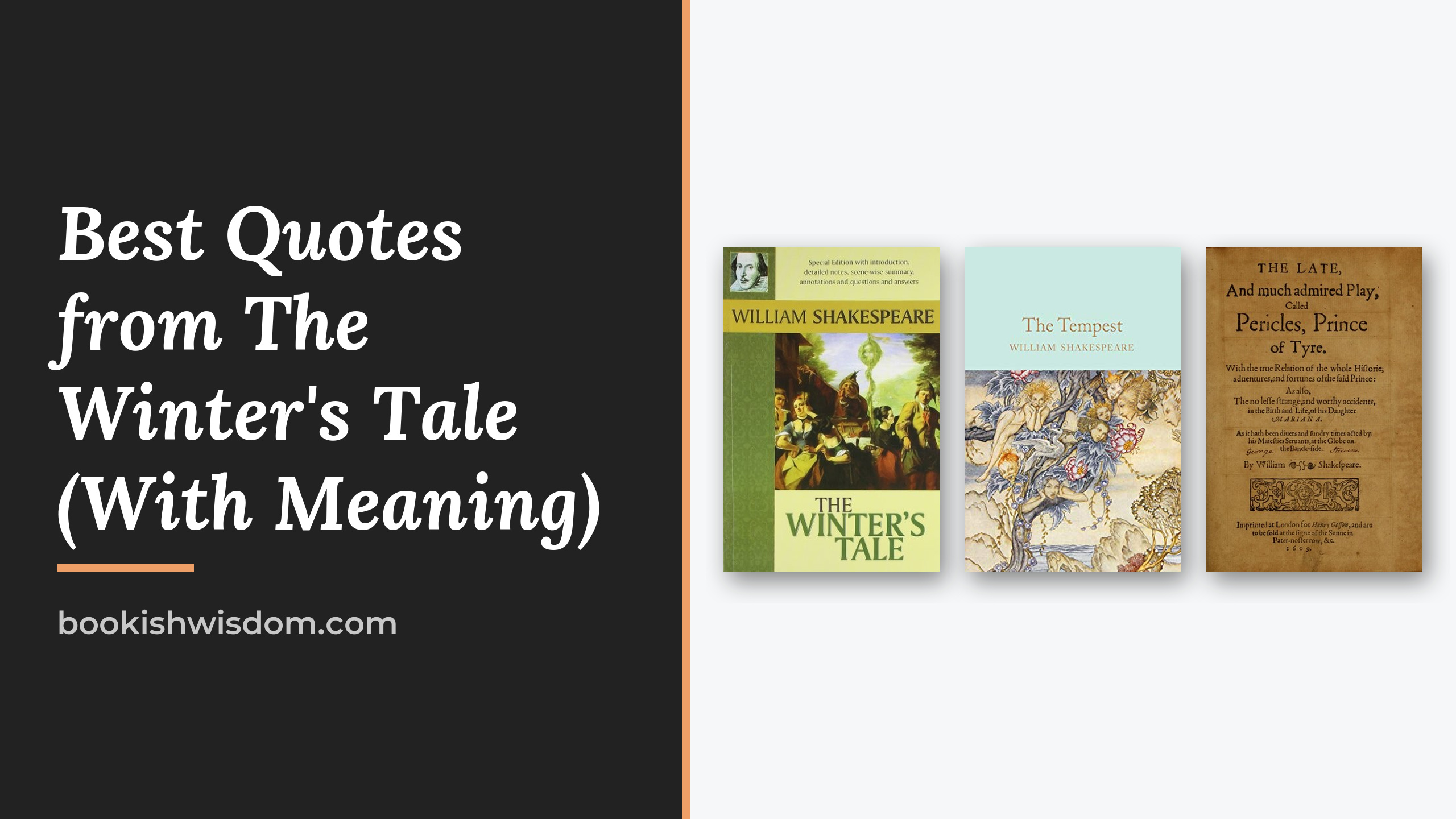
Check price of The Winter's Tale on Amazon
The Best Quotes from The Winter's Tale, Explained
1. “A sad tale's best for winter.”
Mamillius, Act 2. Young Mamillius offers to tell his mother a story. The line gives the play its title and hints at the sorrow to come.
2. “Exit, pursued by a bear.”
Stage direction, Act 3. The most famous stage direction in English drama. It marks the sudden turn from tragedy to comedy as the play moves to Bohemia.
3. “Though I am not naturally honest, I am so sometimes by chance.”
Autolycus, Act 4. The cheerful rogue Autolycus admits his trickery with charm. His humor lightens the second half.
4. “What's gone and what's past help / Should be past grief.”
Paulina, Act 3. Paulina tells Leontes that some losses cannot be undone. The line is later turned upside down by the play's ending.
5. “O, she's warm!”
Leontes, Act 5. Leontes touches what he thought was a statue of Hermione. The short line carries a huge emotional release.
Why These Lines Stay With Readers
The Winter's Tale is one of Shakespeare's late romances, plays that move from loss to forgiveness. Its two halves feel very different: a dark court drama of jealousy, then a sunny pastoral comedy. Critics have long debated the bear and the statue scene, and directors find new ways to stage both. The quotes are used to discuss jealousy, time, regret and second chances, and the final reunion still moves audiences who have waited the whole evening for it. The statue scene is one of the most debated moments in Shakespeare, because audiences never learn exactly how Hermione survived. Many productions use it to show that forgiveness takes time.
How to Use These Quotes
- In an essay: introduce the quote, give its context in one sentence, then explain how it supports your point.
- For a book club: read one line aloud and ask whether everyone agrees with the speaker.
- For a caption or card: pick a short line and credit William Shakespeare and The Winter's Tale.
- For a reread: look for the moment each line appears and notice what changes around it.
A Note on Quoting The Winter's Tale Accurately
Wording can differ slightly between editions, translations and film versions, and many lines shared online are paraphrased or misattributed. If you need an exact quote for an essay, check it against a printed copy of The Winter's Tale and note the edition and page number. The lines above are given as they appear in the book, not as they were changed for later adaptations.
When you quote in an essay, keep the quotation short and let your own explanation do most of the work. A good pattern is to name the speaker, place the line in the story, quote it and then spend two or three sentences on what it shows. Quotes from The Winter's Tale work best when they support a clear point about a character or theme, rather than standing alone.
Reading the Lines in Context
A quote often means more once you know where it falls in the story. Before using any of these lines, reread the surrounding page or two and ask what has just happened, who is listening and what the speaker wants. The same words can sound hopeful, ironic or desperate depending on that moment. Noticing this context is what turns a memorable line into real evidence for an argument about the book.
Discussion Questions
- Which quote above best sums up The Winter's Tale for you, and why?
- Do any of these lines mean something different once you know how the book ends?
- Which quote would you disagree with, and what would you say back?
If You Love the Writing in The Winter's Tale
-
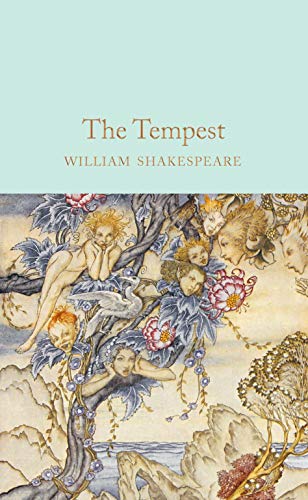
The Tempest by William Shakespeare
-
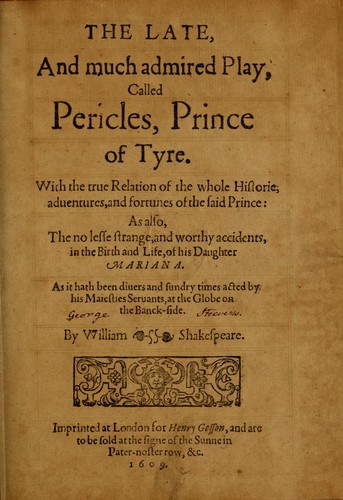
Pericles by William Shakespeare
Frequently Asked Questions
What is the most famous quote from The Winter's Tale?
One of the best-known lines is “A sad tale's best for winter.” (mamillius, Act 2).
Who wrote The Winter's Tale?
The Winter's Tale was written by William Shakespeare and first published in 1611.
Can I use quotes from The Winter's Tale in an essay?
Yes. Short quotations with clear credit to William Shakespeare are standard in essays and reviews. Always explain the quote in your own words.
What should I read after The Winter's Tale?
Try The Tempest by William Shakespeare or Pericles by William Shakespeare.