
Disclosure: As an Amazon Associate, Bookish Wisdom earns from qualifying purchases. This doesn't change our picks or your price.
TL;DR: After their father dies, sisters Elinor and Marianne Dashwood lose their home and fortune. Sensible Elinor hides her love for the quiet Edward Ferrars, while passionate Marianne falls hard for the dashing Willoughby. Both are hurt, and both learn to balance feeling with judgment.
Table of Contents
Sense and Sensibility at a Glance
| Author | Jane Austen |
| First published | 1811 |
| Type | Novel |
| Best for | readers who love sister stories and quietly moving romance |
Sense and Sensibility is Jane Austen's first published novel, from 1811. It contrasts two sisters: Elinor, who represents sense, and Marianne, who represents sensibility, or strong emotion. Below you will find a part-by-part summary, five key takeaways, ideas worth remembering and a note on who will enjoy it.
Main Characters
- Elinor Dashwood: The sensible eldest sister, who hides her feelings to protect others.
- Marianne Dashwood: The passionate middle sister, who wears her heart on her sleeve.
- Edward Ferrars: A quiet, honorable man bound by a secret engagement.
- John Willoughby: A dashing charmer who chooses money over love.
- Colonel Brandon: A serious, kind older man who loves Marianne.
What Happens, Part by Part (Contains Spoilers)
Losing Norland
When Mr. Dashwood dies, his estate passes to his son John, whose greedy wife Fanny persuades him to give his half-sisters almost nothing. Mrs. Dashwood and her daughters, Elinor, Marianne and young Margaret, must leave Norland. Before they go, Elinor and Fanny's brother, Edward Ferrars, grow close.
Barton Cottage
The family moves to a small cottage in Devon, rented from their cousin Sir John Middleton. The serious, older Colonel Brandon falls for Marianne, but she thinks him too old. When Marianne twists her ankle, the handsome John Willoughby rescues her, and they fall into a passionate romance.
Secrets
Willoughby suddenly leaves for London. Lucy Steele, a sly young woman, confides to Elinor that she has been secretly engaged to Edward for four years. Heartbroken, Elinor keeps it to herself. In London, Willoughby coldly rejects Marianne and becomes engaged to a wealthy heiress, and Marianne is devastated.
Illness and truth
Marianne falls dangerously ill. Willoughby arrives to explain himself: he loved Marianne, but chose money after being disinherited for seducing and abandoning a young girl, Colonel Brandon's ward. Elinor finally tells Marianne about her own quiet suffering, and Marianne realizes her sister's strength.
The ending
Lucy Steele marries Edward's brother Robert instead, freeing Edward to propose to Elinor, which he does. Marianne, more mature, comes to love Colonel Brandon and marries him. Both sisters find happiness by combining sense with feeling.
5 Key Takeaways
- Strong feelings need balance with good judgment.
- Hiding feelings entirely can be lonely and painful.
- Money and inheritance shaped women's choices in Austen's time.
- True character shows in how people treat others when it costs them.
- Sisters can teach each other different strengths.
Ideas Worth Remembering
These are paraphrased, not direct quotes:
- Feeling deeply is not the same as acting wisely.
- Quiet people may be suffering the most.
- Love based on character lasts longer than love based on charm.
Who Should Read Sense and Sensibility?
Read Sense and Sensibility if you love sister stories and romance with heart. It is a little slower than Pride and Prejudice but deeply moving.
Questions to Think About After Reading
These prompts work for solo reading, a book club or a classroom discussion of Sense and Sensibility:
- Which sister do you relate to more, Elinor or Marianne?
- Is Willoughby a villain or a weak man?
- Does Marianne's marriage to Colonel Brandon feel right?
How to Use This Summary
Use this page as a quick reference before a book club meeting, an exam, or a decision about whether Sense and Sensibility is worth your time. The takeaways are written to stand on their own. If a point interests you, go back to the book for the author's full story, characters and style, which no short summary can replace.
A Note on Accuracy and Spoilers
This summary is based on the published text of Sense and Sensibility, not on any film, series or stage adaptation, which often change the story. Details are kept at the level of the main events so that nothing is invented. Editions differ slightly in length and wording, so page numbers and small details may vary between copies.
Should You Read the Book?
If the summary caught your interest, read the opening chapters before you decide. A summary tells you what happens, but the voice and pacing are what make a book work or not.
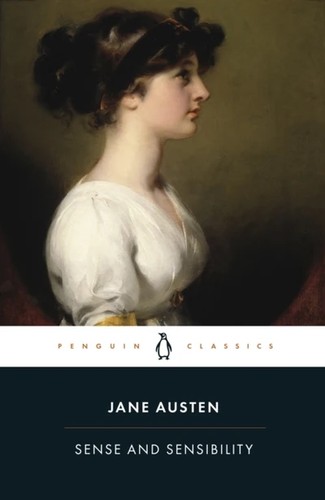
Check price of Sense and Sensibility on Amazon
What to Read Next
- Pride and Prejudice by Jane Austen: Austen's most famous novel
- Little Women by Louisa May Alcott: a classic about sisters
- Persuasion by Jane Austen: another quiet heroine with hidden feelings
Related: 15 Books Like Sense and Sensibility You’ll Love · Emma by Jane Austen: Summary and Key Takeaways
Frequently Asked Questions
What is Sense and Sensibility about?
Two sisters, one sensible and one passionate, face heartbreak and find love.
Who does Elinor marry?
Edward Ferrars.
Who does Marianne marry?
Colonel Brandon.
Who is Willoughby?
A charming man who breaks Marianne's heart for money.
Who is Lucy Steele?
A sly young woman secretly engaged to Edward.
Is there a film?
Yes. The 1995 film starred Emma Thompson and Kate Winslet.
Was it Austen's first novel?
It was her first published novel, in 1811.
What does “sensibility” mean?
Strong emotion and sensitivity, prized in Austen's era.
Is it a good first Austen?
Yes, though many start with Pride and Prejudice.
Who is Fanny Dashwood?
The sisters' greedy sister-in-law, who persuades her husband to give them almost nothing.
Is Sense and Sensibility worth reading?
It depends on what you want. The book is best for readers who love sister stories and quietly moving romance. If that describes you, it is likely a good fit. If not, the titles under What to Read Next may suit you better.