
Disclosure: As an Amazon Associate, Bookish Wisdom earns from qualifying purchases. This doesn't change our picks or your price.
TL;DR: Huck Finn fakes his own death to escape his violent father and floats down the Mississippi River on a raft with Jim, a man escaping slavery. Their adventures with con men, feuding families and small towns force Huck to choose between what society tells him and what his conscience knows is right.
Table of Contents
The Adventures of Huckleberry Finn at a Glance
| Author | Mark Twain |
| First published | 1884 |
| Type | Novel |
| Best for | readers who want a great American classic about friendship, freedom and conscience |
Adventures of Huckleberry Finn is a novel by Mark Twain, first published in 1884 in the UK and 1885 in the US. Told in Huck's own voice and dialect, it is a sequel to The Adventures of Tom Sawyer and one of the most important and most debated books in American literature. Below you will find a part-by-part summary, five key takeaways, ideas worth remembering and a note on who will enjoy it.
Content note: Uses racial slurs and depicts the racism of its time, which many schools discuss directly.
Main Characters
- Huckleberry Finn: A free-spirited boy who runs away from civilization.
- Jim: A man escaping slavery, kind and brave, who becomes Huck's friend.
- Pap Finn: Huck's violent, drunken father.
- The Duke and the King: Two con men who take over the raft.
- Tom Sawyer: Huck's imaginative friend from the earlier novel.
What Happens, Part by Part (Contains Spoilers)
Escape
Huck lives with the Widow Douglas, who tries to “civilize” him. His abusive father Pap kidnaps him and locks him in a cabin. Huck escapes by faking his own death and hides on Jackson's Island, where he meets Jim, who has run away because he was about to be sold away from his family.
Down the river
Huck and Jim travel by raft, planning to reach Cairo and go north to freedom. In fog, they miss Cairo. Huck plays a cruel trick on Jim and then apologizes, a big step for a boy raised to see Jim as property. A steamboat smashes their raft, and Huck is separated from Jim for a time.
The Grangerfords
Huck stays with the Grangerford family, who are locked in a deadly feud with the Shepherdsons. When the feud erupts into killing, Huck flees, horrified, and rejoins Jim on the river.
The Duke and the King
Two swindlers who call themselves a duke and a king take over the raft and run scams in river towns, including trying to steal an inheritance from three orphaned sisters. Huck helps the sisters. The con men then sell Jim back into slavery for money.
The ending
Huck decides to help Jim escape, even believing it will send him to hell, saying, “All right, then, I'll go to hell.” At the Phelps farm, Tom Sawyer arrives and turns the rescue into an elaborate game, and Tom is shot. Jim stays to help him, risking his freedom. Tom reveals that Jim was already freed in Miss Watson's will. Huck plans to head west to avoid being “sivilized”.
5 Key Takeaways
- Conscience can be more right than society's rules.
- Friendship can cross the lines society draws.
- Racism is shown as cruel and absurd.
- Freedom means different things to different people.
- Twain uses humor to criticize hypocrisy.
Ideas Worth Remembering
These are paraphrased, not direct quotes:
- Doing the right thing may mean breaking the rules.
- People are worth more than the labels society gives them.
- Kindness is a choice we make every day.
Who Should Read The Adventures of Huckleberry Finn?
Read Huckleberry Finn if you want a great American classic that is funny, adventurous and morally serious. It suits older teens and adults, ideally with discussion of its language and history.
Questions to Think About After Reading
These prompts work for solo reading, a book club or a classroom discussion of The Adventures of Huckleberry Finn:
- What does Huck learn from Jim?
- Why is the ending with Tom Sawyer controversial?
- How should schools teach a book with racist language?
How to Use This Summary
Use this page as a quick reference before a book club meeting, an exam, or a decision about whether The Adventures of Huckleberry Finn is worth your time. The takeaways are written to stand on their own. If a point interests you, go back to the book for the author's full story, characters and style, which no short summary can replace.
A Note on Accuracy and Spoilers
This summary is based on the published text of The Adventures of Huckleberry Finn, not on any film, series or stage adaptation, which often change the story. Details are kept at the level of the main events so that nothing is invented. Editions differ slightly in length and wording, so page numbers and small details may vary between copies.
Should You Read the Book?
If the summary caught your interest, read the opening chapters before you decide. A summary tells you what happens, but the voice and pacing are what make a book work or not.
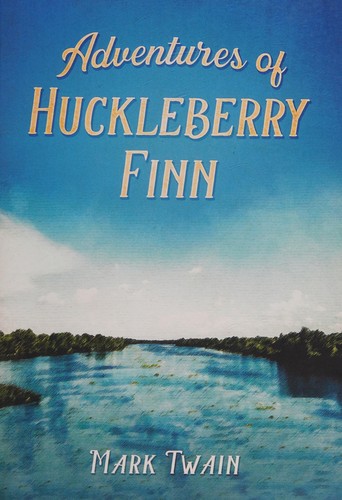
Check price of The Adventures of Huckleberry Finn on Amazon
What to Read Next
- The Adventures of Tom Sawyer by Mark Twain: the earlier, lighter adventure
- James by Percival Everett: the story retold from Jim's point of view
- To Kill a Mockingbird by Harper Lee: another classic about race and conscience
Frequently Asked Questions
What is Huckleberry Finn about?
A boy and a man escaping slavery travel down the Mississippi together.
Why is it controversial?
It uses racial slurs and depicts racism, which sparks debate about teaching it.
Who is Jim?
A man escaping slavery who becomes Huck's closest friend.
What is the famous line?
“All right, then, I'll go to hell.”
Is it a sequel?
Yes, to The Adventures of Tom Sawyer.
Who wrote it?
Mark Twain, the pen name of Samuel Clemens.
What age is it for?
It is usually read by students about 15 and up.
What is James by Percival Everett?
A 2024 novel retelling the story from Jim's perspective.
Was Jim already free?
Yes. Miss Watson freed him in her will before the rescue.
Is The Adventures of Huckleberry Finn worth reading?
It depends on what you want. The book is best for readers who want a great American classic about friendship, freedom and conscience. If that describes you, it is likely a good fit. If not, the titles under What to Read Next may suit you better.