
Disclosure: As an Amazon Associate, Bookish Wisdom earns from qualifying purchases. This doesn't change our picks or your price.
TL;DR: A tree loves a little boy. When he is young, he plays in her branches and eats her apples. As he grows older, he takes her apples to sell, her branches to build a house and her trunk to build a boat. Finally, as an old man, he sits on her stump to rest. And the tree is happy.
Table of Contents
The Giving Tree at a Glance
| Author | Shel Silverstein |
| First published | 1964 |
| Type | Picture book |
| Best for | readers of all ages who want a short, thought-provoking story about love and giving |
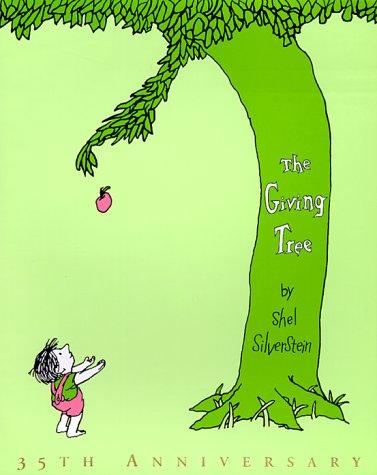
The Giving Tree is a picture book written and illustrated by Shel Silverstein, published in 1964. It is one of the best-selling children's books ever and one of the most debated, as readers argue about whether it shows selfless love or a harmful relationship. Below you will find a part-by-part summary, five key takeaways, ideas worth remembering and a note on who will enjoy it.
Main Characters
- The tree: A tree who loves the boy and gives everything.
- The boy: Who grows from a child into an old man.
- Apples: The tree's first gift.
- Branches and trunk: The tree's later gifts.
- The stump: All that remains of the tree.
What Happens, Part by Part (Contains Spoilers)
Childhood
The boy visits the tree every day. He gathers her leaves, makes crowns and pretends to be king of the forest. He climbs her trunk, swings from her branches and eats her apples. They play hide-and-seek, and he sleeps in her shade. The tree is happy.
Money
As the boy grows older, he comes less often. He wants money. The tree offers her apples to sell, and he takes them all. The tree is happy.
A house
Later, the boy, now a man, wants a house for a family. The tree offers her branches, and he cuts them off and carries them away. The tree is happy.
A boat
Years later, the man returns, sad and wanting to sail far away. The tree offers her trunk. He cuts it down, makes a boat and sails away. The tree is happy, but not really.
The ending
Finally, the boy returns as an old man. The tree has nothing left. He says he only needs a quiet place to sit and rest. The tree straightens her stump and offers it. The boy sits down, and the tree is happy.
5 Key Takeaways
- Love can involve deep sacrifice.
- Relationships need balance.
- Gratitude matters.
- Needs change as we grow.
- Simple stories can raise big questions.
Ideas Worth Remembering
These are paraphrased, not direct quotes:
- And the tree was happy.
- Giving can be joyful, but it should not be one-sided forever.
- Remember those who gave you everything.
Who Should Read The Giving Tree?
Read The Giving Tree if you want a short, moving story that sparks discussion. It suits children aged 4 and up and adults.
Questions to Think About After Reading
These prompts work for solo reading, a book club or a classroom discussion of The Giving Tree:
- Is the boy selfish?
- Is the tree truly happy?
- What could the boy have given back?
How to Use This Summary
Use this page as a quick reference before a book club meeting, an exam, or a decision about whether The Giving Tree is worth your time. The takeaways are written to stand on their own. If a point interests you, go back to the book for the author's full story, characters and style, which no short summary can replace.
A Note on Accuracy and Spoilers
This summary is based on the published text of The Giving Tree, not on any film, series or stage adaptation, which often change the story. Details are kept at the level of the main events so that nothing is invented. Editions differ slightly in length and wording, so page numbers and small details may vary between copies.
Should You Read the Book?
Yes, especially as a conversation starter. Some readers see it as a beautiful story of a parent's unconditional love. Others see a selfish boy and a tree who gives too much. Reading it together and talking about it is one of its biggest rewards.
Check price of The Giving Tree on Amazon
What to Read Next
- Where the Sidewalk Ends by Shel Silverstein: Silverstein's poetry collection
- Love You Forever by Robert Munsch: a mother's lifelong love
- The Lorax by Dr. Seuss: a story about trees and caring
Related: 15 Books Like The Giving Tree You’ll Love
Frequently Asked Questions
What is The Giving Tree about?
A tree gives everything to a boy throughout his life.
Who wrote it?
Shel Silverstein.
When was it published?
1964.
Is the ending happy or sad?
It is debated. The tree is happy, but many readers feel sad.
What does the tree give?
Apples, branches, trunk and finally her stump.
Why is it controversial?
Some see it as showing unhealthy, one-sided love.
What age is it for?
About 4 and up.
How long is it?
About 64 pages.
What does the tree represent?
Often a parent, nature or unconditional love.
Is it good for discussion?
Yes, it is widely used to talk about love, giving and gratitude.
Why are the pictures so simple?
Silverstein's black-and-white line drawings keep the focus on the tree and the boy.
Did Silverstein explain the meaning?
No. He said it was about a relationship between two people, one who gives and one who takes, and left the rest to readers.
Is The Giving Tree worth reading?
It depends on what you want. The book is best for readers of all ages who want a short, thought-provoking story about love and giving. If that describes you, it is likely a good fit. If not, the titles under What to Read Next may suit you better.