
Disclosure: As an Amazon Associate, Bookish Wisdom earns from qualifying purchases. This doesn't change our picks or your price.
TL;DR: Tom Wingfield, narrating from the future, remembers life in a cramped St. Louis apartment with his faded Southern mother Amanda and his painfully shy sister Laura, who cares for a collection of glass animals. Amanda's hopes rest on finding Laura a “gentleman caller”, and the evening one arrives breaks everyone's heart.
Table of Contents
The Glass Menagerie at a Glance
| Author | Tennessee Williams |
| First published | 1944 |
| Type | Play |
| Best for | readers who want a short, poetic play about family, memory and fragile dreams |
The Glass Menagerie is a memory play by Tennessee Williams, first staged in 1944. It launched his career and is based on his own family. Below you will find a scene-by-scene summary, five key takeaways, ideas worth remembering and a note on who will enjoy it.
Main Characters
- Tom Wingfield: The narrator, a frustrated warehouse worker who dreams of escape.
- Amanda Wingfield: Tom's mother, a former Southern belle clinging to the past.
- Laura Wingfield: Tom's shy sister, who walks with a limp and loves glass animals.
- Jim O'Connor: The “gentleman caller”, a former high school hero.
- Mr. Wingfield: The absent father, seen only in a photograph.
What Happens, Part by Part (Contains Spoilers)
Memory
Tom introduces the play as a memory, telling the audience it is not realistic. He describes 1930s St. Louis, his job at a shoe warehouse and his father, who abandoned the family long ago. His mother Amanda constantly reminds her children of her youth, when she had seventeen gentleman callers.
Laura's secret
Amanda discovers that Laura secretly dropped out of business school because she was too anxious, spending her days walking in the park. Amanda decides that Laura must marry, and she pressures Tom to bring home a suitable young man from his workplace.
Tom's restlessness
Tom fights with Amanda, who resents his late nights at the movies. He feels suffocated by his job and his duty to support the family, and he dreams of adventure like his father. He agrees to invite his coworker Jim O'Connor to dinner.
The gentleman caller
Jim, who was Laura's high school crush, comes to dinner. During a power cut, Jim and Laura talk by candlelight. He encourages her, dances with her and accidentally breaks the horn off her glass unicorn. He kisses her, then reveals he is engaged to another woman.
The ending
Amanda is furious, blaming Tom. Tom leaves the family for good, following his father's path. In his final speech, he admits he has never been able to forget Laura, telling her to blow out her candles, as the play ends in darkness.
5 Key Takeaways
- Memory shapes and softens the past.
- Escape from family duty brings both freedom and guilt.
- Fragile people can be hurt by the world's carelessness.
- Clinging to the past can prevent living in the present.
- Small moments of kindness can matter deeply.
Ideas Worth Remembering
These are paraphrased, not direct quotes:
- Some people are as fragile as glass.
- Leaving home doesn't mean leaving it behind.
- Hope can be both beautiful and painful.
Who Should Read The Glass Menagerie?
Read The Glass Menagerie if you want a short, moving play about family. It is often taught in high school and is quick to read.
Questions to Think About After Reading
These prompts work for solo reading, a book club or a classroom discussion of The Glass Menagerie:
- What does the glass unicorn symbolize?
- Is Tom right to leave?
- How does the memory-play style change the story?
How to Use This Summary
Use this page as a quick reference before a book club meeting, an exam, or a decision about whether The Glass Menagerie is worth your time. The takeaways are written to stand on their own. If a point interests you, go back to the book for the author's full story, characters and style, which no short summary can replace.
A Note on Accuracy and Spoilers
This summary is based on the published text of The Glass Menagerie, not on any film, series or stage adaptation, which often change the story. Details are kept at the level of the main events so that nothing is invented. Editions differ slightly in length and wording, so page numbers and small details may vary between copies.
Should You Read the Book?
If the summary caught your interest, read the opening chapters before you decide. A summary tells you what happens, but the voice and pacing are what make a book work or not.
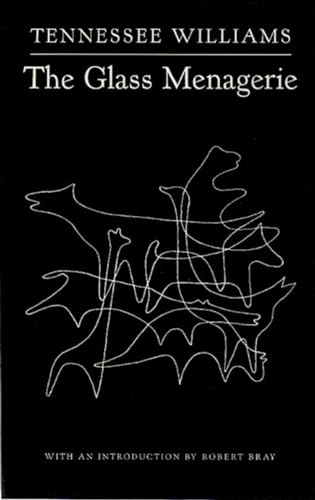
Check price of The Glass Menagerie on Amazon
What to Read Next
- A Streetcar Named Desire by Tennessee Williams: Williams's masterpiece
- Death of a Salesman by Arthur Miller: another American family tragedy
- Long Day's Journey into Night by Eugene O'Neill: a family's painful secrets
Related: 15 Books Like The Glass Menagerie You’ll Love
Frequently Asked Questions
What is The Glass Menagerie about?
A man remembers his mother and fragile sister and the visit of a gentleman caller.
What is a memory play?
A play presented as the narrator's memories rather than realistic events.
What does the glass unicorn symbolize?
Laura's uniqueness and fragility.
Is it autobiographical?
Yes. Laura is based on Williams's sister Rose.
How many characters are there?
Four onstage: Tom, Amanda, Laura and Jim.
When was it first performed?
In 1944.
How does it end?
Tom leaves home but remains haunted by memories of Laura.
Is there a film?
Yes. Versions came out in 1950 and 1987.
How long is the play?
It is short, with seven scenes.
What does Jim call Laura?
“Blue Roses”, a nickname from high school after he misheard “pleurosis”.
Is The Glass Menagerie worth reading?
It depends on what you want. The book is best for readers who want a short, poetic play about family, memory and fragile dreams. If that describes you, it is likely a good fit. If not, the titles under What to Read Next may suit you better.