
Disclosure: As an Amazon Associate, Bookish Wisdom earns from qualifying purchases. This doesn’t change our picks or your price.
Spoiler warning: This post explains the ending of The Great Gatsby in detail, including major twists. If you have not finished the book, stop here.
Quick answer: At the end of The Great Gatsby, Gatsby is shot dead by George Wilson, who believes Gatsby killed his wife Myrtle, though Daisy was actually driving. Almost no one comes to the funeral, and Nick leaves the East, reflecting on Gatsby’s dream and the green light.
Quick facts
Author: F. Scott Fitzgerald, published 1925
Genre: American classic
Main characters: Jay Gatsby, Nick Carraway, Daisy Buchanan, Tom Buchanan
Core event: Gatsby’s death
Setting: Long Island and New York, 1922
The Great Gatsby ends in tragedy and a famous closing image. After a hot afternoon in New York exposes the fragility of the characters’ relationships, an accident sets off a chain of events that leads to Gatsby’s death. This post explains the last chapters, who is responsible and what the green light means. Spoilers follow.
This post discusses violence and death.
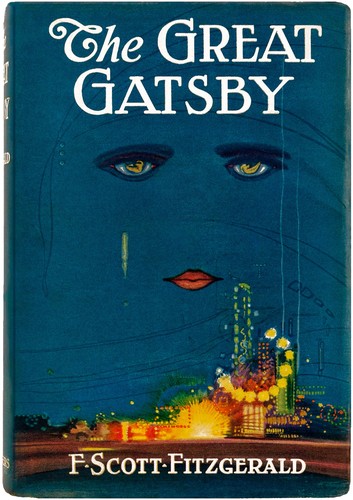
Check price of The Great Gatsby on Amazon
Table of Contents
What Happens at the End (Short Version)
After a confrontation at the Plaza Hotel, Gatsby and Daisy drive back to Long Island in Gatsby’s car, with Daisy at the wheel. She hits and kills Myrtle Wilson, Tom’s mistress. Gatsby takes the blame in his own mind. Tom tells George Wilson that the yellow car belonged to Gatsby. Wilson goes to Gatsby’s estate, shoots him in his pool and then kills himself. Almost nobody attends Gatsby’s funeral. Nick, disillusioned with the East, returns to the Midwest and reflects on Gatsby’s dream, ending with the image of boats against the current.
Daisy, Tom and the Cover-Up
Daisy, who killed Myrtle, retreats with Tom, and the two vanish, leaving others to deal with the consequences. Their carelessness is the story’s moral center. Nick later says they were careless people who smashed up things and creatures and retreated into their money. Gatsby’s willingness to take the blame shows his devotion, but it costs him his life.
George Wilson’s Revenge
Wilson, grief-stricken and unstable, is led by Tom’s lie to believe that Gatsby is Myrtle’s lover and killer. He follows the trail of the yellow car and kills Gatsby. His act is a tragic misdirection, a poor man’s rage deflected by the rich.
The Funeral
Gatsby had thrown legendary parties, but few attend his funeral. Nick, his father and a few others are present. The empty ceremony underscores the superficiality of the crowd that had enjoyed his hospitality. It reveals how isolated he was despite his fame.
Gatsby’s Real Identity
Throughout the book, the origin of Gatsby’s wealth is a mystery. The truth, revealed near the end, is that he was born James Gatz, a poor farm boy from North Dakota who reinvented himself and made his fortune through criminal associations. His dream was to win Daisy by becoming rich enough. The reveal shows the cost of self-invention.
The Green Light
The green light at the end of Daisy’s dock represents Gatsby’s longing for a future he thinks he can recapture. In the final lines, Nick connects it to the American dream and the idea that we keep striving toward a receding past: ‘So we beat on, boats against the current, borne back ceaselessly into the past.’ The image captures the novel’s bittersweet view of hope.
Nick’s Decision to Leave
Nick, the narrator, is disgusted by the Buchanans and saddened by Gatsby’s fate. He returns to the Midwest, finding the East haunted. His departure completes his arc from fascinated outsider to disillusioned observer.
Clues and Foreshadowing
Early hints include the contrast between old money and new money, the careless driving of Jordan Baker and the symbolism of the Valley of Ashes. The eyes of Doctor T.J. Eckleburg watch over the moral wasteland. Gatsby’s staged elegance conceals fragility.
What Happens to Each Character
Gatsby and Wilson die. Myrtle is dead. Tom and Daisy retreat into wealth. Nick leaves the East. Jordan drifts out of Nick’s life. The ending offers no justice for the careless.
Themes: Dreams, Class and Illusion
The novel critiques the American dream, showing how class barriers and moral compromise shape fortunes. It also explores nostalgia and the impossibility of recreating the past. Several film adaptations, including Baz Luhrmann’s 2013 version, interpret the story with different emphasis.
How to Reread The Great Gatsby Knowing the Ending
A second reading of The Great Gatsby is a good way to test how fair the ending really is. Look for early moments that hint at what is coming, such as an offhand comment, a repeated image or a character who reacts oddly. Ask whether the author played fair or relied on surprise alone. Track the narrator’s reliability: where do they leave things out, and why? Reading with the ending in mind also lets you enjoy the craft, how sentences, pacing and structure serve the final moments. If you have a book club, ask each member to bring one passage that reads differently on a reread, and compare them.
Questions to Discuss After Finishing The Great Gatsby
- Which moment in The Great Gatsby changed how you saw the story, and why?
- Did the ending feel earned, or did it surprise you in a way that felt unfair?
- Which character’s choices did you understand best, and which frustrated you?
- What do you think the author wanted readers to take away?
- Would you change anything about the ending?
- How does the book’s setting shape its events?
- Which scene stayed with you after you finished?
- Who would you recommend The Great Gatsby to, and who might want to skip it?
How to Recommend The Great Gatsby Without Spoilers
If you want to recommend The Great Gatsby without ruining it, talk about the mood and the questions the book raises instead of the plot. Say whether it is fast or slow, funny or grim, and what kind of reader will enjoy it. Avoid saying ‘you will not see the end coming’ or ‘the twist is amazing,’ since both prime a reader to hunt for clues. If a friend has already started the book, ask what they think is happening and listen without correcting. Spoilers spread quickly online, so mute discussion threads until you finish. And if you do accidentally reveal something, apologize and suggest reading anyway; many readers find the journey still rewarding.
Why Endings Like This One Divide Readers
Part of the fun of a book like The Great Gatsby is arguing about its ending. Readers bring their own experiences, so the same final pages can feel hopeful to one person and bleak to another. Notice how your reaction changes over time; many readers rate a book higher a week after finishing, once the shock has settled and the structure becomes visible. Reading other people’s interpretations, in a club or online, can reveal angles you missed, but avoid letting a loud theory replace your own response. The text itself is the final authority, and rereading the last chapters is the best way to test any claim. Disagreement is not a sign that someone read it wrong; it is a sign that the book is doing its job.
Processing a Heavy Ending
Some endings, including the one in The Great Gatsby, leave a residue. If you feel unsettled, give yourself time before starting another book, or choose something light for a few days. Talking with a friend who has read it can help, as can writing down what you felt in a few sentences. If the book touched a personal experience, such as loss, abuse or illness, be gentle with yourself and step away from social media discussions that feel intense. Reading about hard subjects can build empathy and understanding, but it can also stir difficult feelings, and it is fine to stop or to return later. If something in the story brought up distress that does not pass, talking to a trusted person or professional is a good step.
What to Read After The Great Gatsby
After finishing The Great Gatsby, you may want something that echoes its mood or something that cleanses the palate. If you loved the suspense, look for authors who work in the same vein and read their most acclaimed titles first. If you wanted more character depth, try literary fiction with a similar theme. If the ending left you bleak, a funny novel or a cozy mystery can reset your reading mood. Libraries and bookstores often shelve read-alike recommendations near popular titles, and librarians are happy to help. Keep a short list of what worked for you in this book, whether pacing, voice or structure, and use it to guide your next pick.
Reading Journal Prompts for The Great Gatsby
If you like to process books in writing, try these prompts after finishing:
- Write three sentences about how you felt in the last chapter and one sentence about how you felt a day later.
- List the three moments that changed how you saw the story.
- Note a detail you would have missed without knowing the ending.
- Write a paragraph in the voice of the character you understood best.
- Describe what you would say to the author if you could ask one question.
- Rate the ending from one to five and explain what would have raised your score.
A Book Club Plan for The Great Gatsby
A book club discussion of The Great Gatsby works best when members share first reactions before debating details. Start with a quick round where each person gives the ending a score from one to five and says in one sentence why. Then move through three topics: the twist or central question, the characters’ choices and the author’s craft. Save the hardest question, such as whether the ending was fair or what really happened, for the middle of the evening, when everyone is warmed up. Close with a vote on the most interesting line or scene, and ask what each person will read next. If members disagree, encourage them to point to passages instead of only opinions. Serve something simple so the conversation stays the focus, and agree in advance that spoilers are welcome.
Books Like The Great Gatsby
The Catcher in the Rye by J.D. Salinger. A teenager wanders New York after leaving school.
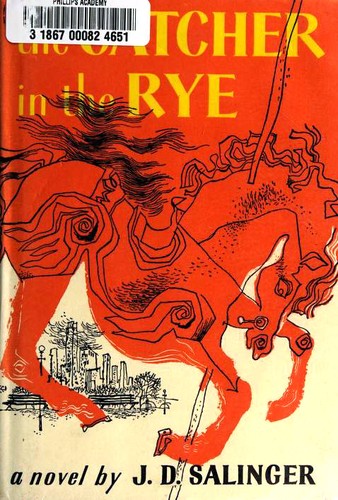
Check price of The Catcher in the Rye on Amazon
Revolutionary Road by Richard Yates. A suburban couple’s dreams crumble.
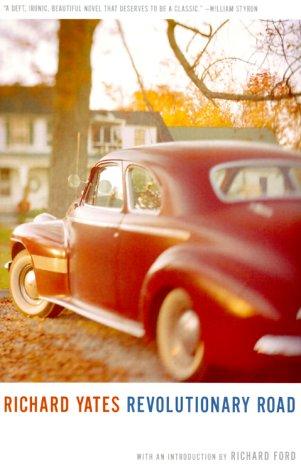
Check price of Revolutionary Road on Amazon
The Age of Innocence by Edith Wharton. A lawyer in Gilded Age New York falls for the wrong woman.
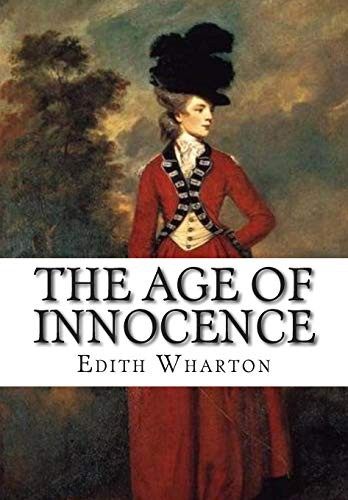
Check price of The Age of Innocence on Amazon
Related: 15 Books Like The Great Gatsby You’ll Love: Jazz Age Glamour and Tragedy · Tender Is the Night by F. Scott Fitzgerald: Summary and Key Takeaways
Frequently Asked Questions
Who kills Gatsby?
George Wilson shoots Gatsby, believing he killed Myrtle.
Who killed Myrtle?
Daisy, driving Gatsby’s car.
What does the green light mean?
It symbolizes Gatsby’s longing and the elusive American dream.
Why do so few people attend the funeral?
Gatsby’s party guests were interested in his hospitality, not him.
Does Nick end up with Jordan?
No, their relationship fades.
Is Gatsby really great?
The title is ironic and debated; he is admirable in devotion but flawed.