
Disclosure: As an Amazon Associate, Bookish Wisdom earns from qualifying purchases. This doesn't change our picks or your price.
TL;DR: Kind, naive Samuel Pickwick and three friends of the Pickwick Club travel around England reporting on what they see. Their trips bring comic misadventures, from hunts and elections to a breach-of-promise lawsuit that lands Mr. Pickwick in debtors' prison. With his clever servant Sam Weller, Pickwick learns about kindness and the world.
Table of Contents
The Pickwick Papers at a Glance
| Author | Charles Dickens |
| First published | 1837 |
| Type | Novel |
| Best for | readers who want Dickens at his funniest and most good-natured |
The Pickwick Papers (The Posthumous Papers of the Pickwick Club) was Charles Dickens's first novel, published in monthly parts in 1836–37. It made Dickens famous. Below you will find a part-by-part summary, five key takeaways, ideas worth remembering and a note on who will enjoy it.
Content note: Includes drinking and mild comic violence.
Main Characters
- Samuel Pickwick: The kindly, innocent founder of the Pickwick Club.
- Sam Weller: Pickwick's witty, loyal servant.
- Mr. Tupman, Mr. Snodgrass and Mr. Winkle: Pickwick's friends, a romantic, a poet and a would-be sportsman.
- Alfred Jingle: A smooth-talking con man.
- Mrs. Bardell: Pickwick's landlady, who sues him.
What Happens, Part by Part (Contains Spoilers)
The travels begin
Mr. Pickwick and his friends set out to observe English life. They meet the fast-talking stranger Alfred Jingle, who charms and cheats them, and visit the cheerful Wardle family at Dingley Dell, where they enjoy country sports, cricket and Christmas. Jingle runs off with Mr. Wardle's spinster sister for her money.
Sam Weller
Chasing Jingle, Pickwick meets Sam Weller, a quick-witted London bootblack, and hires him as his servant. Sam's sayings and street wisdom make him the book's star and one of Dickens's most popular characters. Sam's father, Tony Weller, a coachman, adds more comedy.
Bardell against Pickwick
Pickwick tells his landlady, Mrs. Bardell, he is thinking of hiring a servant. She thinks he is proposing marriage and faints into his arms. Two shady lawyers, Dodson and Fogg, encourage her to sue for breach of promise. In a famous trial scene, Pickwick loses and is ordered to pay damages.
The Fleet Prison
On principle, Pickwick refuses to pay and goes to the Fleet debtors' prison. There he sees real misery and finds Jingle, now ruined and starving. Pickwick helps him. Sam deliberately gets himself imprisoned to stay with his master. When Mrs. Bardell is herself jailed by her lawyers for costs, Pickwick pays to free them both.
Happy endings
Pickwick helps his friends' romances: Winkle marries Arabella Allen, and Snodgrass marries Emily Wardle. Sam marries the maid Mary. Pickwick dissolves the club and retires to a house near London, content to enjoy his friends' happiness.
5 Key Takeaways
- Kindness and good humor are powerful.
- Innocence can be both a weakness and a strength.
- The legal system can be absurd and unjust.
- Loyalty, like Sam's, is priceless.
- Seeing real suffering can deepen a person.
Ideas Worth Remembering
These are paraphrased, not direct quotes:
- Laughter can carry serious truths.
- Generosity toward an enemy can redeem both.
- A good friend is worth more than any club.
Who Should Read The Pickwick Papers?
Read The Pickwick Papers if you enjoy comic novels, travel stories and Dickens's humor. It suits teens and adults.
Questions to Think About After Reading
These prompts work for solo reading, a book club or a classroom discussion of The Pickwick Papers:
- Why is Sam Weller so popular?
- Is Mr. Pickwick foolish or wise?
- How does the prison episode change the tone?
How to Use This Summary
Use this page as a quick reference before a book club meeting, an exam, or a decision about whether The Pickwick Papers is worth your time. The takeaways are written to stand on their own. If a point interests you, go back to the book for the author's full story, characters and style, which no short summary can replace.
A Note on Accuracy and Spoilers
This summary is based on the published text of The Pickwick Papers, not on any film, series or stage adaptation, which often change the story. Details are kept at the level of the main events so that nothing is invented. Editions differ slightly in length and wording, so page numbers and small details may vary between copies.
Should You Read the Book?
Yes, if you like episodic comedy. It is loose and rambling, but very funny, and Sam Weller is a delight.
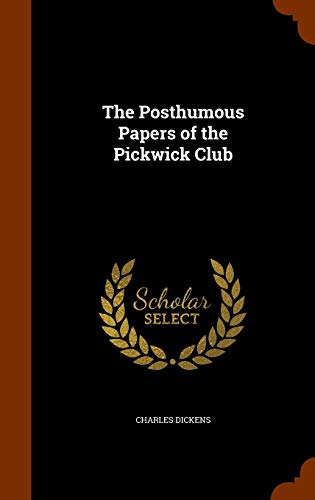
Check price of The Pickwick Papers on Amazon
What to Read Next
- Nicholas Nickleby by Charles Dickens: another lively comic adventure
- Three Men in a Boat by Jerome K. Jerome: gentle English comedy
- Don Quixote by Miguel de Cervantes: a naive gentleman and his servant
Related: Our Mutual Friend by Charles Dickens: Summary and Key Takeaways · Nicholas Nickleby by Charles Dickens: Summary and Key Takeaways
Frequently Asked Questions
What is The Pickwick Papers about?
The comic travels of Mr. Pickwick and his friends around England.
Who wrote it?
Charles Dickens, his first novel.
Who is Sam Weller?
Pickwick's witty, loyal servant.
Why is Pickwick sued?
His landlady believes he proposed to her.
Does Pickwick go to prison?
Yes, to the Fleet debtors' prison, because he refuses to pay damages.
When was it published?
In monthly parts from 1836 to 1837.
What age is it for?
Teens and adults.
How long is it?
About 800 pages.
Who is Alfred Jingle?
A charming con man who later reforms.
Is it a novel?
It began as loosely linked sketches and became Dickens's first novel.
Who are the main characters in The Pickwick Papers?
The main characters are Samuel Pickwick, Sam Weller, Mr. Tupman, Mr. Snodgrass and Mr. Winkle, Alfred Jingle and Mrs. Bardell. Samuel Pickwick: The kindly, innocent founder of the Pickwick Club. Sam Weller: Pickwick's witty, loyal servant. Mr. Tupman, Mr. Snodgrass and Mr. Winkle: Pickwick's friends, a romantic, a poet and a would-be sportsman.
Is The Pickwick Papers worth reading?
It depends on what you want. The book is best for readers who want Dickens at his funniest and most good-natured. If that describes you, it is likely a good fit. If not, the titles under What to Read Next may suit you better.