
Disclosure: As an Amazon Associate, Bookish Wisdom earns from qualifying purchases. This doesn't change our picks or your price.
TL;DR: Tony Webster, a retired, mild-mannered man, looks back on his school friends and his difficult university girlfriend, Veronica. When a lawyer's letter informs him he has been left the diary of his brilliant friend Adrian, who killed himself decades earlier, Tony is forced to question his memories and discovers a truth about his own past behavior that shatters his comfortable self-image.
Table of Contents
The Sense of an Ending at a Glance
| Author | Julian Barnes |
| First published | 2011 |
| Type | Novel |
| Best for | readers who enjoy short, thoughtful novels about memory and regret |
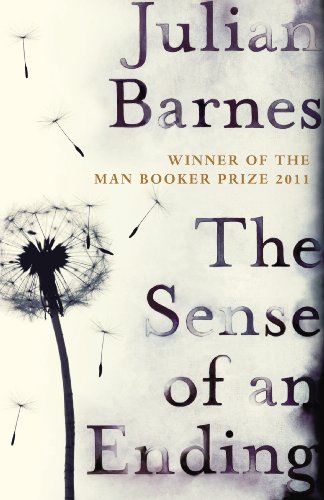
The Sense of an Ending is a novel by Julian Barnes, published in 2011. It won the Man Booker Prize. Below you will find a part-by-part summary, five key takeaways, ideas worth remembering and a note on who will enjoy it.
Content note: Includes suicide and a cruel letter.
Main Characters
- Tony Webster: The narrator, a retired man reviewing his life.
- Adrian Finn: Tony's brilliant school friend.
- Veronica Ford: Tony's former girlfriend.
- Sarah Ford: Veronica's mother, who leaves Tony money and a diary.
- Margaret: Tony's ex-wife and confidante.
What Happens, Part by Part (Contains Spoilers)
School days
In the 1960s, Tony and his friends admire Adrian, a serious, philosophical newcomer at their London school. They debate history and memory in class. A classmate's suicide raises questions about what we can know about the past.
Veronica
At university, Tony dates Veronica, who keeps him at a distance. A weekend with her family is awkward, though her mother, Sarah, is oddly warm to him. After they break up, Veronica begins dating Adrian. Tony writes them a bitter letter. Soon after, Adrian kills himself, leaving a note about the logic of choosing death.
Forty years later
Tony, now retired and divorced, receives a lawyer's letter: Sarah Ford has left him five hundred pounds and Adrian's diary. Veronica refuses to hand over the diary. Tony contacts her and tries to understand why.
The letter
Veronica gives Tony a copy of his old letter, which shocks him. It is cruel, cursing the couple and wishing that any child of theirs would suffer. Tony had forgotten its viciousness. Veronica takes him to meet a group of disabled adults, including a man named Adrian, but Tony misunderstands who he is.
The truth
Tony finally learns that the younger Adrian is the son of Adrian Finn and Sarah, Veronica's mother. Adrian Finn's affair with Sarah produced a child born with disabilities, and Adrian killed himself after learning of the pregnancy. Tony realizes his letter may have played a part in the tragedy and that his memory of himself as harmless was false.
5 Key Takeaways
- Memory is unreliable and self-serving.
- Our past actions can have consequences we never see.
- History is shaped by what we choose to remember.
- Regret can arrive decades later.
- Responsibility does not fade with time.
Ideas Worth Remembering
These are paraphrased, not direct quotes:
- We tell ourselves stories that protect us.
- Words written in anger can do lasting harm.
- Understanding often comes too late.
Who Should Read The Sense of an Ending?
Read The Sense of an Ending if you like short literary novels with a mystery at their heart. It suits adults.
Questions to Think About After Reading
These prompts work for solo reading, a book club or a classroom discussion of The Sense of an Ending:
- Can Tony trust his own memories?
- How responsible is Tony for what happened?
- What does the title mean?
How to Use This Summary
Use this page as a quick reference before a book club meeting, an exam, or a decision about whether The Sense of an Ending is worth your time. The takeaways are written to stand on their own. If a point interests you, go back to the book for the author's full story, characters and style, which no short summary can replace.
A Note on Accuracy and Spoilers
This summary is based on the published text of The Sense of an Ending, not on any film, series or stage adaptation, which often change the story. Details are kept at the level of the main events so that nothing is invented. Editions differ slightly in length and wording, so page numbers and small details may vary between copies.
Should You Read the Book?
Yes. It is brief but layered, and its final revelation makes many readers immediately reread it.
Check price of The Sense of an Ending on Amazon
What to Read Next
- The Remains of the Day by Kazuo Ishiguro: an unreliable narrator looks back
- Atonement by Ian McEwan: an act with lifelong consequences
- Stoner by John Williams: a quiet life reconsidered
Frequently Asked Questions
What is The Sense of an Ending about?
A retired man discovers that his memories of his youth, and his part in a friend's suicide, are not what he believed.
Who wrote it?
Julian Barnes, in 2011.
Did it win the Booker Prize?
Yes, the 2011 Man Booker Prize.
Why did Adrian kill himself?
The novel suggests it followed his affair with Sarah and her pregnancy.
Who is the younger Adrian?
The son of Adrian Finn and Sarah Ford.
What was in Tony's letter?
Cruel words cursing Adrian and Veronica's relationship.
What age is it for?
Adults.
How long is it?
About 150 pages.
Is there a film?
Yes, a 2017 film with Jim Broadbent.
Is the ending clear?
It is deliberately ambiguous in places, inviting rereading.
Who are the main characters in The Sense of an Ending?
The main characters are Tony Webster, Adrian Finn, Veronica Ford, Sarah Ford and Margaret. Tony Webster: The narrator, a retired man reviewing his life. Adrian Finn: Tony's brilliant school friend. Veronica Ford: Tony's former girlfriend.
Is The Sense of an Ending worth reading?
It depends on what you want. The book is best for readers who enjoy short, thoughtful novels about memory and regret. If that describes you, it is likely a good fit. If not, the titles under What to Read Next may suit you better.