
Disclosure: As an Amazon Associate, Bookish Wisdom earns from qualifying purchases. This doesn't change our picks or your price.
Spoiler warning: this analysis discusses the whole book, including the ending of An Artist of the Floating World.
Quick answer: The main themes in An Artist of the Floating World by Kazuo Ishiguro are memory and self-deception, guilt and responsibility, art and politics, change and generations and reputation. Each is explained below with what it means, how it develops in the story and questions you can use for study or discussion.
Quick facts
- Book: An Artist of the Floating World by Kazuo Ishiguro
- First published: 1986
- Main themes: memory and self-deception, guilt and responsibility, art and politics, change and generations and reputation
Table of Contents
About An Artist of the Floating World
In postwar Japan between 1948 and 1950, the ageing painter Masuji Ono reflects on his career. Once he was respected, but his art supported Japan's militarism before the war. Now, as he tries to arrange a marriage for his younger daughter Noriko, he worries that his past might damage her chances. As he looks back, his memories are unreliable, and readers slowly see the truth about his influence and the price others paid for it.
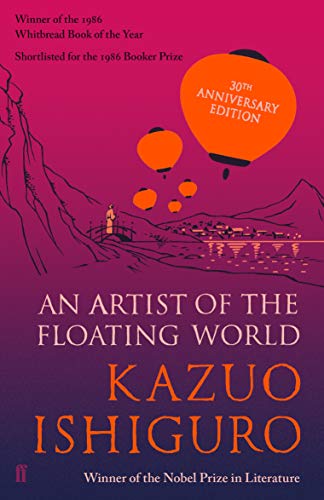
Check price of An Artist of the Floating World on Amazon
The Main Themes in An Artist of the Floating World
1. Memory and self-deception
Ono's memories are selective and self-serving. Ishiguro shows how people reshape the past to protect their self-image.
Question to consider: Where in An Artist of the Floating World does memory and self-deception matter most to the characters, and what does Kazuo Ishiguro want readers to think about it?
2. Guilt and responsibility
Ono gradually confronts his role in supporting the war. The novel explores how individuals share blame for national disasters.
Question to consider: Where in An Artist of the Floating World does guilt and responsibility matter most to the characters, and what does Kazuo Ishiguro want readers to think about it?
3. Art and politics
Ono used his art for propaganda. The book asks what responsibility artists have for the messages they spread.
Question to consider: Where in An Artist of the Floating World does art and politics matter most to the characters, and what does Kazuo Ishiguro want readers to think about it?
4. Change and generations
Postwar Japan is changing fast, and the young reject the old ways. Ono struggles to find his place.
Question to consider: Where in An Artist of the Floating World does change and generations matter most to the characters, and what does Kazuo Ishiguro want readers to think about it?
5. Reputation
Ono worries about how others see him. The novel shows the power of reputation.
Question to consider: Where in An Artist of the Floating World does reputation matter most to the characters, and what does Kazuo Ishiguro want readers to think about it?
Symbols and Motifs
- The floating world. It represents pleasure and fleeting beauty.
- Ono's house. It symbolises status and the past.
- The bridge of hesitation. It stands for uncertainty.
- The paintings. They represent art's power.
How the Themes Connect
Memory and self-deception shape the narrative, while guilt and responsibility slowly surface. Art and politics are linked through Ono's career, and the changing generations show how Japan moves on. Reputation drives his worries, and the novel quietly suggests that facing the past honestly is the only way to make peace with it.
How to Write About the Themes of An Artist of the Floating World
If you are writing an essay or preparing for class, these steps help:
- Pick one theme. A focused argument is stronger than a list of everything.
- Find evidence in the text. Point to specific scenes, characters and choices rather than general impressions.
- Explain, don't just describe. After each example, say what it shows about the theme.
- Connect to the ending. Ask how the final chapters resolve or complicate the theme.
- Consider other readings. A fair essay acknowledges that readers can disagree.
Discussion Questions
- Which of the themes above feels most relevant to your own life, and why?
- Do the characters in An Artist of the Floating World handle memory and self-deception well or badly?
- How does the title relate to the themes of the book?
- Would the story change if it were set in a different time or place?
- What does Kazuo Ishiguro leave unresolved, and why might that be?
Books With Similar Themes
- The Remains of the Day by Kazuo Ishiguro
- Never Let Me Go by Kazuo Ishiguro
Related: An Artist of the Floating World by Kazuo Ishiguro: Summary and Key Takeaways · An Artist of the Floating World Book Club Discussion Questions
Frequently Asked Questions
What is the main theme of An Artist of the Floating World?
The central theme is memory and self-deception, supported by guilt and responsibility and art and politics.
How many themes does An Artist of the Floating World have?
This guide covers 5 main themes, but readers may find others.
Who wrote An Artist of the Floating World?
An Artist of the Floating World was written by Kazuo Ishiguro and first published in 1986.
Is An Artist of the Floating World a good book for studying themes?
Yes. Its themes are clear enough to follow and rich enough to support essays and group discussion.
What should I read after An Artist of the Floating World?
Try The Remains of the Day by Kazuo Ishiguro or Never Let Me Go by Kazuo Ishiguro.