
Disclosure: As an Amazon Associate, Bookish Wisdom earns from qualifying purchases. This doesn't change our picks or your price.
Spoiler warning: this analysis discusses the whole book, including the ending of And Then There Were None.
Quick answer: The main themes in And Then There Were None by Agatha Christie are guilt and justice, fear and paranoia, conscience, isolation and order and chaos. Each is explained below with what it means, how it develops in the story and questions you can use for study or discussion.
Quick facts
- Book: And Then There Were None by Agatha Christie
- First published: 1939
- Main themes: guilt and justice, fear and paranoia, conscience, isolation and order and chaos
Table of Contents
About And Then There Were None
Ten strangers are invited to Soldier Island off the coast of Devon by a mysterious host, U.N. Owen, who never appears. At dinner, a gramophone record accuses each guest of having caused someone's death and escaped justice. One by one, the guests are killed, following the lines of a nursery rhyme framed in each bedroom. With no one else on the island, they realise the killer must be one of them.
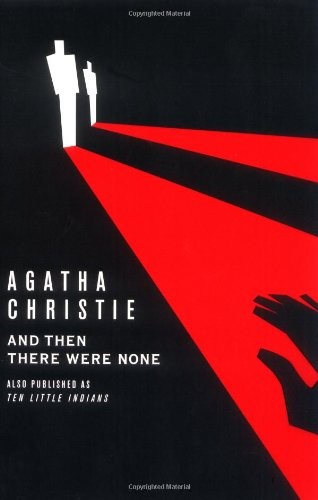
Check price of And Then There Were None on Amazon
The Main Themes in And Then There Were None
1. Guilt and justice
Each guest is guilty of a crime the law could not punish. Christie asks whether such people deserve punishment, and who has the right to deliver it.
Question to consider: Where in And Then There Were None does guilt and justice matter most to the characters, and what does Agatha Christie want readers to think about it?
2. Fear and paranoia
As the deaths continue, the survivors turn on each other. Christie shows how fear destroys trust and reason.
Question to consider: Where in And Then There Were None does fear and paranoia matter most to the characters, and what does Agatha Christie want readers to think about it?
3. Conscience
Several characters are haunted by guilt. The novel explores how conscience punishes.
Question to consider: Where in And Then There Were None does conscience matter most to the characters, and what does Agatha Christie want readers to think about it?
4. Isolation
The island cuts them off. Isolation increases tension.
Question to consider: Where in And Then There Were None does isolation matter most to the characters, and what does Agatha Christie want readers to think about it?
5. Order and chaos
The nursery rhyme creates order in chaos.
Question to consider: Where in And Then There Were None does order and chaos matter most to the characters, and what does Agatha Christie want readers to think about it?
Symbols and Motifs
- The nursery rhyme. It represents fate.
- The figurines. They symbolise each death.
- The island. It stands for isolation.
- The gramophone. It represents accusation.
How the Themes Connect
Guilt and justice set up the story, while fear and paranoia drive it forward. Conscience haunts the guests, and isolation removes any escape. The nursery rhyme imposes deadly order on chaos, making this one of the most famous mystery novels ever written.
How to Write About the Themes of And Then There Were None
If you are writing an essay or preparing for class, these steps help:
- Pick one theme. A focused argument is stronger than a list of everything.
- Find evidence in the text. Point to specific scenes, characters and choices rather than general impressions.
- Explain, don't just describe. After each example, say what it shows about the theme.
- Connect to the ending. Ask how the final chapters resolve or complicate the theme.
- Consider other readings. A fair essay acknowledges that readers can disagree.
Discussion Questions
- Which of the themes above feels most relevant to your own life, and why?
- Do the characters in And Then There Were None handle guilt and justice well or badly?
- How does the title relate to the themes of the book?
- Would the story change if it were set in a different time or place?
- What does Agatha Christie leave unresolved, and why might that be?
Books With Similar Themes
- Murder on the Orient Express by Agatha Christie
- The Hound of the Baskervilles by Arthur Conan Doyle
Related: And Then There Were None by Agatha Christie: Summary and Key Takeaways · And Then There Were None Ending Explained
Frequently Asked Questions
What is the main theme of And Then There Were None?
The central theme is guilt and justice, supported by fear and paranoia and conscience.
How many themes does And Then There Were None have?
This guide covers 5 main themes, but readers may find others.
Who wrote And Then There Were None?
And Then There Were None was written by Agatha Christie and first published in 1939.
Is And Then There Were None a good book for studying themes?
Yes. Its themes are clear enough to follow and rich enough to support essays and group discussion.
What should I read after And Then There Were None?
Try Murder on the Orient Express by Agatha Christie or The Hound of the Baskervilles by Arthur Conan Doyle.