
Disclosure: As an Amazon Associate, Bookish Wisdom earns from qualifying purchases. This doesn't change our picks or your price.
Spoiler warning: this analysis discusses the whole book, including the ending of Emma.
Quick answer: The main themes in Emma by Jane Austen are self-knowledge, class, matchmaking and manipulation, love and community. Each is explained below with what it means, how it develops in the story and questions you can use for study or discussion.
Quick facts
- Book: Emma by Jane Austen
- First published: 1815
- Main themes: self-knowledge, class, matchmaking and manipulation, love and community
Table of Contents
About Emma
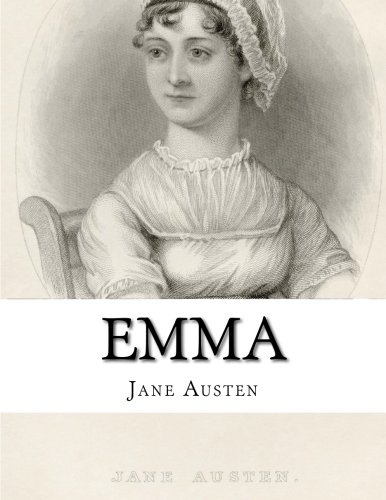
Emma Woodhouse is “handsome, clever and rich,” and she lives contentedly with her anxious father in the village of Highbury. Believing she made a successful match between her former governess and Mr. Weston, Emma decides to play matchmaker for her new friend, Harriet Smith, a sweet young woman of unknown parentage. Emma persuades Harriet to reject a respectable farmer, Robert Martin, and pursue Mr. Elton, a vain and ambitious local gentleman, who actually wants to marry Emma herself. Emma's meddling causes confusion until she realises her own feelings for the wise Mr. Knightley. Austen wrote it while living in the quiet village of Chawton, and it was the last novel published in her lifetime.
The Main Themes in Emma
1. Self-knowledge
Emma must learn to see her own mistakes. Austen shows growth through humility.
Question to consider: Where in Emma does self-knowledge matter most to the characters, and what does Jane Austen want readers to think about it?
2. Class
Emma's snobbery harms Harriet. She thinks Robert Martin beneath Harriet.
Question to consider: Where in Emma does class matter most to the characters, and what does Jane Austen want readers to think about it?
3. Matchmaking and manipulation
Emma meddles in others' lives. She ignores warnings.
Question to consider: Where in Emma does matchmaking and manipulation matter most to the characters, and what does Jane Austen want readers to think about it?
4. Love
Emma realises she loves Knightley. Knightley loves her honesty.
Question to consider: Where in Emma does love matter most to the characters, and what does Jane Austen want readers to think about it?
5. Community
Highbury is a close community. Gossip and visits fill the village.
Question to consider: Where in Emma does community matter most to the characters, and what does Jane Austen want readers to think about it?
Symbols and Motifs
- The riddles. They represent misunderstanding. Mr. Elton's riddle confuses Emma.
- Box Hill. Emma's insult there symbolises her lowest moment. She mocks poor Miss Bates.
- The piano. It stands for secrets. Frank Churchill's gift reveals his engagement.
- Hartfield. It represents comfort. Her home reflects her comfortable life.
How the Themes Connect
Self-knowledge, class, manipulation, love and community shape the novel. Austen called Emma a heroine “whom no one but myself will much like,” yet readers love her growth. The novel inspired the film Clueless. Emma's humbling at Box Hill is a turning point. It is Austen's funniest and most playful novel.
How to Write About the Themes of Emma
If you are writing an essay or preparing for class, these steps help:
- Pick one theme. A focused argument is stronger than a list of everything.
- Find evidence in the text. Point to specific scenes, characters and choices rather than general impressions.
- Explain, don't just describe. After each example, say what it shows about the theme.
- Connect to the ending. Ask how the final chapters resolve or complicate the theme.
- Consider other readings. A fair essay acknowledges that readers can disagree.
Discussion Questions
- Which of the themes above feels most relevant to your own life, and why?
- Do the characters in Emma handle self-knowledge well or badly?
- How does the title relate to the themes of the book?
- Would the story change if it were set in a different time or place?
- What does Jane Austen leave unresolved, and why might that be?
Books With Similar Themes
- Pride and Prejudice by Jane Austen
- Persuasion by Jane Austen
Related: Emma by Jane Austen: Summary and Key Takeaways · Emma Ending Explained
Frequently Asked Questions
What is the main theme of Emma?
The central theme is self-knowledge, supported by class and matchmaking and manipulation.
How many themes does Emma have?
This guide covers 5 main themes, but readers may find others.
Who wrote Emma?
Emma was written by Jane Austen and first published in 1815.
Is Emma a good book for studying themes?
Yes. Its themes are clear enough to follow and rich enough to support essays and group discussion.
What should I read after Emma?
Try Pride and Prejudice by Jane Austen or Persuasion by Jane Austen.