
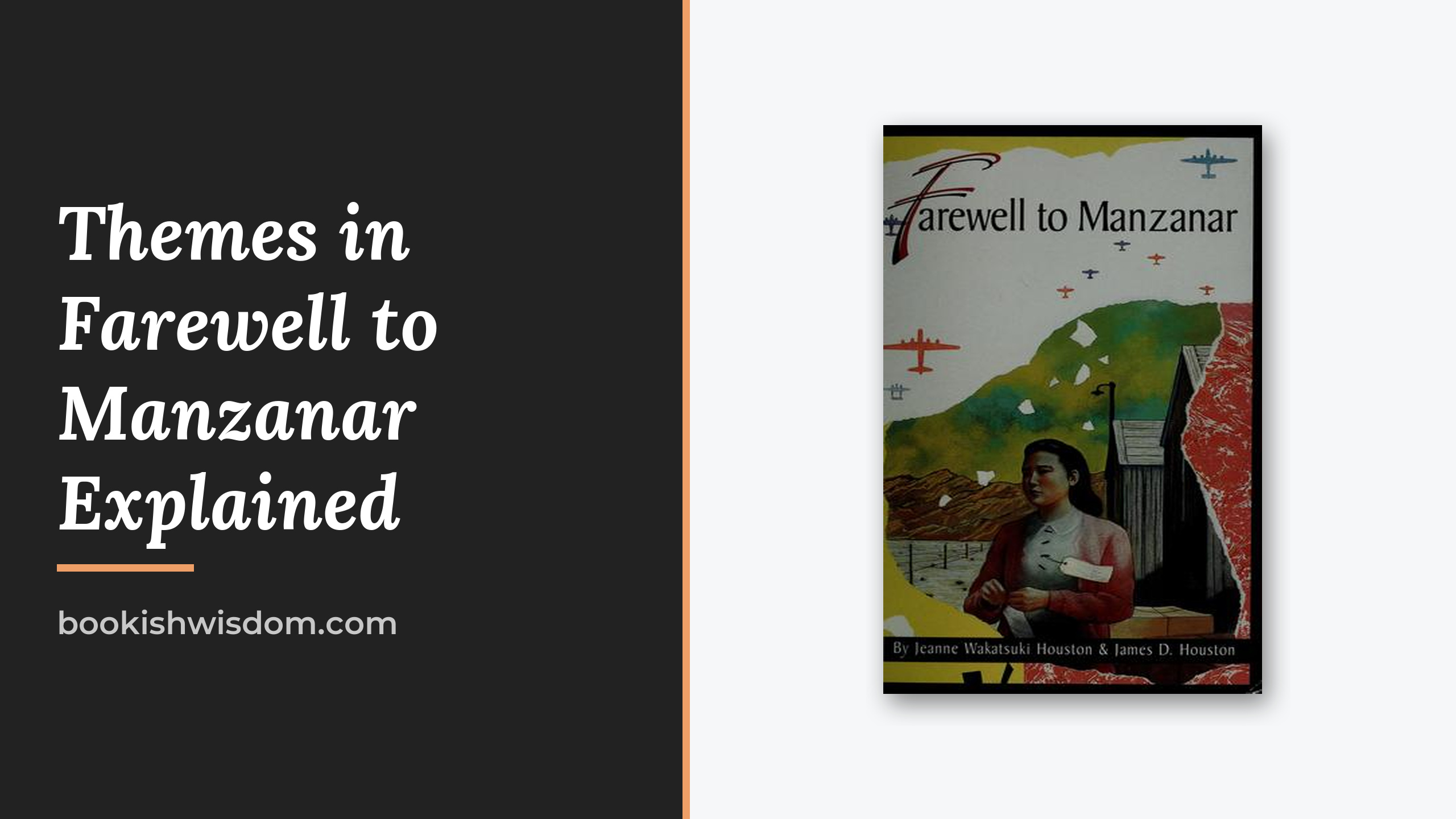
Disclosure: As an Amazon Associate, Bookish Wisdom earns from qualifying purchases. This doesn't change our picks or your price.
Spoiler warning: this analysis discusses the whole book, including the ending of Farewell to Manzanar.
Quick answer: The main themes in Farewell to Manzanar by Jeanne Wakatsuki Houston and James D. Houston are racism and injustice, family breakdown, identity, resilience and memory and healing. Each is explained below with what it means, how it develops in the story and questions you can use for study or discussion.
Quick facts
- Book: Farewell to Manzanar by Jeanne Wakatsuki Houston and James D. Houston
- First published: 1973
- Main themes: racism and injustice, family breakdown, identity, resilience and memory and healing
Table of Contents
About Farewell to Manzanar
After the bombing of Pearl Harbor in 1941, seven-year-old Jeanne Wakatsuki and her Japanese American family are forced from their home in California and sent to Manzanar, an internment camp in the desert. Her father, accused of supplying oil to Japanese submarines, is arrested and later returns broken and bitter. In this memoir, Jeanne describes life in the camp, from crowded barracks and dust storms to baton twirling and school, and the lasting effects on her family and her sense of self.
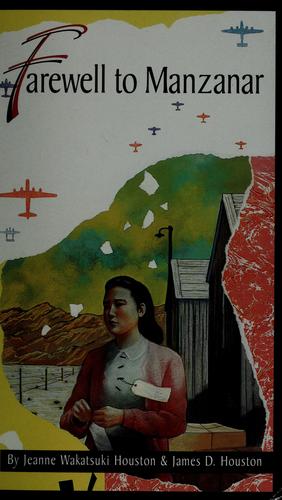
Check price of Farewell to Manzanar on Amazon
The Main Themes in Farewell to Manzanar
1. Racism and injustice
Japanese Americans were imprisoned only because of their ancestry. The memoir shows the injustice and humiliation of internment and how it affected children.
Question to consider: Where in Farewell to Manzanar does racism and injustice matter most to the characters, and what does Jeanne Wakatsuki Houston and James D. Houston want readers to think about it?
2. Family breakdown
Camp life weakens the family. Meals in mess halls replace family dinners, and Jeanne's father's pride is shattered. The memoir shows how injustice damages families.
Question to consider: Where in Farewell to Manzanar does family breakdown matter most to the characters, and what does Jeanne Wakatsuki Houston and James D. Houston want readers to think about it?
3. Identity
Jeanne struggles to know whether she is Japanese or American. After the war she tries to fit in by being as American as possible.
Question to consider: Where in Farewell to Manzanar does identity matter most to the characters, and what does Jeanne Wakatsuki Houston and James D. Houston want readers to think about it?
4. Resilience
Despite the hardship, people build gardens, schools and communities in the camp. The memoir celebrates resilience.
Question to consider: Where in Farewell to Manzanar does resilience matter most to the characters, and what does Jeanne Wakatsuki Houston and James D. Houston want readers to think about it?
5. Memory and healing
Decades later, Jeanne returns to Manzanar. The memoir shows how facing the past can bring healing.
Question to consider: Where in Farewell to Manzanar does memory and healing matter most to the characters, and what does Jeanne Wakatsuki Houston and James D. Houston want readers to think about it?
Symbols and Motifs
- The barracks. They represent loss of privacy and dignity.
- The father's cane. It symbolises his pride and decline.
- The baton. Jeanne's baton twirling stands for her desire to be American.
- The desert. It represents isolation and hardship.
How the Themes Connect
Racism and injustice are the memoir's foundation, while family breakdown shows the personal cost of internment. Identity explains Jeanne's struggle to belong, and resilience shows how people survived. Memory and healing tie it together, as Jeanne's return to Manzanar helps her make peace with the past and share a story many Americans did not want to hear.
How to Write About the Themes of Farewell to Manzanar
If you are writing an essay or preparing for class, these steps help:
- Pick one theme. A focused argument is stronger than a list of everything.
- Find evidence in the text. Point to specific scenes, characters and choices rather than general impressions.
- Explain, don't just describe. After each example, say what it shows about the theme.
- Connect to the ending. Ask how the final chapters resolve or complicate the theme.
- Consider other readings. A fair essay acknowledges that readers can disagree.
Discussion Questions
- Which of the themes above feels most relevant to your own life, and why?
- Do the characters in Farewell to Manzanar handle racism and injustice well or badly?
- How does the title relate to the themes of the book?
- Would the story change if it were set in a different time or place?
- What does Jeanne Wakatsuki Houston and James D. Houston leave unresolved, and why might that be?
Books With Similar Themes
- Citizen 13660 by Mine Okubo
- Snow Falling on Cedars by David Guterson
Related: Farewell to Manzanar by Jeanne Wakatsuki Houston and James D. Houston: Summary and Key Takeaways · What Age Is Farewell to Manzanar Appropriate For? A Parent’s Guide
Frequently Asked Questions
What is the main theme of Farewell to Manzanar?
The central theme is racism and injustice, supported by family breakdown and identity.
How many themes does Farewell to Manzanar have?
This guide covers 5 main themes, but readers may find others.
Who wrote Farewell to Manzanar?
Farewell to Manzanar was written by Jeanne Wakatsuki Houston and James D. Houston and first published in 1973.
Is Farewell to Manzanar a good book for studying themes?
Yes. Its themes are clear enough to follow and rich enough to support essays and group discussion.
What should I read after Farewell to Manzanar?
Try Citizen 13660 by Mine Okubo or Snow Falling on Cedars by David Guterson.