
Disclosure: As an Amazon Associate, Bookish Wisdom earns from qualifying purchases. This doesn't change our picks or your price.
Spoiler warning: this analysis discusses the whole book, including the ending of Invisible Cities.
Quick answer: The main themes in Invisible Cities by Italo Calvino are memory, desire, language and storytelling, empire and limits and the ideal city. Each is explained below with what it means, how it develops in the story and questions you can use for study or discussion.
Quick facts
- Book: Invisible Cities by Italo Calvino
- First published: 1972
- Main themes: memory, desire, language and storytelling, empire and limits and the ideal city
Table of Contents
About Invisible Cities
The young Venetian traveler Marco Polo describes the cities of his journeys to the aging emperor Kublai Khan. Each short description presents a fantastical city: a city of memories, a city of desires, a city built on stilts, a city where the dead live alongside the living. As their conversations continue, Kublai suspects that every city Marco describes is really Venice. The book is divided into fifty-five cities grouped under themes such as memory, desire, signs and the dead.
Check price of Invisible Cities on Amazon
The Main Themes in Invisible Cities
1. Memory
Cities like Zaira hold memories in their streets. Calvino shows how places carry the past. In one city, the past is written in the corners of streets and the railings of windows, so knowing the city means knowing its history.
Question to consider: Where in Invisible Cities does memory matter most to the characters, and what does Italo Calvino want readers to think about it?
2. Desire
Some cities fulfill desires, others frustrate them. Travelers arrive at some cities by following a dream, only to find the city built to trap that dream.
Question to consider: Where in Invisible Cities does desire matter most to the characters, and what does Italo Calvino want readers to think about it?
3. Language and storytelling
Marco's descriptions may be invented. The book asks whether words can capture reality. Marco cannot speak Kublai's language at first and communicates with gestures and objects, which raises questions about what any description leaves out.
Question to consider: Where in Invisible Cities does language and storytelling matter most to the characters, and what does Italo Calvino want readers to think about it?
4. Empire and limits
Kublai's empire is crumbling, and he can only know it through Marco's stories. Kublai realizes his empire is too vast to see, and Marco's stories are the only way he can know it.
Question to consider: Where in Invisible Cities does empire and limits matter most to the characters, and what does Italo Calvino want readers to think about it?
5. The ideal city
The conversations explore what a perfect city might be. Each description suggests a different idea of how people might live together.
Question to consider: Where in Invisible Cities does the ideal city matter most to the characters, and what does Italo Calvino want readers to think about it?
Symbols and Motifs
- Venice. Represents home and the origin of all comparisons.
- The chessboard. Kublai's chess game represents the attempt to understand the empire through patterns.
- The atlas. Represents the possibility of all cities.
- The final passage. The last lines advise finding what is good amid suffering and giving it room to last.
How the Themes Connect
The themes connect through Marco's imaginative descriptions. Memory, desire and storytelling shape each city. Invisible Cities is a favorite of architects and urban planners. Calvino's playful structure, based on mathematical patterns, makes it unlike any other novel. Readers often reread it slowly, a few cities at a time. The book's short chapters make it easy to dip into, and many readers have a favorite city they return to.
How to Write About the Themes of Invisible Cities
If you are writing an essay or preparing for class, these steps help:
- Pick one theme. A focused argument is stronger than a list of everything.
- Find evidence in the text. Point to specific scenes, characters and choices rather than general impressions.
- Explain, don't just describe. After each example, say what it shows about the theme.
- Connect to the ending. Ask how the final chapters resolve or complicate the theme.
- Consider other readings. A fair essay acknowledges that readers can disagree.
Discussion Questions
- Which of the themes above feels most relevant to your own life, and why?
- Do the characters in Invisible Cities handle memory well or badly?
- How does the title relate to the themes of the book?
- Would the story change if it were set in a different time or place?
- What does Italo Calvino leave unresolved, and why might that be?
Books With Similar Themes
-
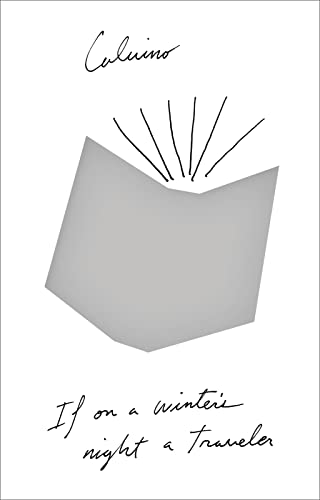
If on a Winter's Night a Traveler by Italo Calvino
-
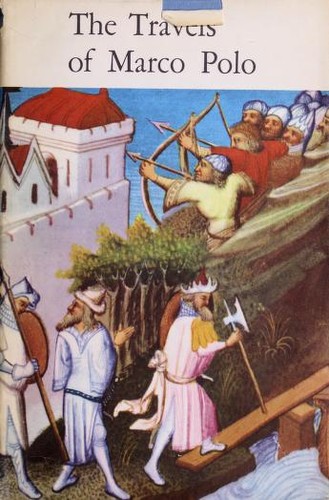
The Travels of Marco Polo by Marco Polo
Related: If on a winter’s night a traveler by Italo Calvino: Summary and Key Takeaways
Frequently Asked Questions
What is the main theme of Invisible Cities?
The central theme is memory, supported by desire and language and storytelling.
How many themes does Invisible Cities have?
This guide covers 5 main themes, but readers may find others.
Who wrote Invisible Cities?
Invisible Cities was written by Italo Calvino and first published in 1972.
Is Invisible Cities a good book for studying themes?
Yes. Its themes are clear enough to follow and rich enough to support essays and group discussion.
What should I read after Invisible Cities?
Try If on a Winter's Night a Traveler by Italo Calvino or The Travels of Marco Polo by Marco Polo.