
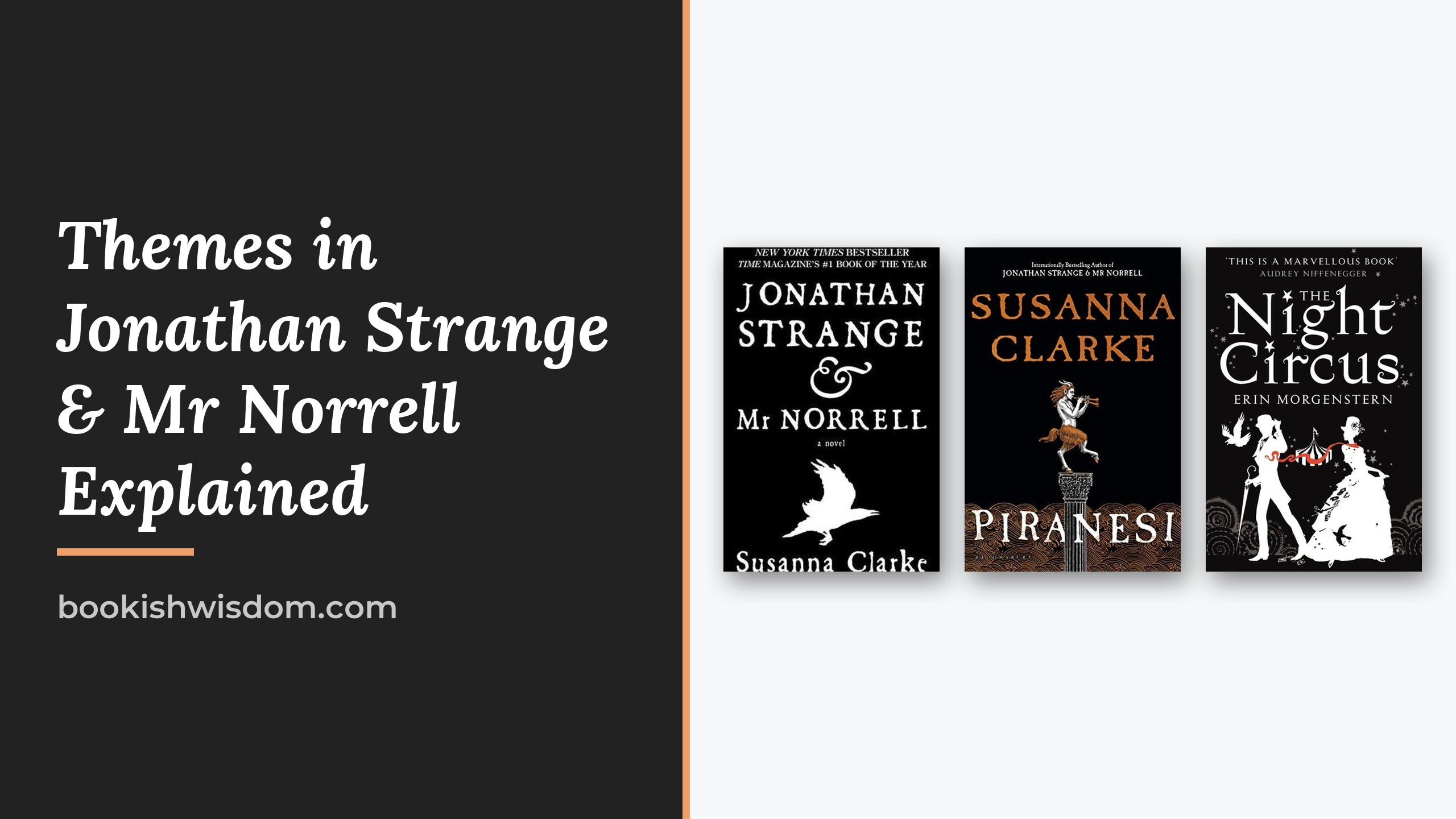
Disclosure: As an Amazon Associate, Bookish Wisdom earns from qualifying purchases. This doesn't change our picks or your price.
Spoiler warning: this analysis discusses the whole book, including the ending of Jonathan Strange & Mr Norrell.
Quick answer: The main themes in Jonathan Strange & Mr Norrell by Susanna Clarke are rivalry and friendship, knowledge and its control, magic and reason, Englishness and the cost of ambition. Each is explained below with what it means, how it develops in the story and questions you can use for study or discussion.
Quick facts
- Book: Jonathan Strange & Mr Norrell by Susanna Clarke
- First published: 2004
- Main themes: rivalry and friendship, knowledge and its control, magic and reason, Englishness and the cost of ambition
Table of Contents
About Jonathan Strange & Mr Norrell
In early nineteenth-century England, magic has faded into scholarly study. Then the reclusive, bookish Mr Norrell of Hurtfew Abbey reveals he can do practical magic, making the statues of York Cathedral speak. He moves to London, where he helps the government fight Napoleon. A second magician appears: the young, charming Jonathan Strange, whom Norrell takes as his pupil. As Strange serves under Wellington in the Peninsular War, the two men clash over the return of English magic and the fairy world. Meanwhile, a fairy gentleman with thistle-down hair has enchanted several people. The novel is written in the style of a nineteenth-century novel, with witty narration that recalls Jane Austen and Charles Dickens.
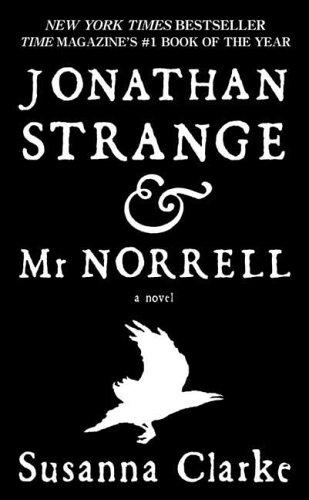
Check price of Jonathan Strange & Mr Norrell on Amazon
The Main Themes in Jonathan Strange & Mr Norrell
1. Rivalry and friendship
Strange and Norrell are teacher and student, partners and rivals. Their relationship mixes admiration and jealousy, and the novel shows how two very different minds both need and resent each other.
Question to consider: Where in Jonathan Strange & Mr Norrell does rivalry and friendship matter most to the characters, and what does Susanna Clarke want readers to think about it?
2. Knowledge and its control
Norrell hoards magic books to keep power. Strange believes knowledge should be shared. Clarke explores who owns knowledge.
Question to consider: Where in Jonathan Strange & Mr Norrell does knowledge and its control matter most to the characters, and what does Susanna Clarke want readers to think about it?
3. Magic and reason
Magic returns to an age of reason. The novel blends history and fantasy.
Question to consider: Where in Jonathan Strange & Mr Norrell does magic and reason matter most to the characters, and what does Susanna Clarke want readers to think about it?
4. Englishness
The book imagines English history with magic, full of Regency manners.
Question to consider: Where in Jonathan Strange & Mr Norrell does Englishness matter most to the characters, and what does Susanna Clarke want readers to think about it?
5. The cost of ambition
Strange's pursuit of magic costs him his wife and nearly his sanity.
Question to consider: Where in Jonathan Strange & Mr Norrell does the cost of ambition matter most to the characters, and what does Susanna Clarke want readers to think about it?
Symbols and Motifs
- The Raven King. Represents England's lost wild magic.
- Norrell's library. Represents hoarded knowledge.
- The fairy gentleman. Represents dangerous enchantment.
- The footnotes. Represent scholarship and a whole hidden history.
How the Themes Connect
The themes connect through the rivalry of two magicians. Knowledge, ambition and Englishness shape their struggle. Clarke spent ten years writing the novel, which won the Hugo Award. The BBC adapted it in 2015. Its many footnotes tell stories of earlier magicians, building a whole invented history of English magic that readers love to explore.
How to Write About the Themes of Jonathan Strange & Mr Norrell
If you are writing an essay or preparing for class, these steps help:
- Pick one theme. A focused argument is stronger than a list of everything.
- Find evidence in the text. Point to specific scenes, characters and choices rather than general impressions.
- Explain, don't just describe. After each example, say what it shows about the theme.
- Connect to the ending. Ask how the final chapters resolve or complicate the theme.
- Consider other readings. A fair essay acknowledges that readers can disagree.
Discussion Questions
- Which of the themes above feels most relevant to your own life, and why?
- Do the characters in Jonathan Strange & Mr Norrell handle rivalry and friendship well or badly?
- How does the title relate to the themes of the book?
- Would the story change if it were set in a different time or place?
- What does Susanna Clarke leave unresolved, and why might that be?
Books With Similar Themes
-
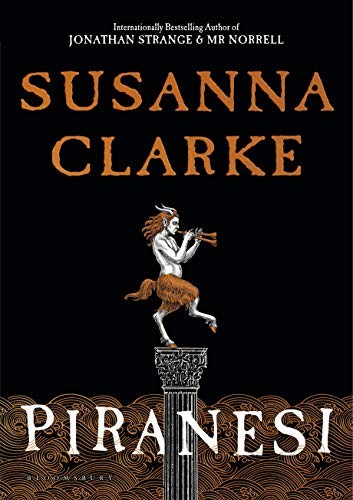
Piranesi by Susanna Clarke
-
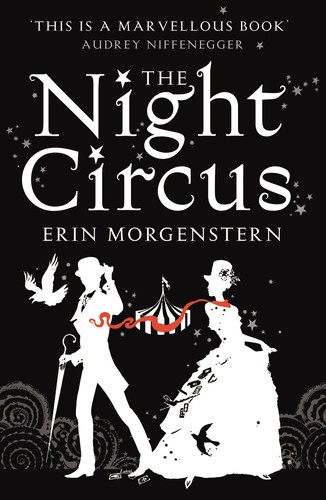
The Night Circus by Erin Morgenstern
Related: Jonathan Strange & Mr Norrell by Susanna Clarke: Summary and Key Takeaways · Jonathan Strange & Mr Norrell Characters: A Complete Guide
Frequently Asked Questions
What is the main theme of Jonathan Strange & Mr Norrell?
The central theme is rivalry and friendship, supported by knowledge and its control and magic and reason.
How many themes does Jonathan Strange & Mr Norrell have?
This guide covers 5 main themes, but readers may find others.
Who wrote Jonathan Strange & Mr Norrell?
Jonathan Strange & Mr Norrell was written by Susanna Clarke and first published in 2004.
Is Jonathan Strange & Mr Norrell a good book for studying themes?
Yes. Its themes are clear enough to follow and rich enough to support essays and group discussion.
What should I read after Jonathan Strange & Mr Norrell?
Try Piranesi by Susanna Clarke or The Night Circus by Erin Morgenstern.