
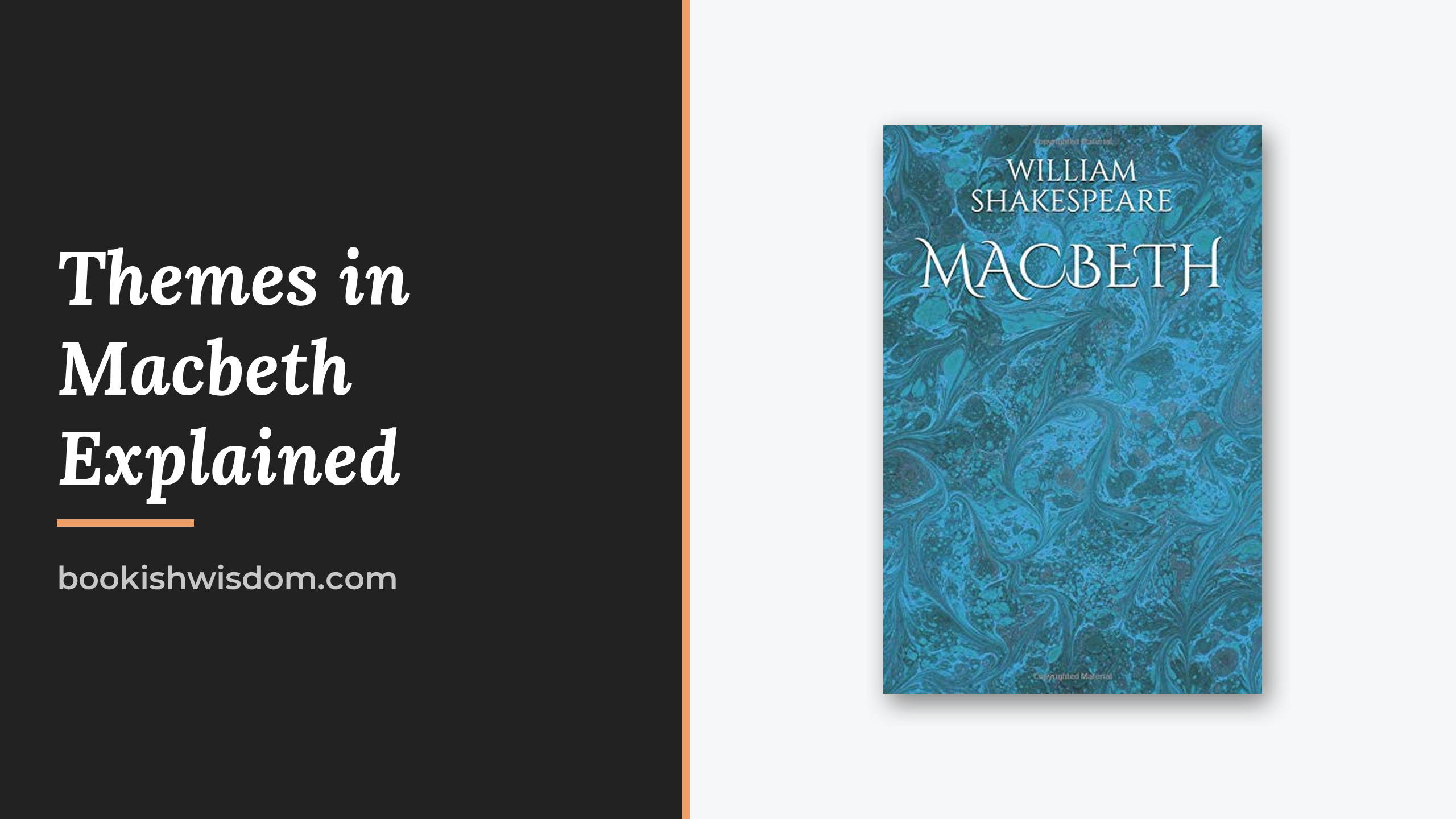
Disclosure: As an Amazon Associate, Bookish Wisdom earns from qualifying purchases. This doesn't change our picks or your price.
Spoiler warning: this analysis discusses the whole book, including the ending of Macbeth.
Quick answer: The main themes in Macbeth by William Shakespeare are ambition, guilt, fate and free will, power and tyranny and appearance and reality. Each is explained below with what it means, how it develops in the story and questions you can use for study or discussion.
Quick facts
- Book: Macbeth by William Shakespeare
- First published: 1606
- Main themes: ambition, guilt, fate and free will, power and tyranny and appearance and reality
Table of Contents
About Macbeth
After a victorious battle, the Scottish nobleman Macbeth meets three witches who predict he will become king. Urged on by his ambitious wife, Lady Macbeth, he murders King Duncan and takes the throne. To protect his power, he commits more murders, including the family of Macduff. Guilt drives Lady Macbeth to madness, and Macbeth becomes a tyrant. Finally, the witches' prophecies come true in unexpected ways and Macbeth is killed.
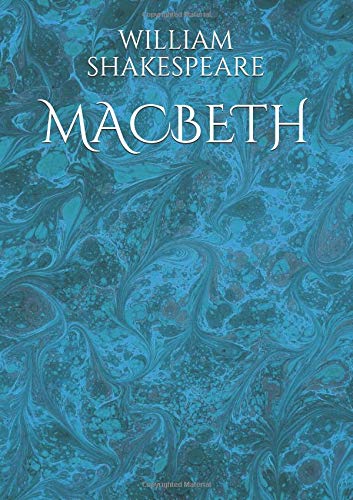
Check price of Macbeth on Amazon
The Main Themes in Macbeth
1. Ambition
Macbeth's ambition drives him to murder. Shakespeare shows how unchecked ambition destroys. He kills a king, a friend and a family, and every crime leaves him more alone.
Question to consider: Where in Macbeth does ambition matter most to the characters, and what does William Shakespeare want readers to think about it?
2. Guilt
Both Macbeths are haunted by guilt. Lady Macbeth's sleepwalking shows guilt's power. Water cannot wash it away, and sleep brings no rest.
Question to consider: Where in Macbeth does guilt matter most to the characters, and what does William Shakespeare want readers to think about it?
3. Fate and free will
The witches predict the future, but Macbeth chooses to act. The play asks how much is fate. The prophecies tempt him, but each choice is his own.
Question to consider: Where in Macbeth does fate and free will matter most to the characters, and what does William Shakespeare want readers to think about it?
4. Power and tyranny
Macbeth becomes a tyrant. The play shows how power corrupts. His rule becomes a reign of fear that Scotland finally rises against.
Question to consider: Where in Macbeth does power and tyranny matter most to the characters, and what does William Shakespeare want readers to think about it?
5. Appearance and reality
“Fair is foul, and foul is fair.” Nothing is as it seems. Friendly faces hide treachery, and prophecies hide double meanings.
Question to consider: Where in Macbeth does appearance and reality matter most to the characters, and what does William Shakespeare want readers to think about it?
Symbols and Motifs
- Blood. It represents guilt.
- The dagger. It symbolises temptation.
- Sleep. It stands for innocence lost.
- Birnam Wood. It represents fate.
How the Themes Connect
Ambition starts the tragedy, and guilt follows. Fate and free will raise questions, while power corrupts. Appearance and reality tie it all together. The witches never force Macbeth to kill, which is why the play feels so modern: it is about choices. Each murder makes the next easier, until Macbeth no longer feels fear or love. Lady Macbeth's collapse and Macbeth's bleak speech about life as “a tale told by an idiot” show the empty end of ambition without conscience.
How to Write About the Themes of Macbeth
If you are writing an essay or preparing for class, these steps help:
- Pick one theme. A focused argument is stronger than a list of everything.
- Find evidence in the text. Point to specific scenes, characters and choices rather than general impressions.
- Explain, don't just describe. After each example, say what it shows about the theme.
- Connect to the ending. Ask how the final chapters resolve or complicate the theme.
- Consider other readings. A fair essay acknowledges that readers can disagree.
Discussion Questions
- Which of the themes above feels most relevant to your own life, and why?
- Do the characters in Macbeth handle ambition well or badly?
- How does the title relate to the themes of the book?
- Would the story change if it were set in a different time or place?
- What does William Shakespeare leave unresolved, and why might that be?
Books With Similar Themes
Related: Macbeth by William Shakespeare: Summary and Key Takeaways · Macbeth Ending Explained
Frequently Asked Questions
What is the main theme of Macbeth?
The central theme is ambition, supported by guilt and fate and free will.
How many themes does Macbeth have?
This guide covers 5 main themes, but readers may find others.
Who wrote Macbeth?
Macbeth was written by William Shakespeare and first published in 1606.
Is Macbeth a good book for studying themes?
Yes. Its themes are clear enough to follow and rich enough to support essays and group discussion.
What should I read after Macbeth?
Try Hamlet by William Shakespeare or Othello by William Shakespeare.