
Disclosure: As an Amazon Associate, Bookish Wisdom earns from qualifying purchases. This doesn't change our picks or your price.
Spoiler warning: this analysis discusses the whole book, including the ending of Maus.
Quick answer: The main themes in Maus by Art Spiegelman are the Holocaust, fathers and sons, survival and guilt, memory and storytelling and identity. Each is explained below with what it means, how it develops in the story and questions you can use for study or discussion.
Quick facts
- Book: Maus by Art Spiegelman
- First published: 1986
- Main themes: the Holocaust, fathers and sons, survival and guilt, memory and storytelling and identity
Table of Contents
About Maus
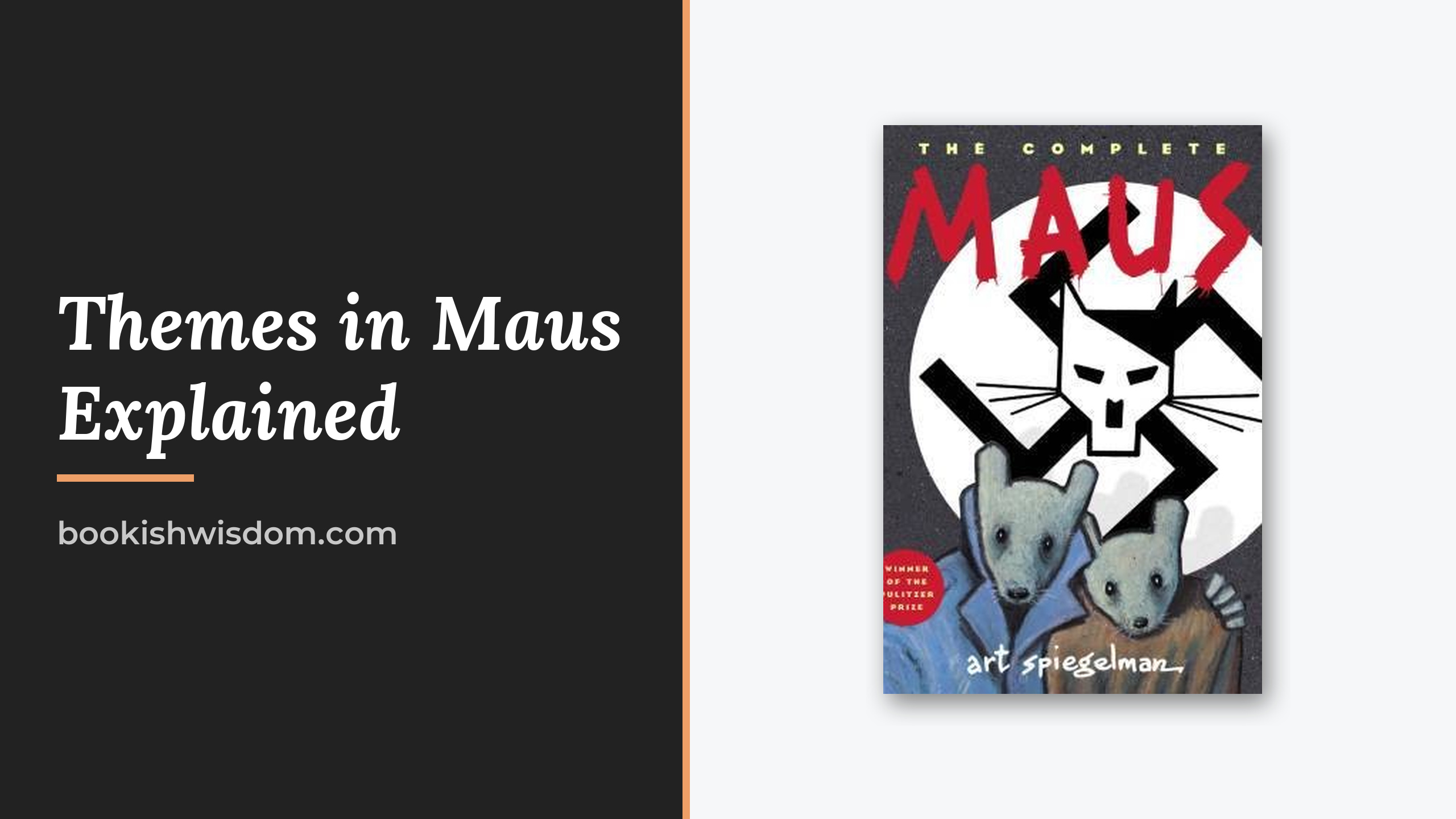
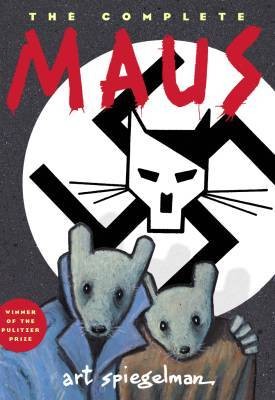
In this graphic memoir, cartoonist Art Spiegelman interviews his father, Vladek, about his experiences as a Polish Jew during the Holocaust. Vladek describes hiding, being captured and surviving Auschwitz. The story also shows Art's difficult relationship with his ageing, stubborn father in 1970s New York. Jews are drawn as mice, Germans as cats and Poles as pigs.
The Main Themes in Maus
1. The Holocaust
Maus tells the story of survival and loss. Vladek's story shows the step-by-step persecution of Polish Jews.
Question to consider: Where in Maus does the Holocaust matter most to the characters, and what does Art Spiegelman want readers to think about it?
2. Fathers and sons
Art and Vladek's relationship is strained. Art resents his father's stinginess and racism, while Vladek is haunted by trauma.
Question to consider: Where in Maus does fathers and sons matter most to the characters, and what does Art Spiegelman want readers to think about it?
3. Survival and guilt
Vladek's survival leaves scars. Art's mother Anja survived but later died by suicide.
Question to consider: Where in Maus does survival and guilt matter most to the characters, and what does Art Spiegelman want readers to think about it?
4. Memory and storytelling
Art struggles to tell his father's story. Art questions whether comics can capture such horror.
Question to consider: Where in Maus does memory and storytelling matter most to the characters, and what does Art Spiegelman want readers to think about it?
5. Identity
The animal metaphor raises questions about identity. Art draws himself wearing a mouse mask, unsure of his own identity.
Question to consider: Where in Maus does identity matter most to the characters, and what does Art Spiegelman want readers to think about it?
Symbols and Motifs
- The mice and cats. They represent predator and prey.
- The comics. They symbolise memory.
- Anja's diaries. Their destruction stands for lost memory.
- The masks. They represent identity.
How the Themes Connect
The Holocaust, fathers and sons, survival and guilt, memory and identity shape Maus, the first graphic novel to win a Pulitzer Prize. Spiegelman's choice to use animals makes the story both accessible and unforgettable. The book has been taught widely and also faced bans, showing how powerful and uncomfortable its truths remain. Its second volume continues Vladek's story and Art's struggle with fame.
How to Write About the Themes of Maus
If you are writing an essay or preparing for class, these steps help:
- Pick one theme. A focused argument is stronger than a list of everything.
- Find evidence in the text. Point to specific scenes, characters and choices rather than general impressions.
- Explain, don't just describe. After each example, say what it shows about the theme.
- Connect to the ending. Ask how the final chapters resolve or complicate the theme.
- Consider other readings. A fair essay acknowledges that readers can disagree.
Discussion Questions
- Which of the themes above feels most relevant to your own life, and why?
- Do the characters in Maus handle the Holocaust well or badly?
- How does the title relate to the themes of the book?
- Would the story change if it were set in a different time or place?
- What does Art Spiegelman leave unresolved, and why might that be?
Books With Similar Themes
- Prisoner B-3087 by Alan Gratz
- The Diary of a Young Girl by Anne Frank
Related: 15 Books Like Maus You’ll Love · What Age Is Maus Appropriate For? A Parent’s Guide
Frequently Asked Questions
What is the main theme of Maus?
The central theme is the Holocaust, supported by fathers and sons and survival and guilt.
How many themes does Maus have?
This guide covers 5 main themes, but readers may find others.
Who wrote Maus?
Maus was written by Art Spiegelman and first published in 1986.
Is Maus a good book for studying themes?
Yes. Its themes are clear enough to follow and rich enough to support essays and group discussion.
What should I read after Maus?
Try Prisoner B-3087 by Alan Gratz or The Diary of a Young Girl by Anne Frank.