
Disclosure: As an Amazon Associate, Bookish Wisdom earns from qualifying purchases. This doesn't change our picks or your price.
Spoiler warning: this analysis discusses the whole book, including the ending of Nicholas Nickleby.
Quick answer: The main themes in Nicholas Nickleby by Charles Dickens are cruelty and abuse of children, greed versus generosity, family loyalty, courage and justice and friendship. Each is explained below with what it means, how it develops in the story and questions you can use for study or discussion.
Quick facts
- Book: Nicholas Nickleby by Charles Dickens
- First published: 1839
- Main themes: cruelty and abuse of children, greed versus generosity, family loyalty, courage and justice and friendship
Table of Contents
About Nicholas Nickleby
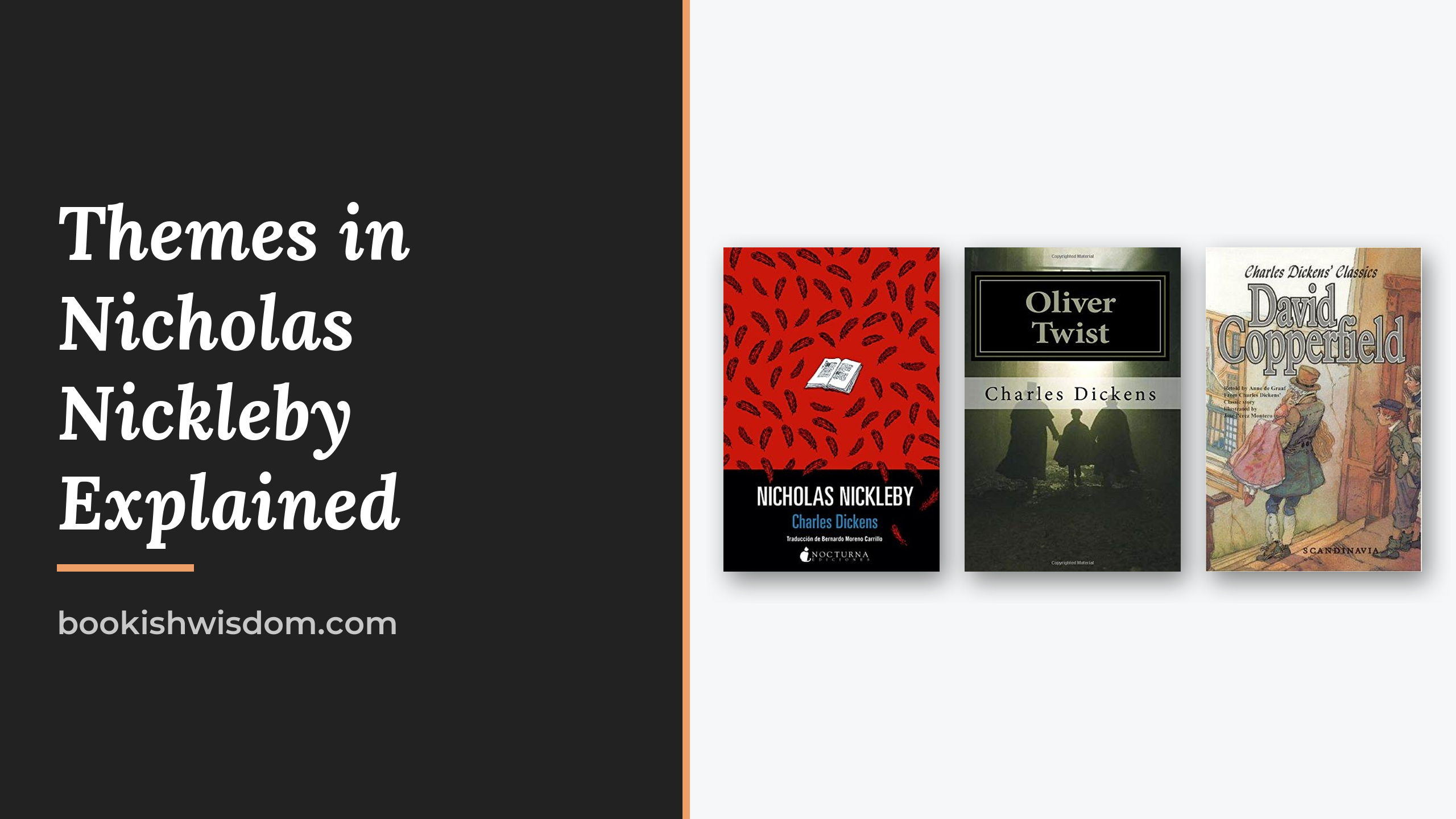
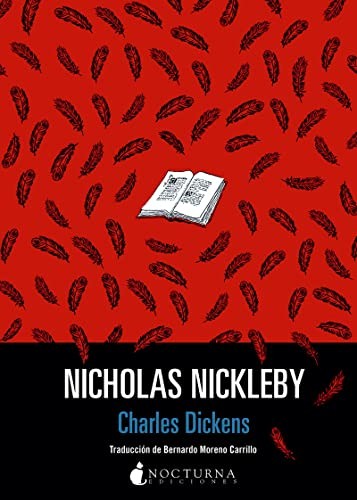
When his father dies leaving the family penniless, nineteen-year-old Nicholas Nickleby takes his mother and sister Kate to London to ask help from his rich, cold uncle Ralph. Ralph sends Nicholas to teach at Dotheboys Hall, a brutal Yorkshire school run by the cruel Wackford Squeers, where boys are starved and beaten. Nicholas thrashes Squeers and escapes with Smike, a mistreated young servant. He works with a traveling theater company and then for the kindly Cheeryble brothers, while protecting Kate from Ralph's dishonest associates. In the end Ralph's schemes collapse and a terrible secret about Smike is revealed.
Check price of Nicholas Nickleby on Amazon
The Main Themes in Nicholas Nickleby
1. Cruelty and abuse of children
Dotheboys Hall shows boys neglected, starved and beaten for profit. Dickens based it on real Yorkshire schools where unwanted children were sent, and his portrait helped shame several of them out of business. The scenes are comic and horrifying at the same time.
Question to consider: Where in Nicholas Nickleby does cruelty and abuse of children matter most to the characters, and what does Charles Dickens want readers to think about it?
2. Greed versus generosity
Ralph Nickleby lives only for money and despises kindness, while the Cheeryble brothers give freely and spread happiness. Dickens sets these opposites side by side so readers can see which way of life brings real wealth.
Question to consider: Where in Nicholas Nickleby does greed versus generosity matter most to the characters, and what does Charles Dickens want readers to think about it?
3. Family loyalty
Nicholas protects his mother and sister at every turn, even when it costs him work and safety. His loyalty contrasts with Ralph's coldness toward his own family, which leads to Ralph's downfall.
Question to consider: Where in Nicholas Nickleby does family loyalty matter most to the characters, and what does Charles Dickens want readers to think about it?
4. Courage and justice
Nicholas stands up to bullies, from Squeers to the predatory Sir Mulberry Hawk. Dickens celebrates the courage to defend the weak, even when it is reckless.
Question to consider: Where in Nicholas Nickleby does courage and justice matter most to the characters, and what does Charles Dickens want readers to think about it?
5. Friendship
Nicholas's bond with Smike gives the novel its heart. Smike, broken by years of abuse, finds safety and love with Nicholas, and his fate is one of the saddest in Dickens.
Question to consider: Where in Nicholas Nickleby does friendship matter most to the characters, and what does Charles Dickens want readers to think about it?
Symbols and Motifs
- Dotheboys Hall. The school stands for the cruelty society hides from view.
- Ralph's money. His wealth represents greed that leaves him empty and alone.
- The Crummles theater company. The traveling actors symbolize warmth, imagination and a found family.
- The Cheeryble brothers' office. Represents honest business and goodness.
How the Themes Connect
The themes connect through the clash between cruelty and kindness. Nicholas's courage, loyalty and friendship stand against Ralph's greed and Squeers's abuse, and the novel rewards goodness while punishing selfishness. Dickens wrote it in monthly parts when he was only twenty-six, and its mix of comedy, melodrama and social protest made it a huge success. The theater chapters, with Vincent Crummles and his family, are among the funniest Dickens ever wrote.
How to Write About the Themes of Nicholas Nickleby
If you are writing an essay or preparing for class, these steps help:
- Pick one theme. A focused argument is stronger than a list of everything.
- Find evidence in the text. Point to specific scenes, characters and choices rather than general impressions.
- Explain, don't just describe. After each example, say what it shows about the theme.
- Connect to the ending. Ask how the final chapters resolve or complicate the theme.
- Consider other readings. A fair essay acknowledges that readers can disagree.
Discussion Questions
- Which of the themes above feels most relevant to your own life, and why?
- Do the characters in Nicholas Nickleby handle cruelty and abuse of children well or badly?
- How does the title relate to the themes of the book?
- Would the story change if it were set in a different time or place?
- What does Charles Dickens leave unresolved, and why might that be?
Books With Similar Themes
-
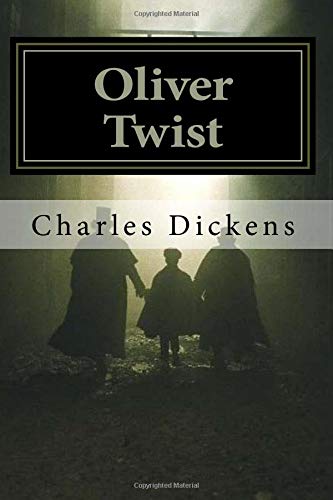
Oliver Twist by Charles Dickens
-
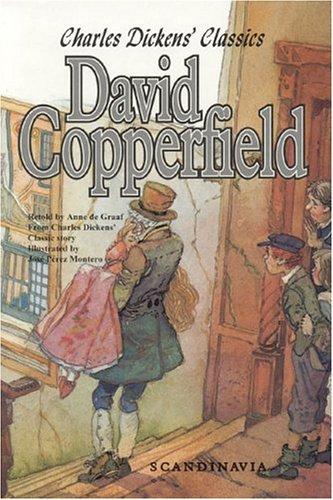
David Copperfield by Charles Dickens
Related: Nicholas Nickleby by Charles Dickens: Summary and Key Takeaways · Nicholas Nickleby Characters: A Complete Guide
Frequently Asked Questions
What is the main theme of Nicholas Nickleby?
The central theme is cruelty and abuse of children, supported by greed versus generosity and family loyalty.
How many themes does Nicholas Nickleby have?
This guide covers 5 main themes, but readers may find others.
Who wrote Nicholas Nickleby?
Nicholas Nickleby was written by Charles Dickens and first published in 1839.
Is Nicholas Nickleby a good book for studying themes?
Yes. Its themes are clear enough to follow and rich enough to support essays and group discussion.
What should I read after Nicholas Nickleby?
Try Oliver Twist by Charles Dickens or David Copperfield by Charles Dickens.