
Disclosure: As an Amazon Associate, Bookish Wisdom earns from qualifying purchases. This doesn't change our picks or your price.
Spoiler warning: this analysis discusses the whole book, including the ending of Old Yeller.
Quick answer: The main themes in Old Yeller by Fred Gipson are growing up and responsibility, loyalty and love, loss and grief, frontier hardship and courage. Each is explained below with what it means, how it develops in the story and questions you can use for study or discussion.
Quick facts
- Book: Old Yeller by Fred Gipson
- First published: 1956
- Main themes: growing up and responsibility, loyalty and love, loss and grief, frontier hardship and courage
Table of Contents
About Old Yeller
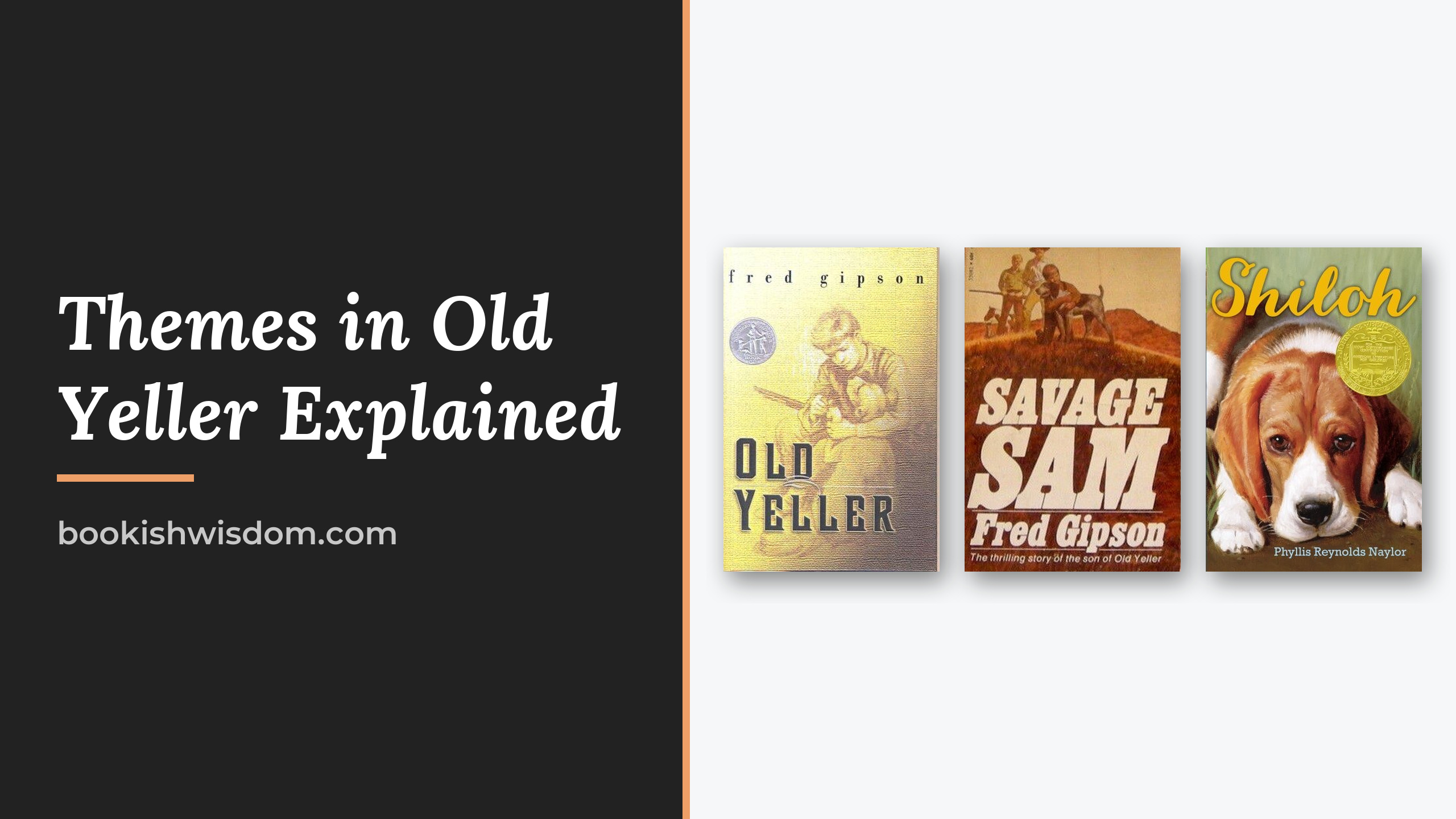
In the Texas hill country of the late 1860s, fourteen-year-old Travis Coates is left as the man of the family when his father leaves on a long cattle drive to Kansas. A big, ugly yellow stray dog turns up, steals a side of meat and annoys Travis, but his little brother Arliss adores him, and the family names him Old Yeller. Over the summer, the dog proves his worth again and again: he saves Arliss from a furious mother bear, rescues Travis from a herd of wild hogs and defends their mother and a neighbor girl from a wolf. When an outbreak of rabies sweeps the area, Old Yeller is bitten while fighting the wolf, and Travis must make the hardest decision of his life.
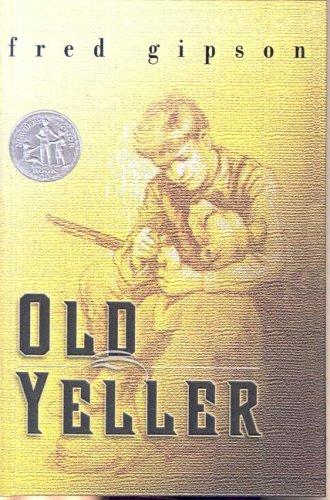
Check price of Old Yeller on Amazon
The Main Themes in Old Yeller
1. Growing up and responsibility
Travis must do a man's work, plowing, hunting and protecting his family. His painful final choice marks his passage from childhood to adulthood.
Question to consider: Where in Old Yeller does growing up and responsibility matter most to the characters, and what does Fred Gipson want readers to think about it?
2. Loyalty and love
Old Yeller is fiercely loyal and protects the family without hesitation. Travis's love for the dog grows from irritation to deep devotion.
Question to consider: Where in Old Yeller does loyalty and love matter most to the characters, and what does Fred Gipson want readers to think about it?
3. Loss and grief
The ending teaches Travis that life includes terrible losses. His father's advice afterward, to remember the good and not let grief spoil everything, helps him heal.
Question to consider: Where in Old Yeller does loss and grief matter most to the characters, and what does Fred Gipson want readers to think about it?
4. Frontier hardship
The Coates family faces hard work, dangerous animals and disease. Gipson shows the reality of frontier life without romance.
Question to consider: Where in Old Yeller does frontier hardship matter most to the characters, and what does Fred Gipson want readers to think about it?
5. Courage
Travis and Old Yeller both act bravely, facing danger to protect others.
Question to consider: Where in Old Yeller does courage matter most to the characters, and what does Fred Gipson want readers to think about it?
Symbols and Motifs
- Old Yeller. The dog represents loyalty, courage and the bond between people and animals.
- The rabid wolf. The wolf represents the sudden dangers of frontier life.
- The gun. Travis's rifle represents adult responsibility and the burden of hard choices.
- The puppy. Old Yeller's pup at the end represents renewal and hope.
How the Themes Connect
The themes connect through Travis's growth. Loyalty and love make the final loss unbearable, and courage and responsibility help him face it. Old Yeller won a Newbery Honor in 1957 and was turned into a hugely popular Disney film the same year. Gipson based the story on tales his grandfather told about a real dog. The ending is famous for making readers cry, and the phrase 'Old Yeller moment' has become shorthand for a heartbreaking scene. Its sequel, Savage Sam, follows Old Yeller's son. Teachers use it to discuss responsibility, frontier history and how authors build emotional endings.
How to Write About the Themes of Old Yeller
If you are writing an essay or preparing for class, these steps help:
- Pick one theme. A focused argument is stronger than a list of everything.
- Find evidence in the text. Point to specific scenes, characters and choices rather than general impressions.
- Explain, don't just describe. After each example, say what it shows about the theme.
- Connect to the ending. Ask how the final chapters resolve or complicate the theme.
- Consider other readings. A fair essay acknowledges that readers can disagree.
Discussion Questions
- Which of the themes above feels most relevant to your own life, and why?
- Do the characters in Old Yeller handle growing up and responsibility well or badly?
- How does the title relate to the themes of the book?
- Would the story change if it were set in a different time or place?
- What does Fred Gipson leave unresolved, and why might that be?
Books With Similar Themes
-
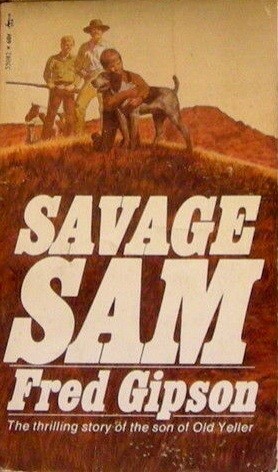
Savage Sam by Fred Gipson
-
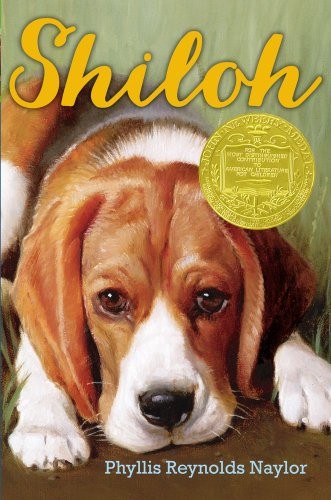
Shiloh by Phyllis Reynolds Naylor
Related: Old Yeller by Fred Gipson: Summary and Key Takeaways · Old Yeller Ending Explained
Frequently Asked Questions
What is the main theme of Old Yeller?
The central theme is growing up and responsibility, supported by loyalty and love and loss and grief.
How many themes does Old Yeller have?
This guide covers 5 main themes, but readers may find others.
Who wrote Old Yeller?
Old Yeller was written by Fred Gipson and first published in 1956.
Is Old Yeller a good book for studying themes?
Yes. Its themes are clear enough to follow and rich enough to support essays and group discussion.
What should I read after Old Yeller?
Try Savage Sam by Fred Gipson or Shiloh by Phyllis Reynolds Naylor.