
Disclosure: As an Amazon Associate, Bookish Wisdom earns from qualifying purchases. This doesn't change our picks or your price.
Spoiler warning: this analysis discusses the whole book, including the ending of One Hundred Years of Solitude.
Quick answer: The main themes in One Hundred Years of Solitude by Gabriel Garcia Marquez are solitude, time and repetition, magic realism, history and politics and love and desire. Each is explained below with what it means, how it develops in the story and questions you can use for study or discussion.
Quick facts
- Book: One Hundred Years of Solitude by Gabriel Garcia Marquez
- First published: 1967
- Main themes: solitude, time and repetition, magic realism, history and politics and love and desire
Table of Contents
About One Hundred Years of Solitude
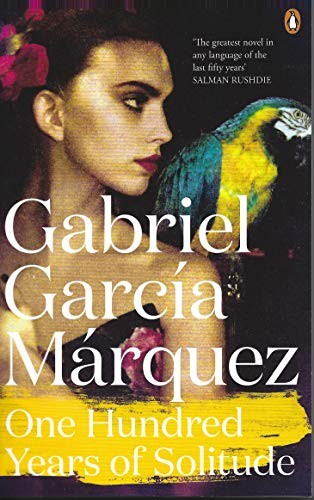
The novel tells the story of seven generations of the Buendia family in the fictional town of Macondo, founded in a Colombian swamp by Jose Arcadio Buendia and his wife Ursula. Over a century, the family experiences wars, love affairs, inventions, a banana company massacre and strange magical events: rains that last years, a plague of insomnia and a woman who rises into the sky. Names and patterns repeat across generations, until the family's fate, foretold in an old manuscript left by the wanderer Melquiades, is revealed.
Check price of One Hundred Years of Solitude on Amazon
The Main Themes in One Hundred Years of Solitude
1. Solitude
Almost every Buendia is trapped in loneliness. Garcia Marquez shows how solitude passes down through families and how people fail to truly connect.
Question to consider: Where in One Hundred Years of Solitude does solitude matter most to the characters, and what does Gabriel Garcia Marquez want readers to think about it?
2. Time and repetition
Names, mistakes and passions repeat across generations. The novel suggests history moves in cycles rather than straight lines.
Question to consider: Where in One Hundred Years of Solitude does time and repetition matter most to the characters, and what does Gabriel Garcia Marquez want readers to think about it?
3. Magic realism
Magical events are told as normal. The style blurs the line between reality and fantasy, reflecting Latin American history and storytelling.
Question to consider: Where in One Hundred Years of Solitude does magic realism matter most to the characters, and what does Gabriel Garcia Marquez want readers to think about it?
4. History and politics
The novel echoes Colombia's civil wars and the banana massacre. It shows how history is forgotten or erased.
Question to consider: Where in One Hundred Years of Solitude does history and politics matter most to the characters, and what does Gabriel Garcia Marquez want readers to think about it?
5. Love and desire
Love takes many forms, often obsessive or forbidden.
Question to consider: Where in One Hundred Years of Solitude does love and desire matter most to the characters, and what does Gabriel Garcia Marquez want readers to think about it?
Symbols and Motifs
- Macondo. The town represents Latin America and its history.
- Melquiades's manuscript. It symbolises fate and prophecy.
- The yellow butterflies. They stand for love.
- The pig's tail. It represents the family's curse.
How the Themes Connect
Solitude is the novel's central theme, and time and repetition show how it passes through generations. Magic realism gives the story its unique style, history and politics connect it to real events and love and desire drive many of the characters. The novel's final pages, when the manuscript is decoded, reveal that the Buendias were doomed by their own repetition.
How to Write About the Themes of One Hundred Years of Solitude
If you are writing an essay or preparing for class, these steps help:
- Pick one theme. A focused argument is stronger than a list of everything.
- Find evidence in the text. Point to specific scenes, characters and choices rather than general impressions.
- Explain, don't just describe. After each example, say what it shows about the theme.
- Connect to the ending. Ask how the final chapters resolve or complicate the theme.
- Consider other readings. A fair essay acknowledges that readers can disagree.
Discussion Questions
- Which of the themes above feels most relevant to your own life, and why?
- Do the characters in One Hundred Years of Solitude handle solitude well or badly?
- How does the title relate to the themes of the book?
- Would the story change if it were set in a different time or place?
- What does Gabriel Garcia Marquez leave unresolved, and why might that be?
Books With Similar Themes
- Love in the Time of Cholera by Gabriel Garcia Marquez
- Like Water for Chocolate by Laura Esquivel
Related: One Hundred Years of Solitude by Gabriel Garcia Marquez: Summary and Key Takeaways · One Hundred Years of Solitude Ending Explained
Frequently Asked Questions
What is the main theme of One Hundred Years of Solitude?
The central theme is solitude, supported by time and repetition and magic realism.
How many themes does One Hundred Years of Solitude have?
This guide covers 5 main themes, but readers may find others.
Who wrote One Hundred Years of Solitude?
One Hundred Years of Solitude was written by Gabriel Garcia Marquez and first published in 1967.
Is One Hundred Years of Solitude a good book for studying themes?
Yes. Its themes are clear enough to follow and rich enough to support essays and group discussion.
What should I read after One Hundred Years of Solitude?
Try Love in the Time of Cholera by Gabriel Garcia Marquez or Like Water for Chocolate by Laura Esquivel.