
Disclosure: As an Amazon Associate, Bookish Wisdom earns from qualifying purchases. This doesn't change our picks or your price.
Spoiler warning: this analysis discusses the whole book, including the ending of Pippi Longstocking.
Quick answer: The main themes in Pippi Longstocking by Astrid Lindgren are freedom and independence, challenging authority, imagination and play, kindness and generosity and loneliness beneath the fun. Each is explained below with what it means, how it develops in the story and questions you can use for study or discussion.
Quick facts
- Book: Pippi Longstocking by Astrid Lindgren
- First published: 1945
- Main themes: freedom and independence, challenging authority, imagination and play, kindness and generosity and loneliness beneath the fun
Table of Contents
About Pippi Longstocking
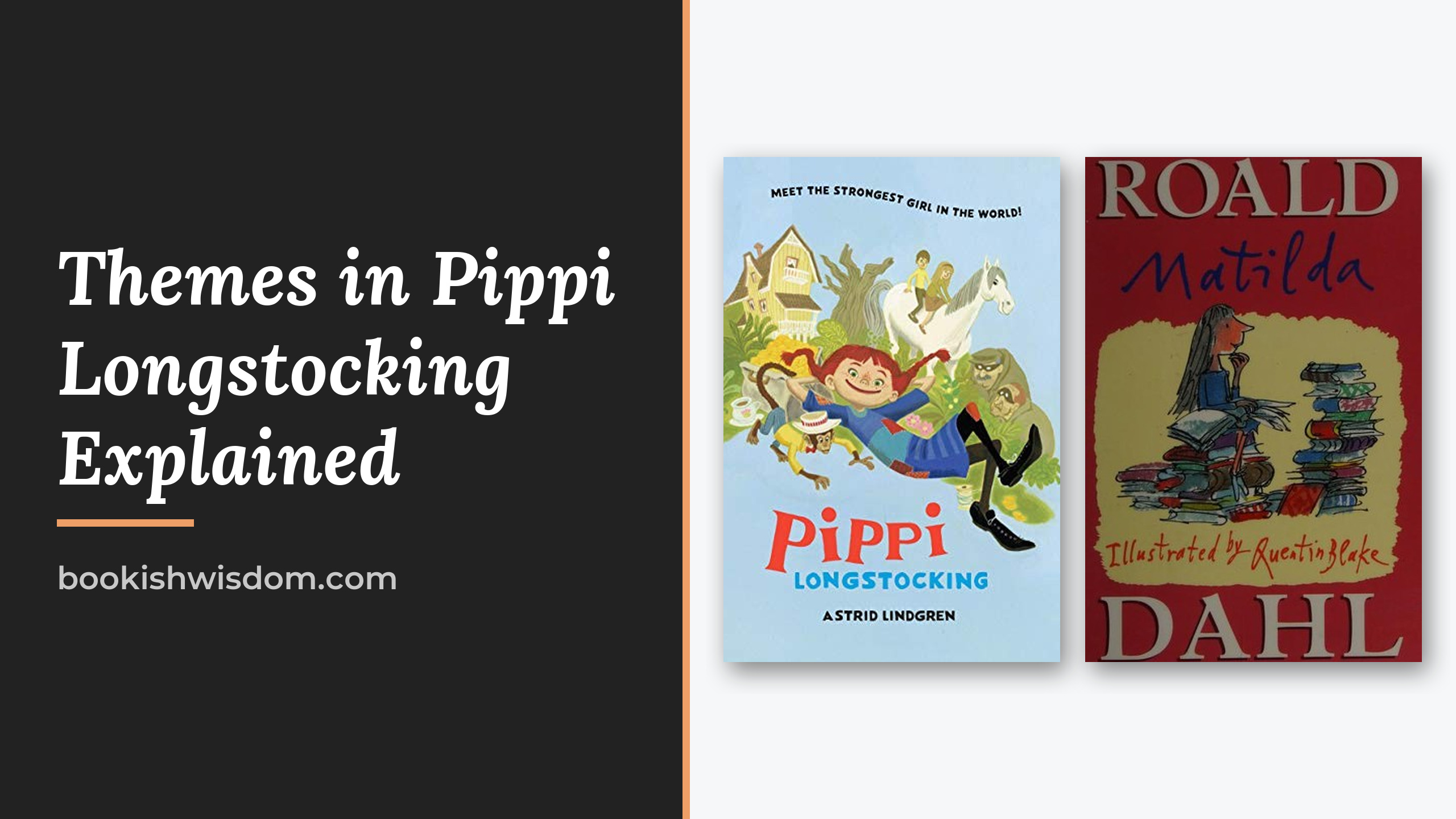
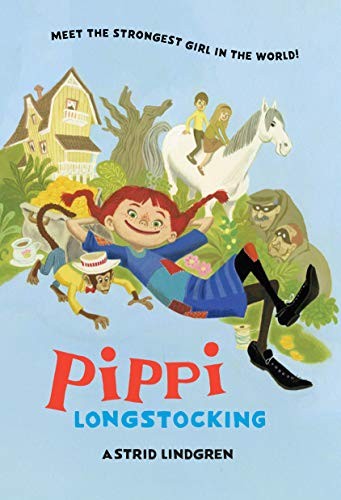
Pippi Longstocking, a nine-year-old girl with red braids that stick straight out, mismatched stockings and enormous shoes, moves into Villa Villekulla, a ramshackle house at the edge of a small Swedish town. She lives completely alone except for her horse and her monkey, Mr. Nilsson, because her mother has died and her father, a sea captain, has been swept overboard and, she believes, become king of a South Sea island. Pippi is the strongest girl in the world, can lift her horse with one hand, has a suitcase full of gold coins and does exactly as she likes. Her neighbors, the well-behaved Tommy and Annika, join her adventures as she outwits police officers, burglars and a strict schoolteacher.
Check price of Pippi Longstocking on Amazon
The Main Themes in Pippi Longstocking
1. Freedom and independence
Pippi lives without parents or rules, sleeping with her feet on the pillow and baking cookies on the floor. Lindgren created a child who answers to no one, a dream of freedom that delights young readers and still surprises adults.
Question to consider: Where in Pippi Longstocking does freedom and independence matter most to the characters, and what does Astrid Lindgren want readers to think about it?
2. Challenging authority
Pippi defies police officers, teachers and fussy adults, not out of malice but because their rules make no sense to her. The book gently mocks adults who value order over kindness.
Question to consider: Where in Pippi Longstocking does challenging authority matter most to the characters, and what does Astrid Lindgren want readers to think about it?
3. Imagination and play
Pippi tells outrageous tall tales about her travels and turns ordinary days into adventures. Lindgren celebrates imagination as a source of joy.
Question to consider: Where in Pippi Longstocking does imagination and play matter most to the characters, and what does Astrid Lindgren want readers to think about it?
4. Kindness and generosity
Despite her wildness, Pippi is generous, giving gifts and protecting weaker children from bullies. Her strength is always used for good.
Question to consider: Where in Pippi Longstocking does kindness and generosity matter most to the characters, and what does Astrid Lindgren want readers to think about it?
5. Loneliness beneath the fun
Pippi has no parents nearby, and occasional quiet moments hint at her loneliness. Readers notice how she longs for her father.
Question to consider: Where in Pippi Longstocking does loneliness beneath the fun matter most to the characters, and what does Astrid Lindgren want readers to think about it?
Symbols and Motifs
- The red braids. Pippi's wild hair represents her unconventional spirit.
- Villa Villekulla. The tumbledown house stands for a world without adult rules.
- The suitcase of gold. Represents independence and Pippi's generosity.
- The horse on the porch. Pippi's horse living on the veranda symbolizes her topsy-turvy way of life.
How the Themes Connect
The themes connect through Pippi's joyful freedom. Her independence and challenges to authority are balanced by kindness and a hint of loneliness. Lindgren invented Pippi in 1941 as bedtime stories for her daughter Karin, who was ill and asked for a story about 'Pippi Longstocking', a name Karin made up. The book was rejected by one publisher before winning a competition and becoming a classic, translated into over seventy languages. Some readers found Pippi shocking in 1945, but she became a symbol of girl power and independence. Modern editions have revised some outdated language about Pippi's father's island.
How to Write About the Themes of Pippi Longstocking
If you are writing an essay or preparing for class, these steps help:
- Pick one theme. A focused argument is stronger than a list of everything.
- Find evidence in the text. Point to specific scenes, characters and choices rather than general impressions.
- Explain, don't just describe. After each example, say what it shows about the theme.
- Connect to the ending. Ask how the final chapters resolve or complicate the theme.
- Consider other readings. A fair essay acknowledges that readers can disagree.
Discussion Questions
- Which of the themes above feels most relevant to your own life, and why?
- Do the characters in Pippi Longstocking handle freedom and independence well or badly?
- How does the title relate to the themes of the book?
- Would the story change if it were set in a different time or place?
- What does Astrid Lindgren leave unresolved, and why might that be?
Books With Similar Themes
- Pippi Goes on Board by Astrid Lindgren
-
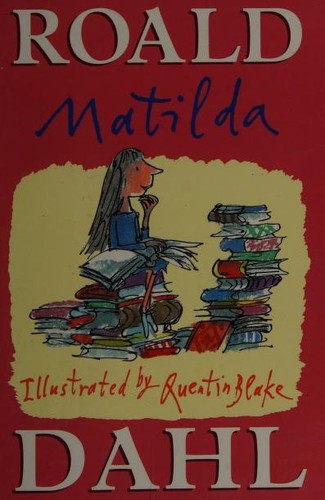
Matilda by Roald Dahl
Related: Pippi Longstocking by Astrid Lindgren: Summary and Key Takeaways · Pippi Longstocking Characters: A Complete Guide
Frequently Asked Questions
What is the main theme of Pippi Longstocking?
The central theme is freedom and independence, supported by challenging authority and imagination and play.
How many themes does Pippi Longstocking have?
This guide covers 5 main themes, but readers may find others.
Who wrote Pippi Longstocking?
Pippi Longstocking was written by Astrid Lindgren and first published in 1945.
Is Pippi Longstocking a good book for studying themes?
Yes. Its themes are clear enough to follow and rich enough to support essays and group discussion.
What should I read after Pippi Longstocking?
Try Pippi Goes on Board by Astrid Lindgren or Matilda by Roald Dahl.