
Disclosure: As an Amazon Associate, Bookish Wisdom earns from qualifying purchases. This doesn't change our picks or your price.
Spoiler warning: this analysis discusses the whole book, including the ending of Stig of the Dump.
Quick answer: The main themes in Stig of the Dump by Clive King are friendship across differences, imagination versus reality, resourcefulness and recycling, the past and the present and childhood freedom. Each is explained below with what it means, how it develops in the story and questions you can use for study or discussion.
Quick facts
- Book: Stig of the Dump by Clive King
- First published: 1963
- Main themes: friendship across differences, imagination versus reality, resourcefulness and recycling, the past and the present and childhood freedom
Table of Contents
About Stig of the Dump
Barney, an eight-year-old boy staying with his grandmother in the English countryside, is warned not to go near the old chalk pit. One day he leans over the edge, falls through and lands in a den at the bottom of the pit. There he meets Stig, a boy who seems to be from the Stone Age, wearing rabbit skins and living in a cave built from rubbish people have dumped. They cannot speak each other's language, but they become friends and share adventures, using junk to improve Stig's den, scaring off bullies and rescuing a leopard from a circus. On Midsummer Eve, Barney and his sister Lou travel back to Stig's own time to watch the ancient people raise the standing stones.
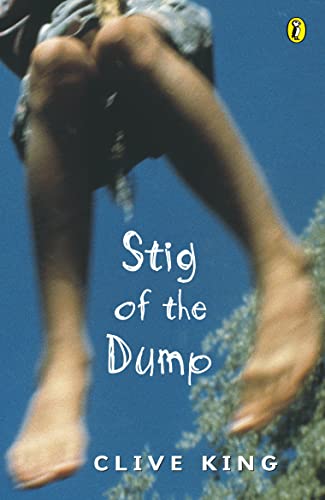
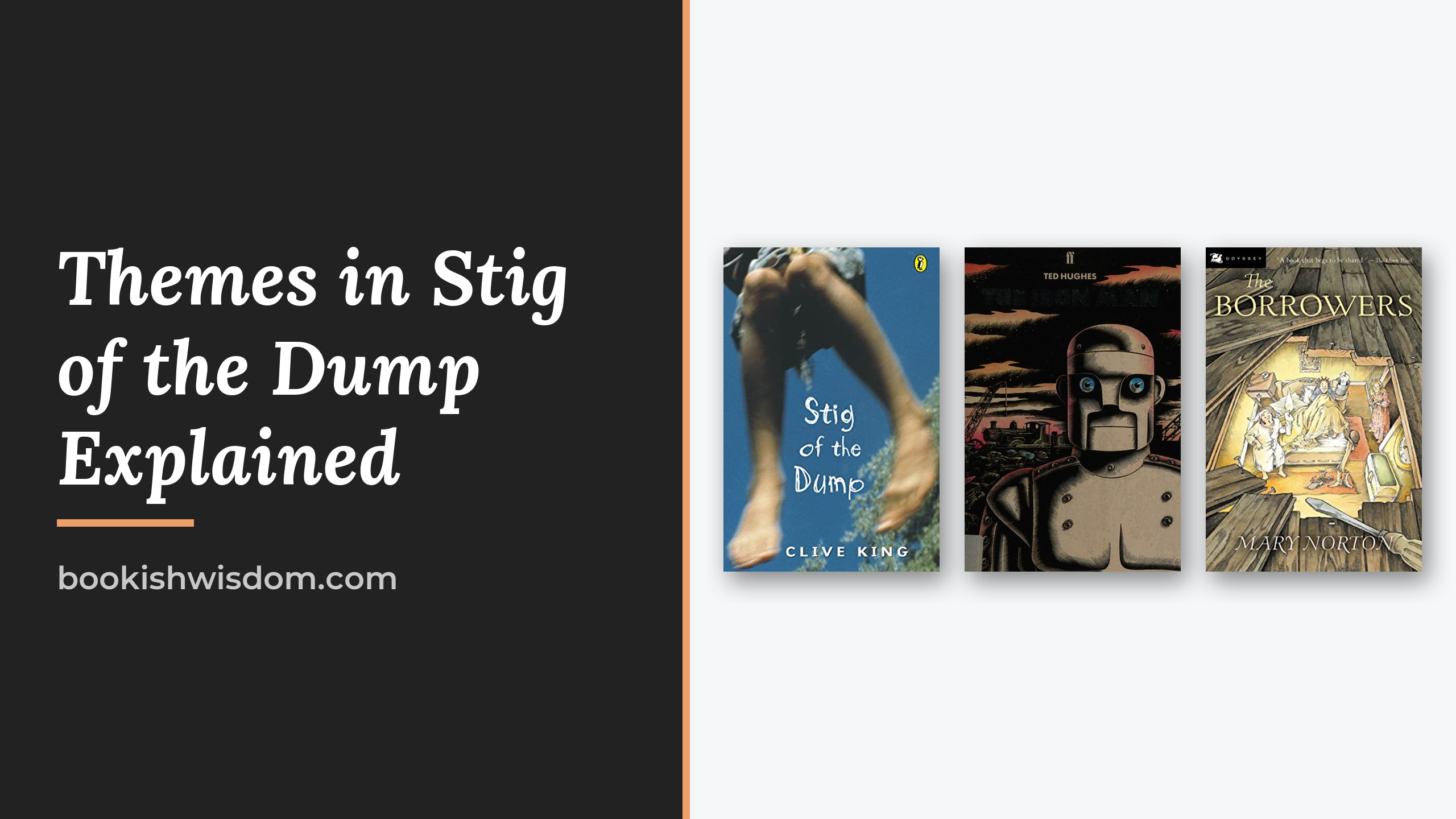
Check price of Stig of the Dump on Amazon
The Main Themes in Stig of the Dump
1. Friendship across differences
Barney and Stig cannot share words, yet they understand each other through gestures and shared work. Their friendship shows that kindness needs no common language.
Question to consider: Where in Stig of the Dump does friendship across differences matter most to the characters, and what does Clive King want readers to think about it?
2. Imagination versus reality
Adults think Stig is Barney's imaginary friend. The book leaves readers to decide whether Stig is real or a product of Barney's imagination.
Question to consider: Where in Stig of the Dump does imagination versus reality matter most to the characters, and what does Clive King want readers to think about it?
3. Resourcefulness and recycling
Stig turns other people's rubbish into useful tools and furniture. King celebrates creativity and reuse long before recycling was popular.
Question to consider: Where in Stig of the Dump does resourcefulness and recycling matter most to the characters, and what does Clive King want readers to think about it?
4. The past and the present
Stig's prehistoric life meets the modern world, and the Midsummer journey to the Stone Age connects history with the present.
Question to consider: Where in Stig of the Dump does the past and the present matter most to the characters, and what does Clive King want readers to think about it?
5. Childhood freedom
Barney explores alone in the countryside, enjoying freedom many modern children rarely have.
Question to consider: Where in Stig of the Dump does childhood freedom matter most to the characters, and what does Clive King want readers to think about it?
Symbols and Motifs
- The chalk pit. The dump represents a hidden world of adventure and the waste of modern society.
- Stig's den. Stig's home made of tin cans, jars and old bikes represents creativity.
- The standing stones. The stones raised on Midsummer Eve represent the ancient past.
- The flint. Stig's flint tools represent ingenuity and history.
How the Themes Connect
The themes connect through Barney's friendship with a Stone Age boy. Their adventures blend imagination, history and creativity, and leave readers wondering whether Stig is real. Stig of the Dump was first published as a Puffin original in 1963 and has never gone out of print. King based the chalk pit on a real one near his childhood home in Kent. It has been adapted for television twice, in 1981 and 2002.
How to Write About the Themes of Stig of the Dump
If you are writing an essay or preparing for class, these steps help:
- Pick one theme. A focused argument is stronger than a list of everything.
- Find evidence in the text. Point to specific scenes, characters and choices rather than general impressions.
- Explain, don't just describe. After each example, say what it shows about the theme.
- Connect to the ending. Ask how the final chapters resolve or complicate the theme.
- Consider other readings. A fair essay acknowledges that readers can disagree.
Discussion Questions
- Which of the themes above feels most relevant to your own life, and why?
- Do the characters in Stig of the Dump handle friendship across differences well or badly?
- How does the title relate to the themes of the book?
- Would the story change if it were set in a different time or place?
- What does Clive King leave unresolved, and why might that be?
Books With Similar Themes
-
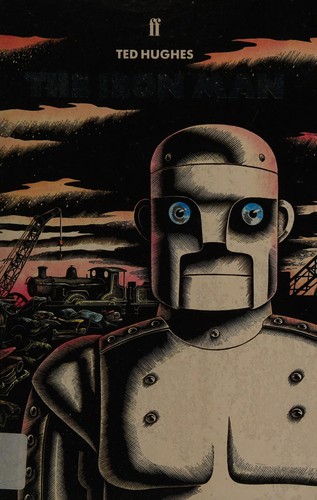
The Iron Man by Ted Hughes
-
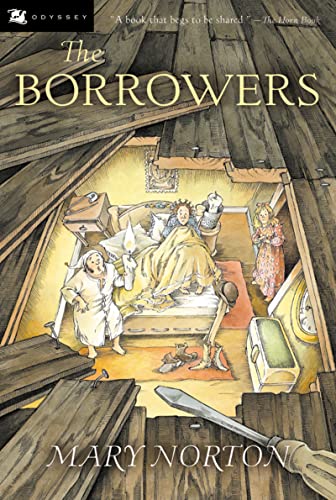
The Borrowers by Mary Norton
Related: Stig of the Dump Characters: A Complete Guide · What Age Is Stig of the Dump Appropriate For? A Parent’s Guide
Frequently Asked Questions
What is the main theme of Stig of the Dump?
The central theme is friendship across differences, supported by imagination versus reality and resourcefulness and recycling.
How many themes does Stig of the Dump have?
This guide covers 5 main themes, but readers may find others.
Who wrote Stig of the Dump?
Stig of the Dump was written by Clive King and first published in 1963.
Is Stig of the Dump a good book for studying themes?
Yes. Its themes are clear enough to follow and rich enough to support essays and group discussion.
What should I read after Stig of the Dump?
Try The Iron Man by Ted Hughes or The Borrowers by Mary Norton.