
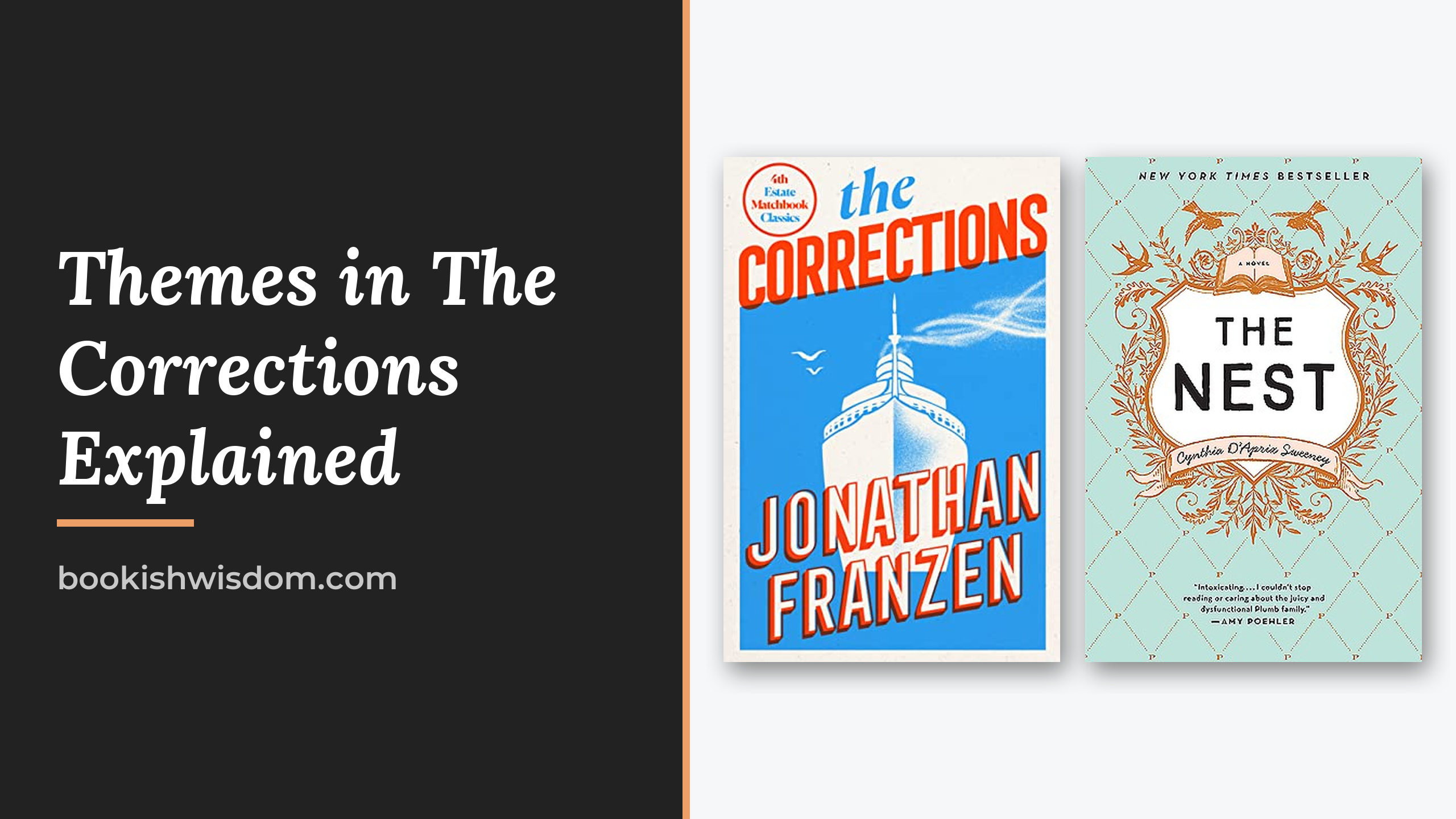
Disclosure: As an Amazon Associate, Bookish Wisdom earns from qualifying purchases. This doesn't change our picks or your price.
Spoiler warning: this analysis discusses the whole book, including the ending of The Corrections.
Quick answer: The main themes in The Corrections by Jonathan Franzen are family, aging and illness, correction and change, depression and American consumerism. Each is explained below with what it means, how it develops in the story and questions you can use for study or discussion.
Quick facts
- Book: The Corrections by Jonathan Franzen
- First published: 2001
- Main themes: family, aging and illness, correction and change, depression and American consumerism
Table of Contents
About The Corrections
Enid Lambert, an elderly Midwestern mother, wants one last Christmas with her family at the old house in St. Jude. Her husband, Alfred, a retired railroad engineer, is declining with Parkinson's disease and dementia. Their three adult children have scattered: Gary, a depressed banker in Philadelphia; Chip, a failed academic who becomes involved in a Lithuanian internet scam; and Denise, a successful chef in a messy love life. As the family struggles toward Christmas, their failures and secrets come out.
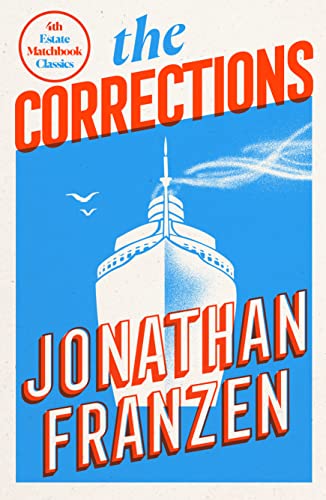
Check price of The Corrections on Amazon
The Main Themes in The Corrections
1. Family
The Lamberts love and frustrate each other. Franzen shows how families shape and wound their members. Enid's longing for a perfect Christmas collides with her children's reluctance to come home.
Question to consider: Where in The Corrections does family matter most to the characters, and what does Jonathan Franzen want readers to think about it?
2. Aging and illness
Alfred's decline is painful and realistic. The novel explores caring for aging parents. Franzen describes Alfred's confusion from the inside, including frightening hallucinations, which makes the illness vivid.
Question to consider: Where in The Corrections does aging and illness matter most to the characters, and what does Jonathan Franzen want readers to think about it?
3. Correction and change
Each character tries to correct their life. The title also refers to stock market corrections. Each child believes they can escape the parents' mistakes, yet each repeats them in new ways.
Question to consider: Where in The Corrections does correction and change matter most to the characters, and what does Jonathan Franzen want readers to think about it?
4. Depression
Gary fights depression and denial. Franzen explores mental health with humor and honesty. His wife, Caroline, uses his depression as a weapon in their arguments about visiting St. Jude.
Question to consider: Where in The Corrections does depression matter most to the characters, and what does Jonathan Franzen want readers to think about it?
5. American consumerism
Pharmaceuticals, cruises and finance reflect a culture of quick fixes. Chip's internet scheme in Lithuania satirizes the get-rich-quick spirit of the late 1990s.
Question to consider: Where in The Corrections does American consumerism matter most to the characters, and what does Jonathan Franzen want readers to think about it?
Symbols and Motifs
- The drug Corecktall. Represents the fantasy of easy correction. The pill promises to fix personality and memory, a satire of the hope for chemical cures.
- St. Jude. The Lamberts' hometown symbolizes lost hopes. The town's name, after the patron of lost causes, hints at the family's struggles.
- The cruise. Enid and Alfred's cruise represents escape. Alfred's fall overboard during the voyage marks the moment his decline can no longer be hidden.
- Christmas. Represents family reunion and expectations. Enid's dream of one last family holiday drives the whole plot.
How the Themes Connect
The themes connect through the Lamberts' attempts to correct their lives. Family, aging and depression shape their choices. The Corrections won the National Book Award and made Franzen famous, partly through a public dispute over Oprah's Book Club. Readers often find it funny and painful at once. The final chapters bring the family together in St. Jude, where the long-delayed reckoning finally comes.
How to Write About the Themes of The Corrections
If you are writing an essay or preparing for class, these steps help:
- Pick one theme. A focused argument is stronger than a list of everything.
- Find evidence in the text. Point to specific scenes, characters and choices rather than general impressions.
- Explain, don't just describe. After each example, say what it shows about the theme.
- Connect to the ending. Ask how the final chapters resolve or complicate the theme.
- Consider other readings. A fair essay acknowledges that readers can disagree.
Discussion Questions
- Which of the themes above feels most relevant to your own life, and why?
- Do the characters in The Corrections handle family well or badly?
- How does the title relate to the themes of the book?
- Would the story change if it were set in a different time or place?
- What does Jonathan Franzen leave unresolved, and why might that be?
Books With Similar Themes
Related: The Corrections by Jonathan Franzen: Summary and Key Takeaways · The Corrections Characters: A Complete Guide
Frequently Asked Questions
What is the main theme of The Corrections?
The central theme is family, supported by aging and illness and correction and change.
How many themes does The Corrections have?
This guide covers 5 main themes, but readers may find others.
Who wrote The Corrections?
The Corrections was written by Jonathan Franzen and first published in 2001.
Is The Corrections a good book for studying themes?
Yes. Its themes are clear enough to follow and rich enough to support essays and group discussion.
What should I read after The Corrections?
Try Freedom by Jonathan Franzen or The Nest by Cynthia D'Aprix Sweeney.