
Disclosure: As an Amazon Associate, Bookish Wisdom earns from qualifying purchases. This doesn't change our picks or your price.
Spoiler warning: this analysis discusses the whole book, including the ending of The House of the Spirits.
Quick answer: The main themes in The House of the Spirits by Isabel Allende are family and memory, political violence, class, women's strength and magic and reality. Each is explained below with what it means, how it develops in the story and questions you can use for study or discussion.
Quick facts
- Book: The House of the Spirits by Isabel Allende
- First published: 1982
- Main themes: family and memory, political violence, class, women's strength and magic and reality
Table of Contents
About The House of the Spirits
The novel follows four generations of the Trueba family in an unnamed Latin American country resembling Chile. Clara del Valle, a clairvoyant girl who can move objects with her mind, marries Esteban Trueba, a hot-tempered landowner who rebuilds a ruined estate, Tres Marias. Their daughter Blanca falls in love with Pedro Tercero Garcia, a peasant's son and revolutionary singer. Their granddaughter Alba is caught up in a military coup that brings violence and torture.
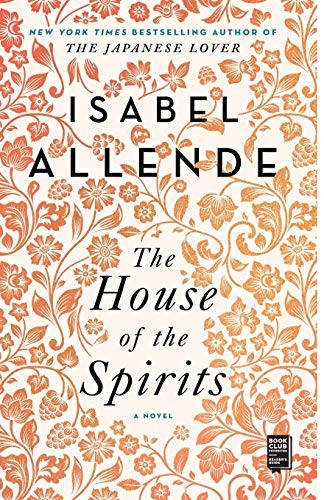
Check price of The House of the Spirits on Amazon
The Main Themes in The House of the Spirits
1. Family and memory
Clara's notebooks preserve family history. Memory keeps the past alive. Clara writes everything down, and decades later Alba uses those notebooks to reconstruct the family story.
Question to consider: Where in The House of the Spirits does family and memory matter most to the characters, and what does Isabel Allende want readers to think about it?
2. Political violence
The coup brings brutal repression. Allende draws on Chile's 1973 coup. Alba is arrested and tortured after the coup, and the novel does not look away from the violence.
Question to consider: Where in The House of the Spirits does political violence matter most to the characters, and what does Isabel Allende want readers to think about it?
3. Class
Esteban's landowner power contrasts with the peasants' struggle. Esteban treats the workers at Tres Marias as property, and his cruelty returns to haunt the family through his illegitimate grandson.
Question to consider: Where in The House of the Spirits does class matter most to the characters, and what does Isabel Allende want readers to think about it?
4. Women's strength
The women of the family endure and resist. Clara, Blanca and Alba resist Esteban's control in different ways, from silence to love to political action.
Question to consider: Where in The House of the Spirits does women's strength matter most to the characters, and what does Isabel Allende want readers to think about it?
5. Magic and reality
Clara's powers blend with real history. Allende presents Clara's visions and the ghosts in the house as calmly as the politics.
Question to consider: Where in The House of the Spirits does magic and reality matter most to the characters, and what does Isabel Allende want readers to think about it?
Symbols and Motifs
- Clara's notebooks. Represent memory.
- Tres Marias. Represents power.
- Barrabas the dog. Represents the family's wild past.
- The big house on the corner. Represents family history.
How the Themes Connect
The themes connect through four generations. Allende, the niece of Chilean president Salvador Allende, wrote the novel as a letter to her dying grandfather. It was her first novel and was filmed in 1993.
How to Write About the Themes of The House of the Spirits
If you are writing an essay or preparing for class, these steps help:
- Pick one theme. A focused argument is stronger than a list of everything.
- Find evidence in the text. Point to specific scenes, characters and choices rather than general impressions.
- Explain, don't just describe. After each example, say what it shows about the theme.
- Connect to the ending. Ask how the final chapters resolve or complicate the theme.
- Consider other readings. A fair essay acknowledges that readers can disagree.
Discussion Questions
- Which of the themes above feels most relevant to your own life, and why?
- Do the characters in The House of the Spirits handle family and memory well or badly?
- How does the title relate to the themes of the book?
- Would the story change if it were set in a different time or place?
- What does Isabel Allende leave unresolved, and why might that be?
Books With Similar Themes
-
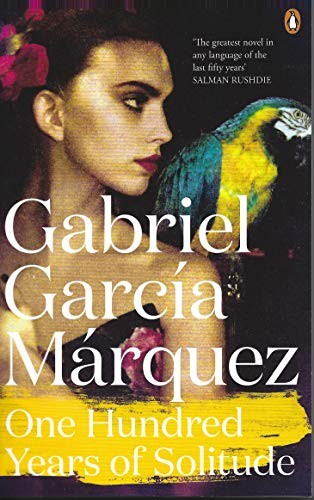
One Hundred Years of Solitude by Gabriel Garcia Marquez
- Eva Luna by Isabel Allende
Related: 15 Books Like The House of the Spirits You’ll Love · One Hundred Years of Solitude by Gabriel Garcia Marquez: Summary and Key Takeaways
Frequently Asked Questions
What is the main theme of The House of the Spirits?
The central theme is family and memory, supported by political violence and class.
How many themes does The House of the Spirits have?
This guide covers 5 main themes, but readers may find others.
Who wrote The House of the Spirits?
The House of the Spirits was written by Isabel Allende and first published in 1982.
Is The House of the Spirits a good book for studying themes?
Yes. Its themes are clear enough to follow and rich enough to support essays and group discussion.
What should I read after The House of the Spirits?
Try One Hundred Years of Solitude by Gabriel Garcia Marquez or Eva Luna by Isabel Allende.